
Last updated November 4, 2026
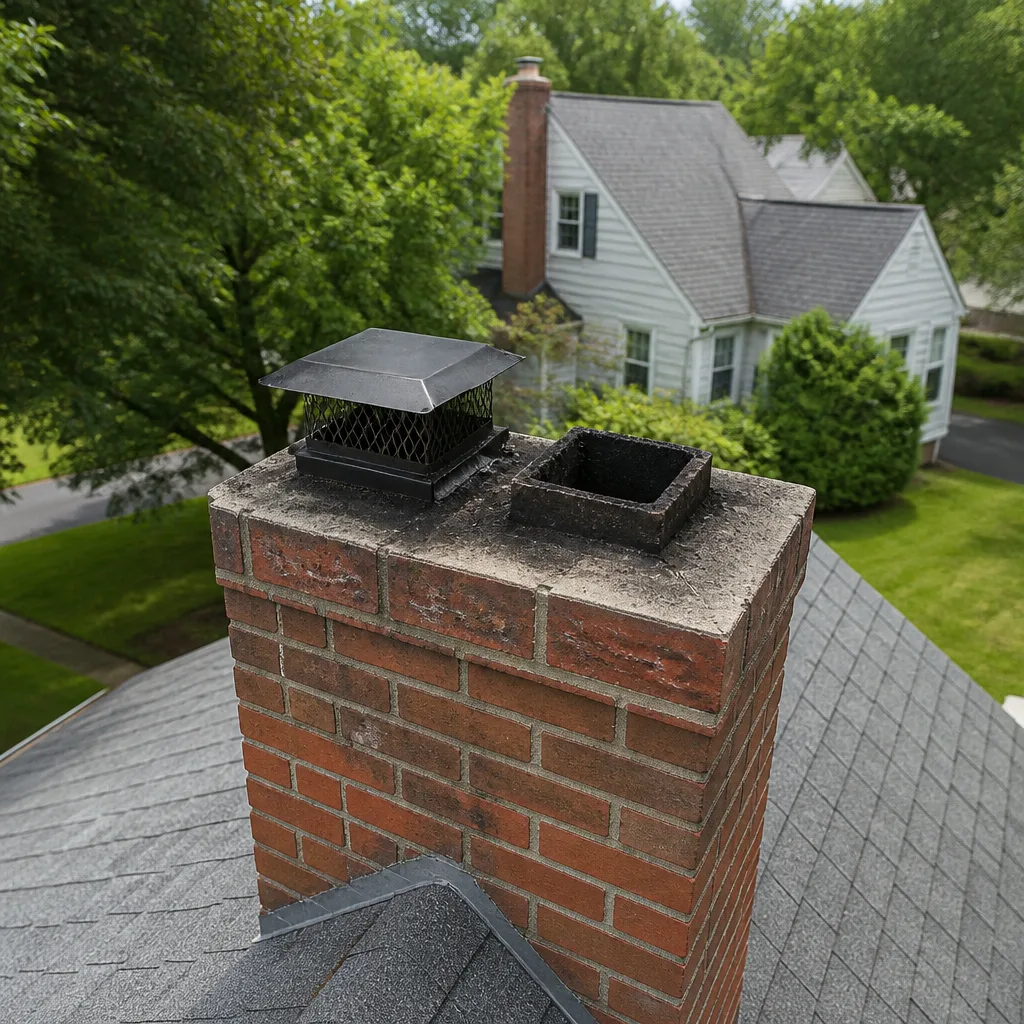 Sweep & inspection
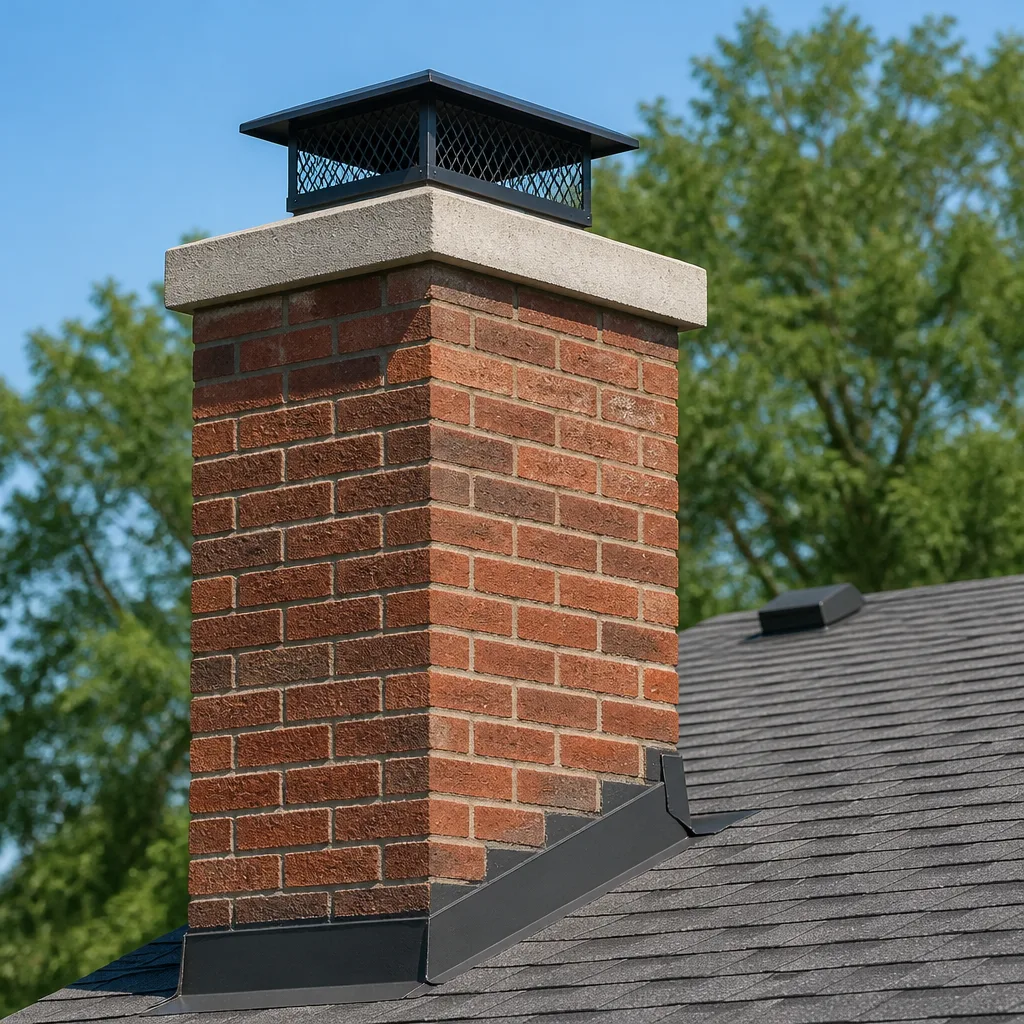 Caps & crowns
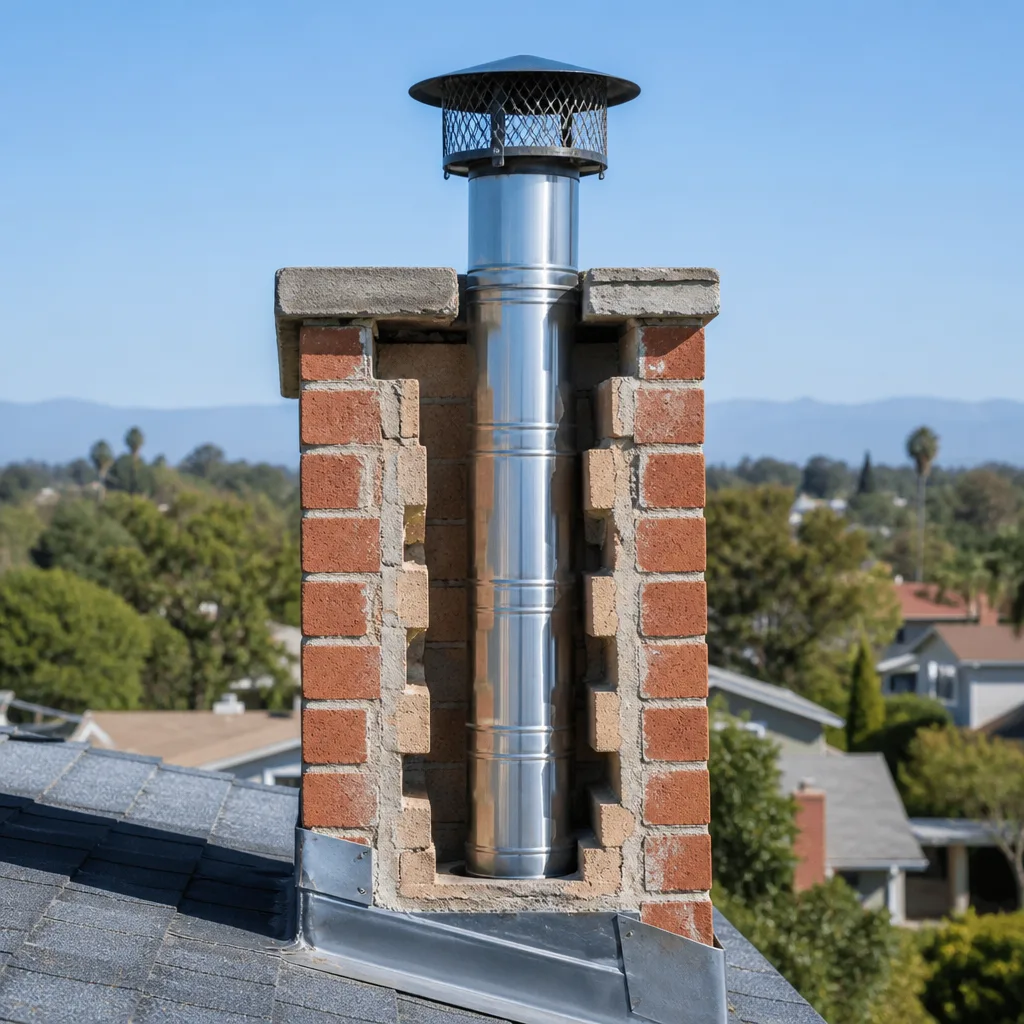 Flue relining
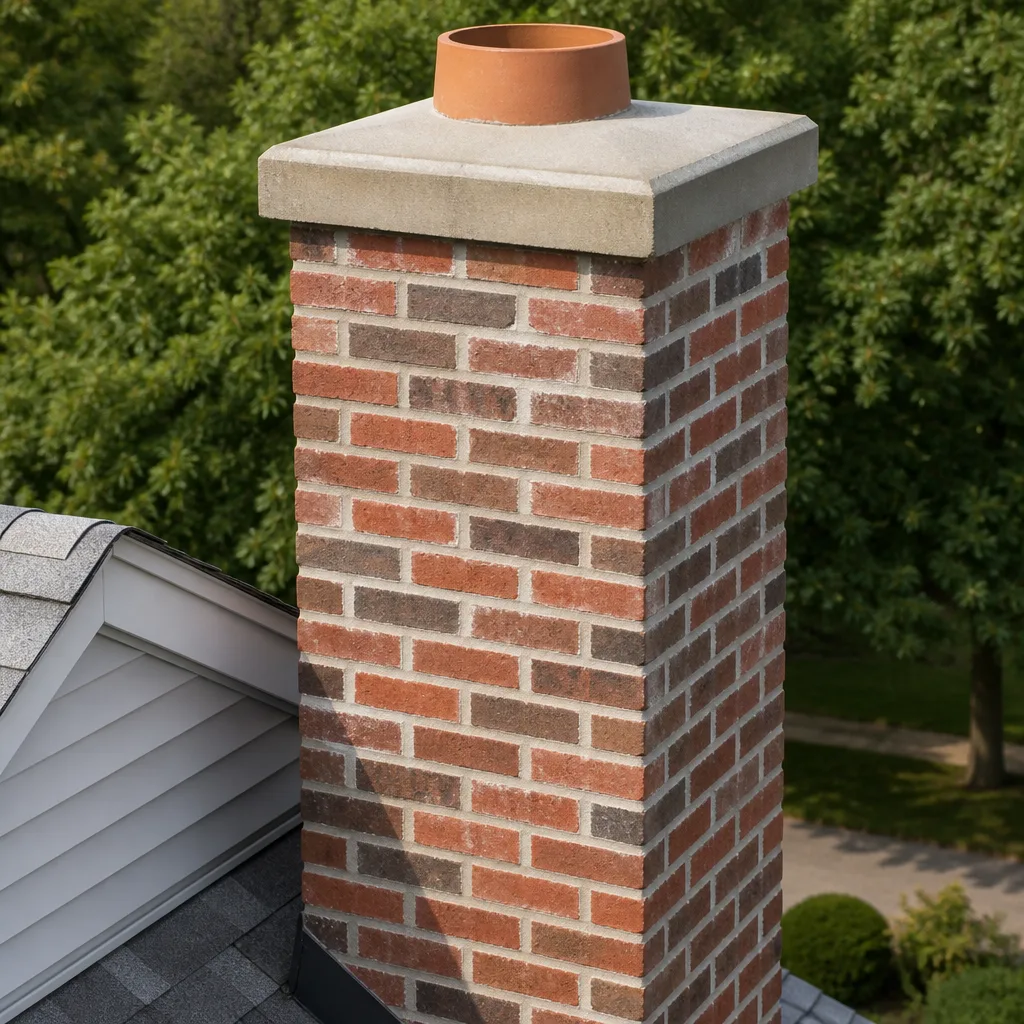 Masonry repair
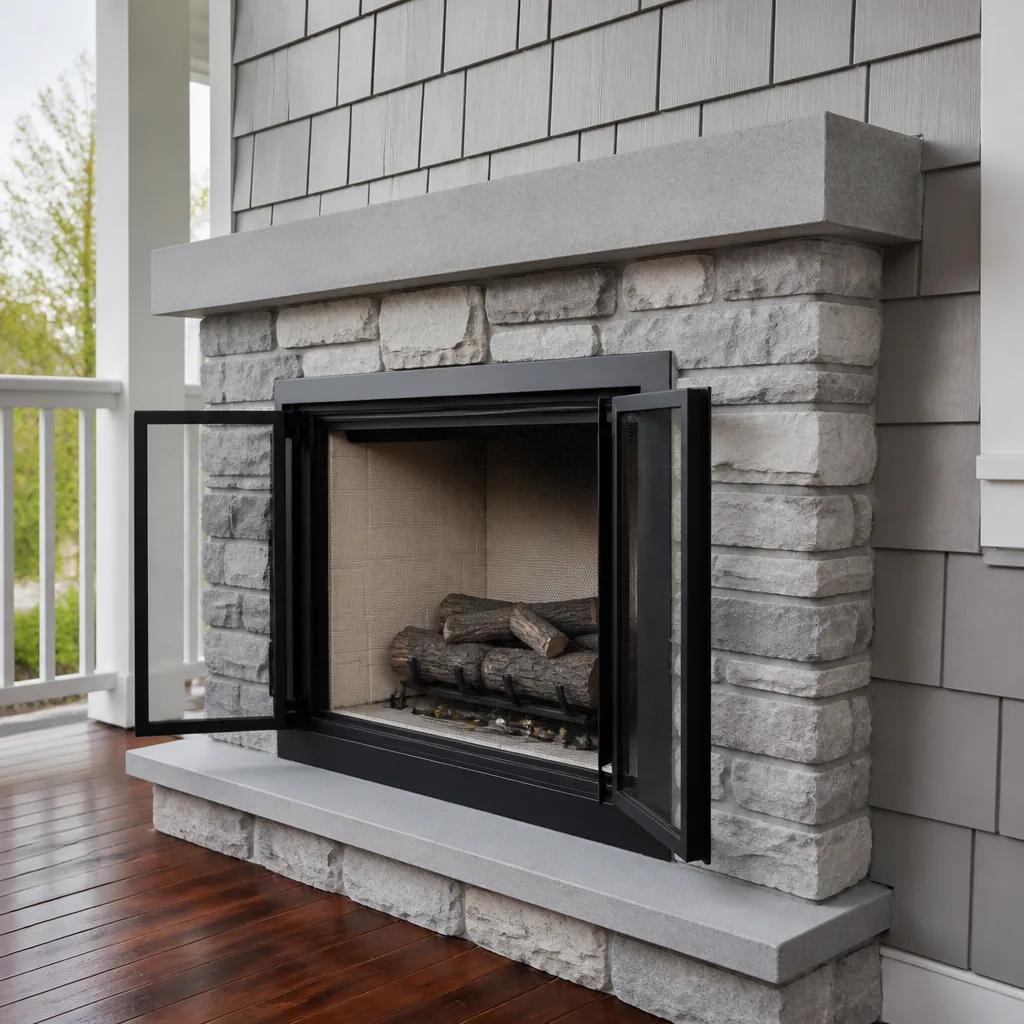 Gas fireplace service
Level 1 sweep and inspection to the NFPA 211 annual standard - flue, crown, cap, and flashing checked and photographed
Chimney sweep logs do not sweep chimneys. They loosen some creosote - which then falls where a brush and vacuum still have to collect it.
The Complete Guide to Chimney Cleaning in Camarillo
Most Camarillo homeowners assume a chimney used only a handful of times each winter can’t possibly be dirty enough to worry about. The opposite is true. A fireplace that gets lit 15 times a season often builds up more dangerous creosote than one burning daily in a colder climate, because our short, mild burn season creates exactly the low-temperature, smoldering conditions that produce the most stubborn, flammable kind of deposit. This guide explains what actually builds up inside Camarillo chimneys, how cleaning works at different levels, what it costs, and how to know whether you need a sweep, an inspection, or a repair. By the end, you’ll know what a proper chimney cleaning in Camarillo should include, and what questions to ask before anyone sets foot on your roof.
Styles & brands we work with
- Sweep & inspection
- Caps & crowns
- Flue relining
- Masonry repair
- Gas fireplace service
Quick Answer
Chimney cleaning in Camarillo typically involves a full flue sweep with specialized brushes matched to your liner type, a visual inspection of the firebox and exterior, and a written condition report with photos. Most homes with a wood-burning fireplace used seasonally need a Level 1 cleaning and inspection annually, while gas fireplaces need an annual Level 1 inspection even when the glass looks clean. A standard Camarillo chimney cleaning takes one to two hours, and the cost depends on flue height, liner material, and creosote stage, with the estimate set after we look at what you have.
Table of Contents
- Why Camarillo Chimneys Get Dirty Differently
- The Three Stages of Creosote Buildup
- Level 1, Level 2, and Level 3 Cleaning Explained
- How Your Liner Type Changes the Cleaning Method
- Why Gas Fireplace Flues Still Need Annual Attention
- What a Professional Cleaning in Camarillo Should Include
- How Much Does Chimney Cleaning Cost in Camarillo?
- Common Mistakes to Avoid
- When to Call a Professional
- Frequently Asked Questions
- The Bottom Line
Why Camarillo Chimneys Get Dirty Differently
Chimney cleaning guides written for colder parts of the country assume a burn season that runs for months, with daily fires at high temperatures. Camarillo doesn’t work that way. Our inland Ventura County climate means most homeowners light a fire in the evening when temperatures dip, burn for a few hours, and then let the fire die down on its own. That pattern, repeated every few days between November and March, creates something chimney professionals see constantly in this area: a lower-temperature, stop-and-start burn cycle that produces more creosote per fire than a steady, hot burn in a colder climate.
Where this becomes a real Camarillo-specific concern is the type of creosote that forms. A hot, steady fire pushes most combustion byproducts up and out before they can condense on the flue walls. A short, intermittent fire does the opposite. The smoke cools before it exits, and the unburned wood particles settle inside the flue as a tar-like coating. Because our winters rarely demand the kind of sustained high heat that keeps a flue self-cleaning, the deposits in Camarillo chimneys tend to be denser and stickier than what you’d see in a house that burns hot every night from October through March. That’s not an argument to burn bigger fires. It’s an argument to understand that seasonal, occasional use is exactly when professional attention matters most. If you use a wood-burning fireplace in Camarillo, even lightly, you’re in the creosote-formation sweet spot, and a chimney sweep is the only way to know what’s actually accumulated.
The Three Stages of Creosote Buildup
Creosote isn’t one substance. It forms in stages, and each stage changes the cleaning method, the time required, and the urgency of the work. Understanding these stages helps you make sense of what a chimney professional tells you during an inspection.
Stage 1: Soot and Loose Flakes
Stage 1 creosote is a dry, dusty, grayish-black residue. It brushes off easily and is the kind that forms with consistently hot, paper-dry wood fires. If you sweep on time, this is what you’ll typically see. A standard rotary brush handles it without difficulty, and it’s the least concerning stage from a fire-safety standpoint.
Stage 2: Crusty Granules
Stage 2 creosote looks like baked-on flakes, sometimes described as burnt cornflakes. It’s harder, adheres to flue walls, and requires more aggressive brushing, often with a rotary loop or more abrasive tooling. Homes that burn occasional fires, as most Camarillo homes do, often cross into Stage 2 without realizing it because the visual cue in the firebox is subtle.
Stage 3: Glazed, Runny Tar
Stage 3 is the one that keeps chimney professionals up at night. It appears as a shiny, tarry coating that hardens into a dense, glossy layer, sometimes resembling dried syrup. It is extremely difficult to remove with brushes alone. In the most severe cases, chemical treatment, longer dwell times, or specialized removal techniques are required before the flue can be returned to service safely. Stage 3 creosote is highly combustible and is the type most often associated with chimney fires. The conditions that create it, low heat, restricted airflow, intermittent burning, are exactly what our short Camarillo burn season tends to produce.
Level 1, Level 2, and Level 3 Cleaning Explained
The way a chimney gets cleaned is not one-size-fits-all. The National Fire Protection Association defines three levels of inspection and cleaning, and the right one depends on what’s happened to the chimney since the last service. Here’s what each level means and which applies to most Camarillo homes.
Level 1: Annual Maintenance
This is the standard, routine service. A Level 1 cleaning and inspection covers the readily accessible portions of the chimney, the flue interior, the firebox, the damper, and the exterior visible from the ground or roof. If nothing about the chimney has changed, no appliance switch, no earthquake, no efficiency upgrade, nothing unusual, this is the level most homeowners need. For a typical Camarillo wood-burning fireplace in regular seasonal use, an annual Level 1 is the right baseline. The technician runs brushes from the top or through the firebox, depending on the liner and access, removes the accumulated soot and creosote, and verifies that the flue is clear of blockages.
Level 2: After a Change or Event
A Level 2 inspection is more involved and uses internal camera equipment to look at the entire flue, including sections not accessible to the naked eye. You need this level if you’ve changed fuel type, if a chimney fire has occurred, if you’re buying or selling a home, if an earthquake or slab leak has affected the structure, or if a new appliance or reline is going in. In Camarillo, seismic activity is a legitimate consideration: a Level 2 is the way to confirm that no hidden damage exists after any kind of significant ground movement. A Level 2 cleaning will not be more aggressive on its own, but it gives you a documented photograph of every inch of the flue.
Level 3: When Structural Access Is Required
A Level 3 inspection involves removing portions of the chimney, masonry, or interior walls to access concealed areas. It is rare, usually reserved for cases where a suspected fire, collapse, or major defect can’t be reached any other way. If your chimney has signs of internal damage that a camera can’t fully map, a Level 3 is the next step. For most Camarillo homeowners, Level 1 annual service with a Level 2 whenever something changes is the correct schedule.
How Your Liner Type Changes the Cleaning Method
Your chimney liner is the tube inside the masonry that channels smoke up and out. What it’s made of changes how it should be cleaned, and a technician who reaches for the same brush regardless of liner is not doing you any favors.
Clay Tile Liners
Tile-lined flues are common in older Camarillo homes. The individual terra-cotta sections have mortared joints that can be chipped or damaged by overly aggressive wire brushing. Cleaning these flues requires control, the right wire or poly brush, and an understanding of where the joints are. A tile liner’s interior is rougher and holds creosote more tightly than metal, so thoroughness matters. The professional approach is slower, deliberate, and documented.
Stainless Steel Liners
Stainless liners, especially flexible liner systems like those installed by our crews using professional-grade materials from Chimney Sweep Camarillo, require a different brush entirely. A poly brush or a softer metal brush protects the liner’s interior surface while still removing deposits. Stainless can be scratched by wire tooling, and those scratches create more future creosote accumulation, so the wrong brush creates a repeating problem. Because flexible liners may have corrugations, a rotary cleaning system is often more effective than a standard chimney brush. Knowing what’s in your flue before cleaning starts is non-negotiable.
Resurfaced Liners
Some Camarillo homes have had their flue resurfaced with HeatShield, a professional chimney coating that restores damaged tile liners without a full replacement. A resurfaced liner should be treated like a ceramic finish, cleaned with gentler tools and inspected for coating integrity. This is one reason why one-size-fits-all cleaning services create problems. When we clean a HeatShield-treated flue, we’re looking for delamination, cracking, or any sign that the coating needs attention. That kind of observation only happens when the technician knows the material.
Why Gas Fireplace Flues Still Need Annual Attention
A gas fireplace doesn’t create creosote. That’s true. But the assumption that no visible soot means no problem is one of the most common misunderstandings we hear from Camarillo homeowners. Gas flues fail in different ways, and annual inspection is the only way to catch those failures before they exhaust into the living space.
Gas appliances burn clean, but they still move combustion gases, moisture, and trace corrosives up the flue. Over time, those gases can attack the liner, degrade joints, and create acidic condensation. The result is not a sooty fireplace but a deteriorating flue that may not be visible from the firebox. In vented gas log systems, the flue also handles whatever is in the air being drawn up, including dust, pet hair, and household allergens that can accumulate in ways that restrict draft. A restricted gas flue can push carbon monoxide back into the room, which is the reason gas flues need inspection even when the glass panel looks spotless.
Additionally, many Camarillo homes have pre-fabricated gas fireplaces with interior chimney sections that cannot be visually inspected from inside the house. The only way to examine those sections is with specialized camera equipment. An annual Level 1 inspection, which we perform as part of routine service, verifies that the flue is intact, the termination cap is unobstructed, and all connections are sound. This isn’t a scare tactic. It’s the same reason you replace the batteries in a carbon monoxide detector: gas combustion demands an unobstructed path out of the house.
What a Professional Cleaning in Camarillo Should Include
Here’s what a completed professional chimney cleaning should deliver. If any of these items is missing, you didn’t receive a full service.
What we provide on a standard Camarillo chimney cleaning:
- A full flue sweep from top to bottom using the correct brush for your liner material. Tile, stainless, and resurfaced liners are treated as separate systems with separate tooling.
- A firebox cleaning that removes ash, debris, and surface deposits from the area where combustion actually happens.
- A damper inspection, including operation check, because a sticking damper is both a fire-safety and an efficiency issue.
- A smoke chamber check. This is the area above the damper and below the flue, often overlooked by quick-sweep services, and it is a common creosote collection point.
- An exterior inspection of the chimney crown, cap, flashing, and masonry visible from the roof.
- Documented photographs of the flue interior, especially any damage, stage of creosote, or animal intrusion.
- A written condition report that states what was cleaned, what was found, and what, if anything, requires follow-up.
The documentation matters more than most homeowners expect. If you ever need to file an insurance claim, sell the house, or prove the chimney was maintained, those photos and that report are your record. A verbal “looks fine” is not a service. We document every job because the condition of your flue should never be a matter of trust, it should be something you can see.
How Much Does Chimney Cleaning Cost in Camarillo?
Chimney cleaning in Camarillo is priced per job by a written estimate, not by a one-size-fits-all menu number. The final figure depends on what we find during inspection and what the cleaning actually requires. Here are the factors that influence the price.
| Factor | Typical Impact on Price |
|---|---|
| Flue height and roof access | Taller chimneys, steep roof pitches, and difficult access add labor time. Most Camarillo track homes have moderate-height chimneys with manageable roofs. |
| Liner material | Stainless liners often require a different, more expensive poly brush system. Tile liners may require multiple tooling passes. |
| Creosote stage | Stage 1 cleans quickly. Stage 2 takes longer. Stage 3 glazed creosote may require chemical treatment or specialized rotary removal, which adds cost. |
| Additional services | A chimney cap replacement, damper repair, or firebox repointing discovered during the cleaning adds cost, but we will not recommend anything without showing you photographic evidence. |
| Camera inspection | If a Level 2 inspection is needed, the internal camera documentation adds to the service. We always show you the footage. |
For Camarillo homeowners, the typical annual sweep falls into an accessible range, but quoting a number without seeing the chimney would be dishonest. We provide free estimates, and the written estimate sets the final price before any work begins. The same flat-price approach applies whether you’re in the tree-lined streets near Pleasant Valley or one of the newer developments off Las Posas Road. What we will not do is recommend a liner replacement without camera evidence you can review yourself. Repair first, replace only when necessary.
Common Mistakes to Avoid
- Assuming a gas fireplace needs no attention. Gas flues corrode, restrict, and fail in ways that produce no visible soot. Annual inspection is the only way to verify the exhaust path is intact.
- Using the wrong brush on the wrong liner. A wire brush on a stainless or HeatShield-resurfaced liner causes scratches that accelerate future buildup. Each liner material has a correct tool.
- Burning green or wet wood in a short Camarillo burn season. Wet wood lowers combustion temperature, which is the single best way to accelerate creosote formation in our mild climate.
- Trusting a verbal “looks clean” instead of a documented report. If there are no photos and no written condition report, there is no record, and no way to verify the work was done properly.
- Skipping a Level 2 inspection after a chimney fire or earthquake. A chimney fire can happen and leave no obvious exterior damage. Only a camera inspection reveals what happened inside the flue.
- Letting a general handyman handle chimney work. Chimney cleaning and repair involve fire-safety code requirements, liner materials, and clearances that generalists aren’t trained to evaluate. A focused dryer vent cleaning specialist is a different trade entirely, and both deserve someone who works in that niche every day.
- Ignoring the smoke chamber. Many discount sweeps clean the flue but never touch the smoke chamber above the damper, leaving a significant creosote reservoir in place.
When to Call a Professional
You should call for a professional chimney cleaning in Camarillo if you haven’t had one in the past year, if you’ve noticed a burning-campfire smell even when the fireplace isn’t in use, if smoke backs up into the room during operation, if you see black, shiny deposits on the damper or upper firebox, or if you’re buying or selling a home in Camarillo and want photographic documentation of the flue’s condition. Any of these signals means the system needs eyes on it, not another season of hoping. We also recommend an inspection before lighting the first fire of fall if you had any kind of animal intrusion, roof work, or significant seismic activity since the last burn. Chimney Sweep Camarillo offers free estimates in Camarillo. Call (833) 589-9263 for a written quote. We answer 24/7. Fast dispatch from 7am to 7pm, Sunday through Friday.
Frequently Asked Questions
The price is set per job by a written estimate after we inspect your flue, liner, and creosote stage. A typical annual sweep in Camarillo falls into a standard range, but the only honest answer is to know what you have before quoting a number. Call (833) 589-9263 for an exact quote, estimates are free, and the written estimate sets the final price.
At least once per year for a wood-burning fireplace in regular seasonal use, even if that use is only 15 to 20 fires between November and March. Gas fireplaces need an annual Level 1 inspection regardless of how clean they look. If you’ve had a chimney fire, an earthquake, or changed fuel type, schedule a Level 2 inspection immediately.
Not automatically. Many Camarillo chimneys with damaged tile liners are candidates for HeatShield resurfacing, which restores the flue without a full stainless conversion. We will not recommend either option until we’ve put a camera in the flue and shown you what the liner actually looks like. Repair first, replace only when necessary.
Creosote accumulates in stages, and the third stage is combustible enough to ignite. That’s the chimney fire scenario. Even if a fire doesn’t happen, built-up creosote restricts draft, causing smoke to enter the living space and reducing efficiency. For gas systems, skipping inspection means a restriction or liner defect can go undetected until carbon monoxide is being pushed into the room instead of up the flue.
The methods share tools, but the purpose is different. Gas flues are inspected for corrosion, joint failure, condensation damage, and blockages, not for creosote removal. We use camera equipment to verify the flue is structurally sound and unobstructed, because gas combustion produces byproducts you can’t see but still must vent outside.
We don’t recommend it. Working at roof height with professional rotary equipment carries significant fall risk, and without a camera you cannot see the parts of the flue that actually determine whether the chimney is safe. High-temperature combustion is not the place to learn tool selection by trial and error. A trained professional has the brushes for your liner type, the camera to document the interior, and the fall protection to work safely at height.
The Bottom Line
Chimney cleaning in Camarillo is not a checkbox. It’s a service that changes depending on liner type, fuel source, burn pattern, and the kind of creosote that formed during our mild, stop-and-start winter season. The most dangerous deposits are not the ones you can see from the firebox, and the only way to know what’s in your flue is a documented inspection using cameras and professional tooling. We’re a Camarillo chimney and venting specialist, handling sweeping, structural repair, and dryer vent cleaning with the same trade-grade approach. Professional-grade materials, not hardware-store parts. Call (833) 589-9263 for a free estimate in Camarillo.
Written by the team at Chimney Sweep Camarillo, serving Camarillo since 2015.
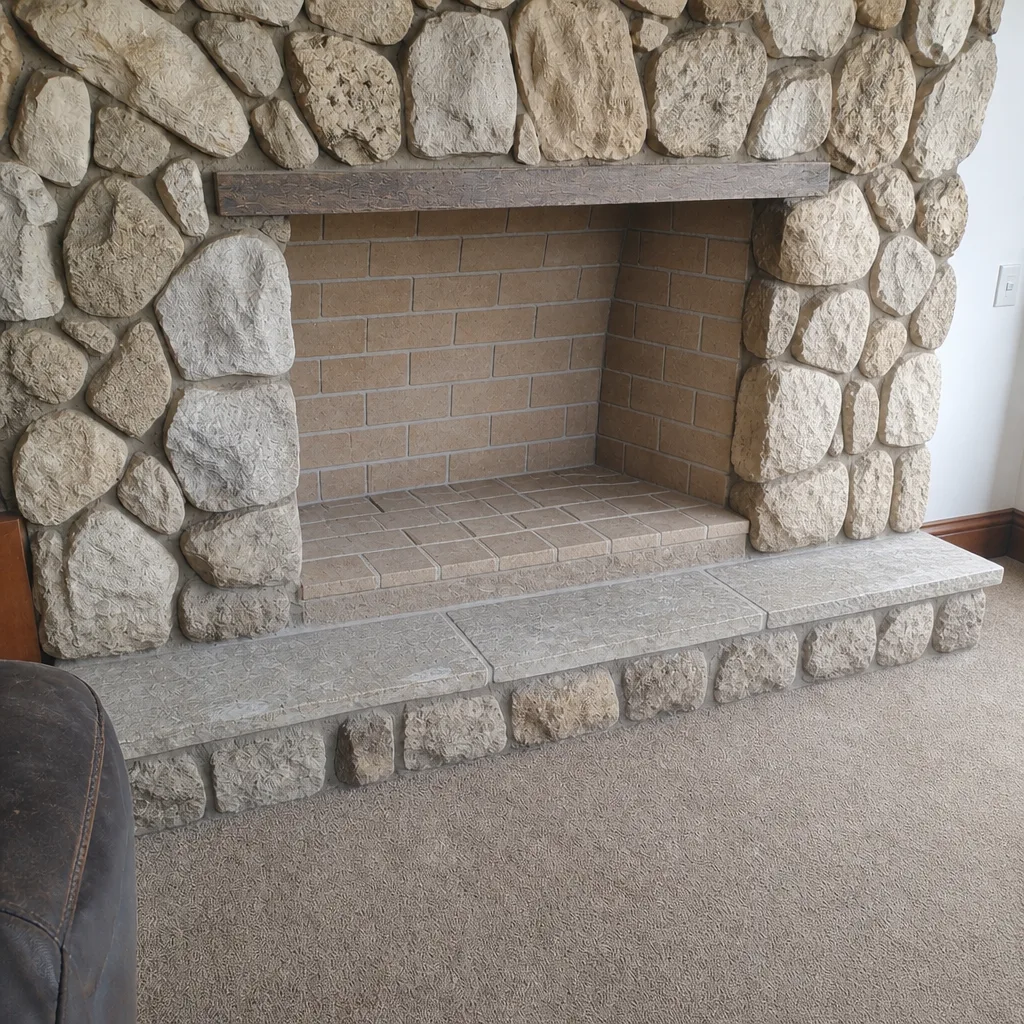
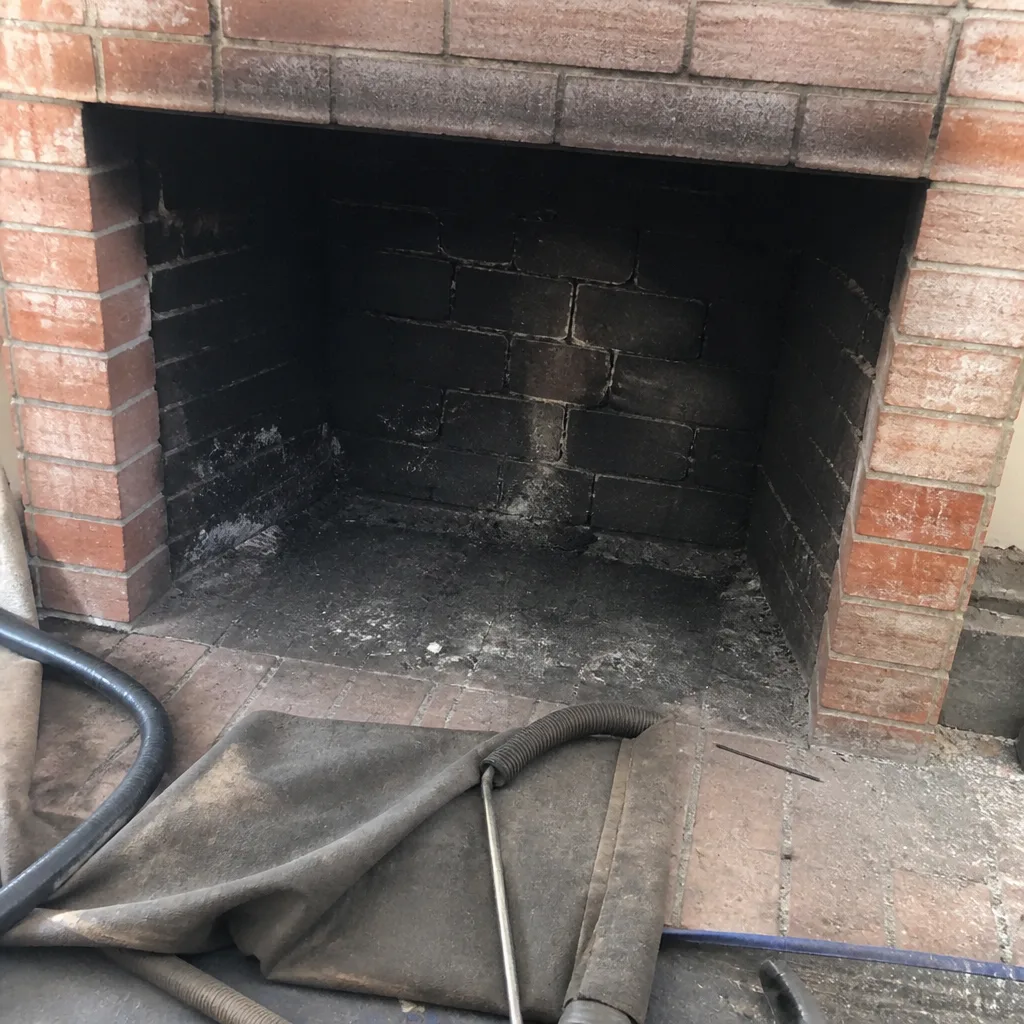
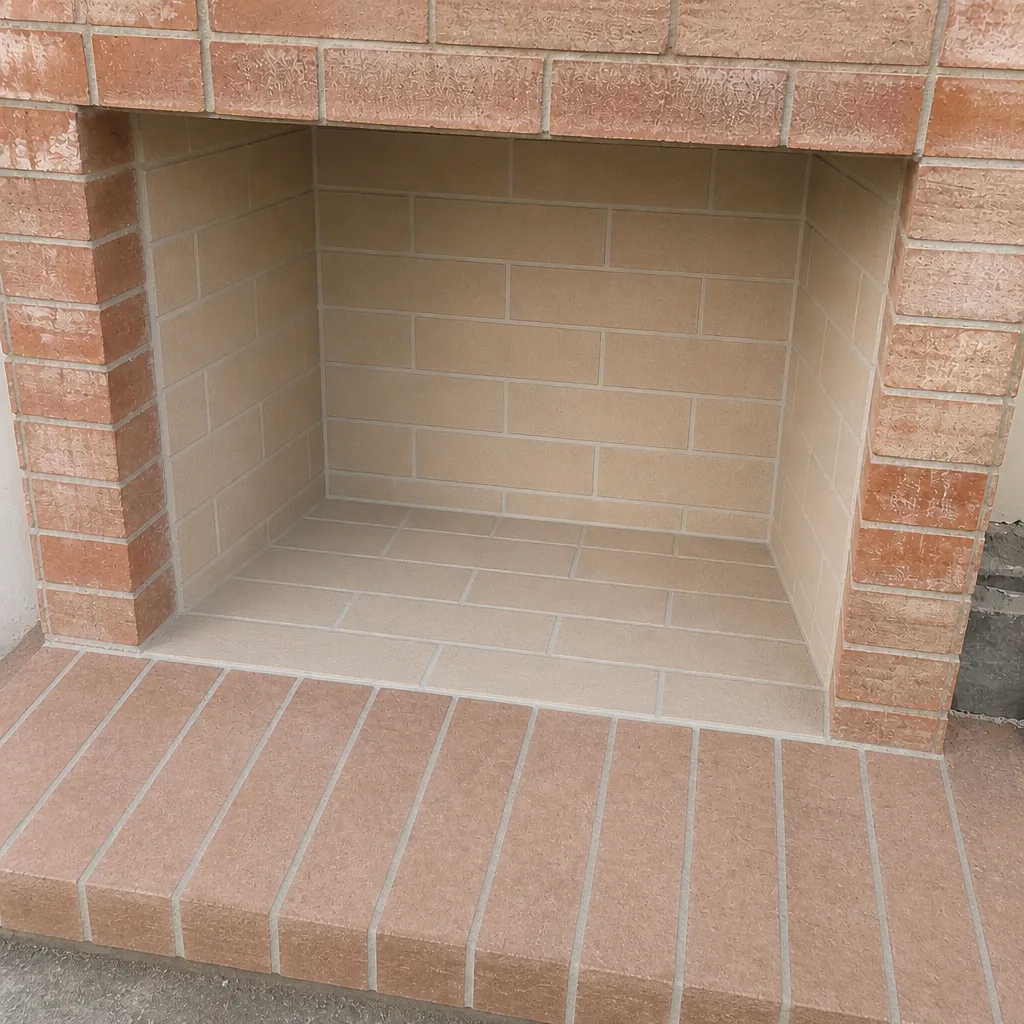
See the difference
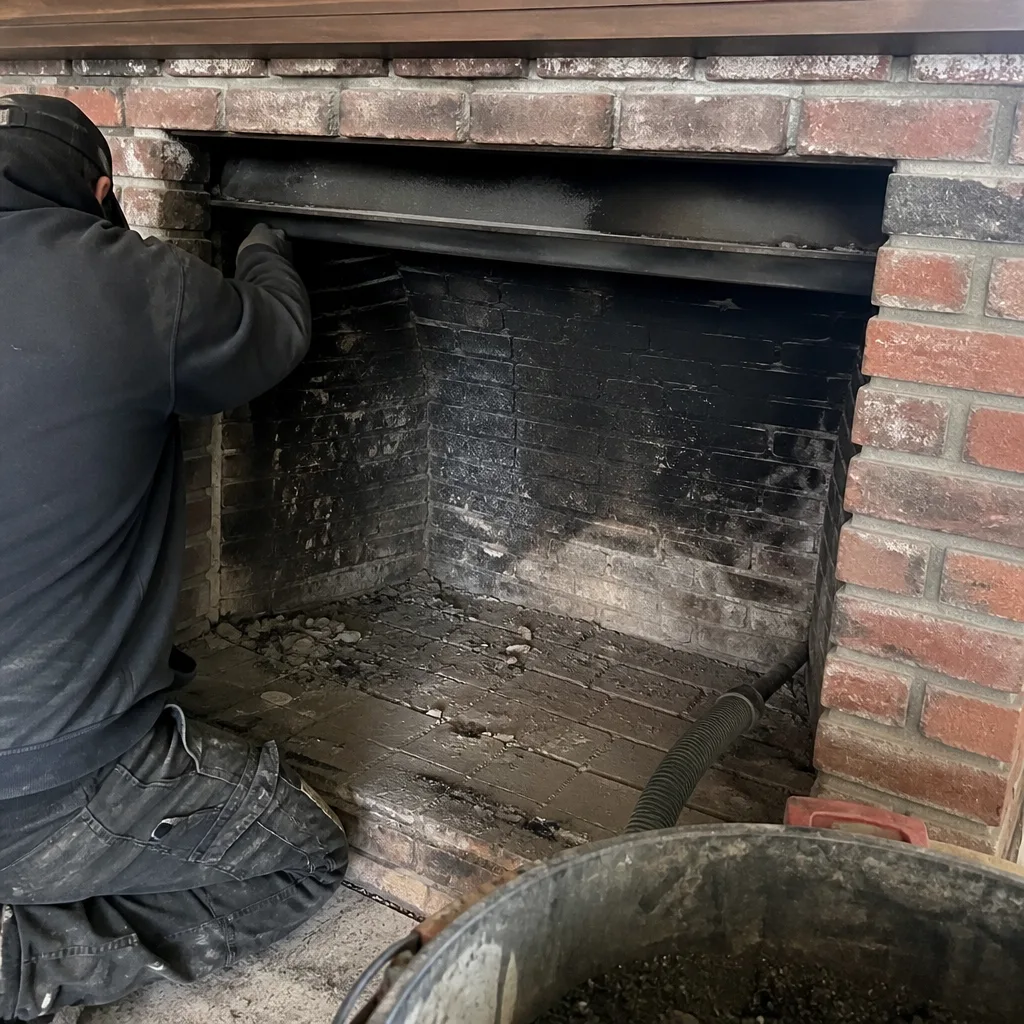 Before
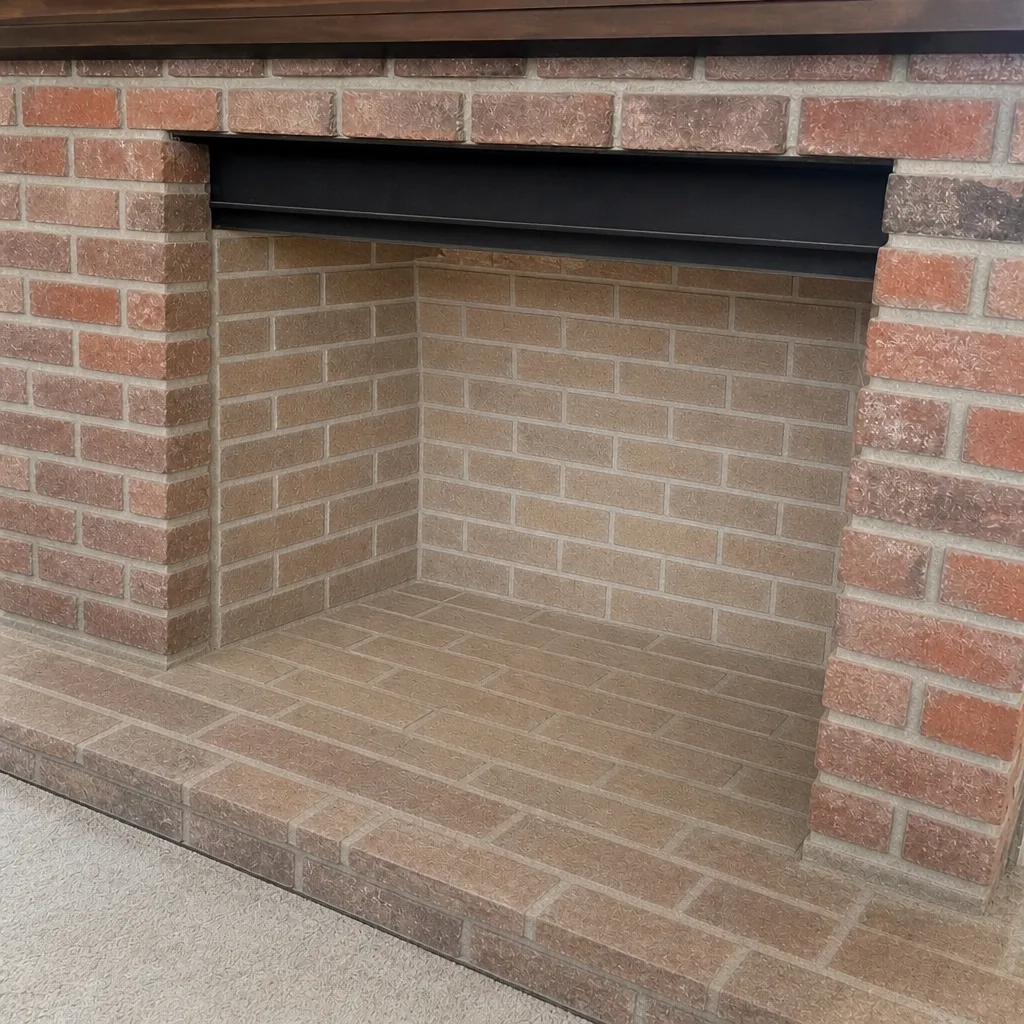 After
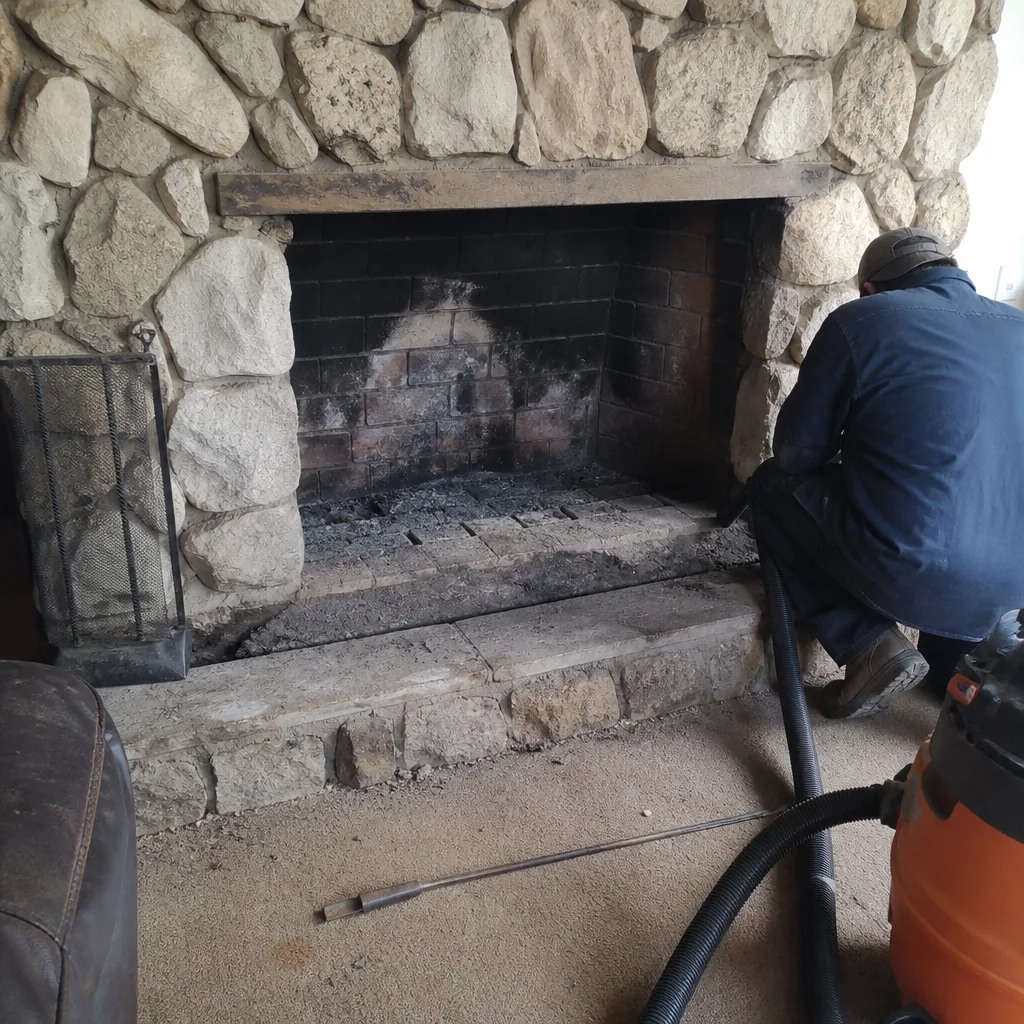 Before
 After
 Before
 After