
Last updated November 4, 2026
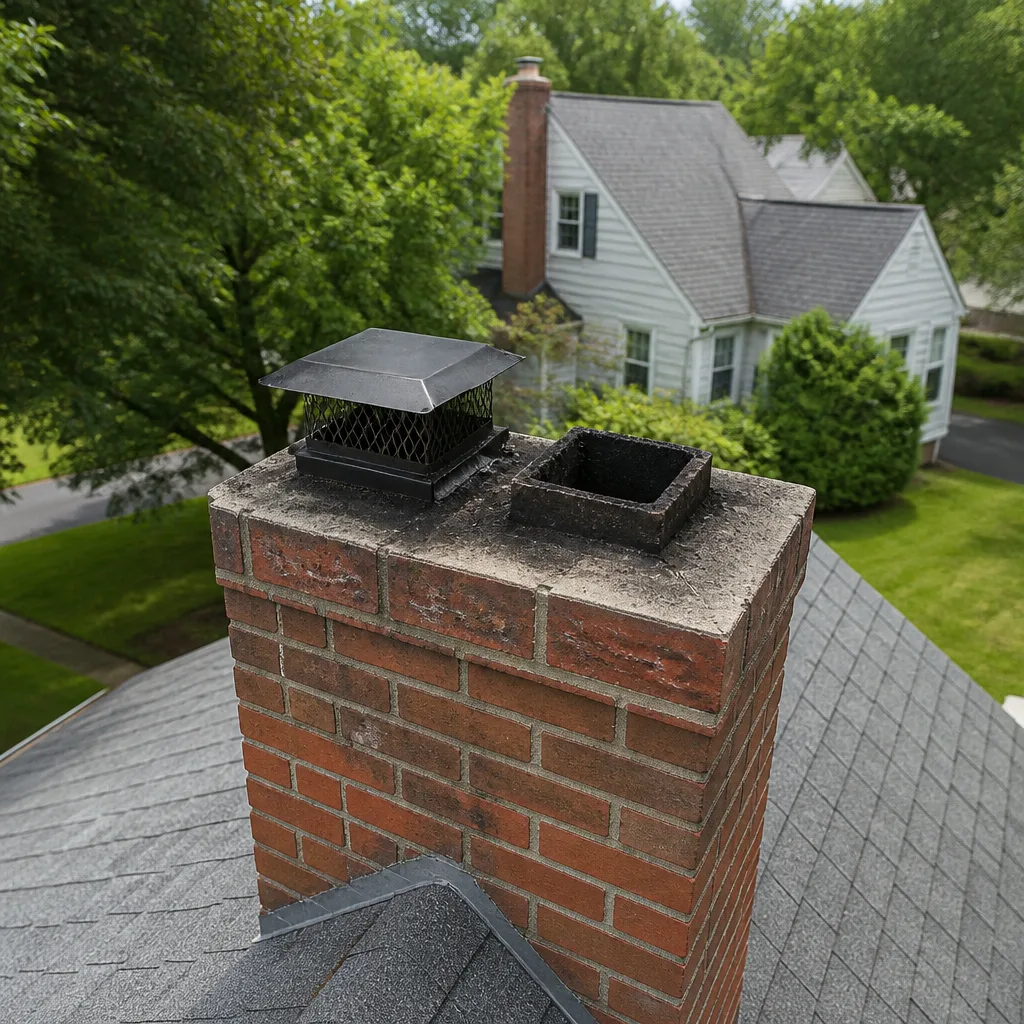 Sweep & inspection
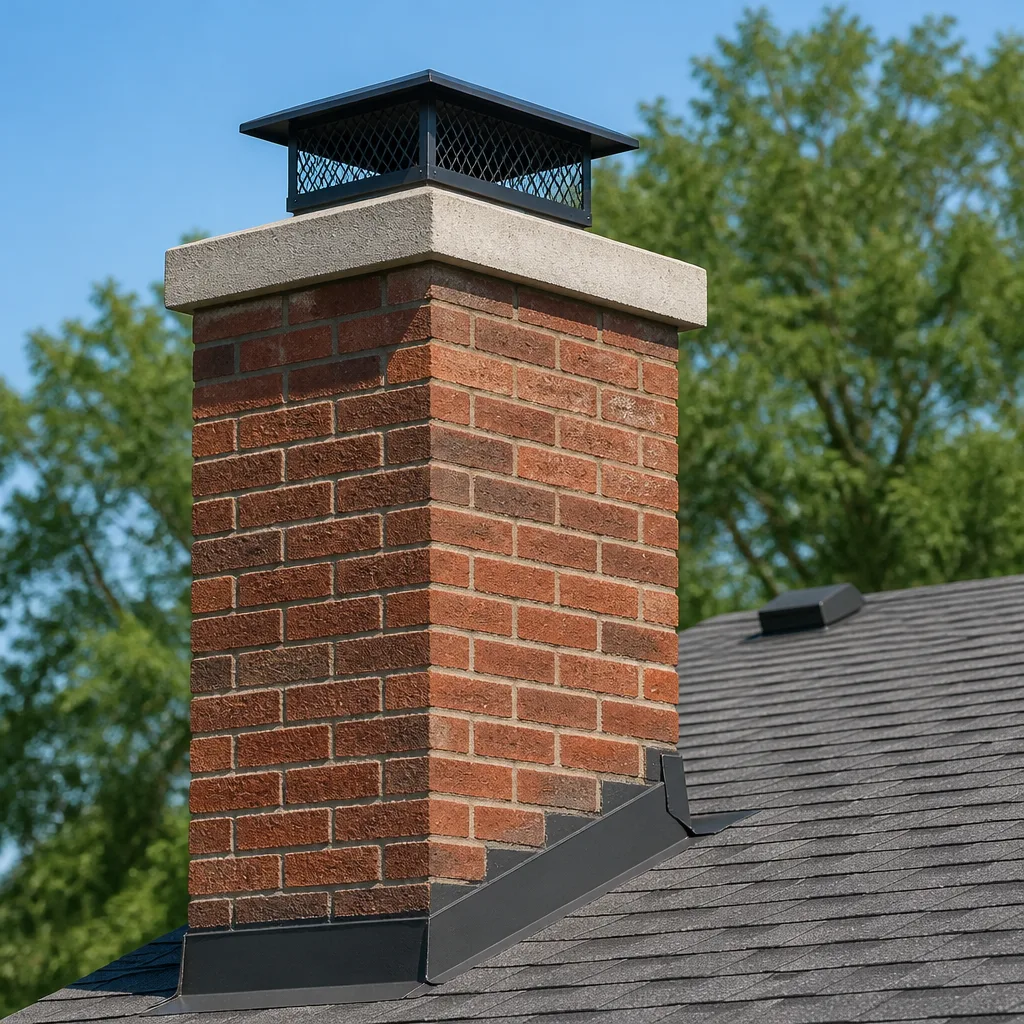 Caps & crowns
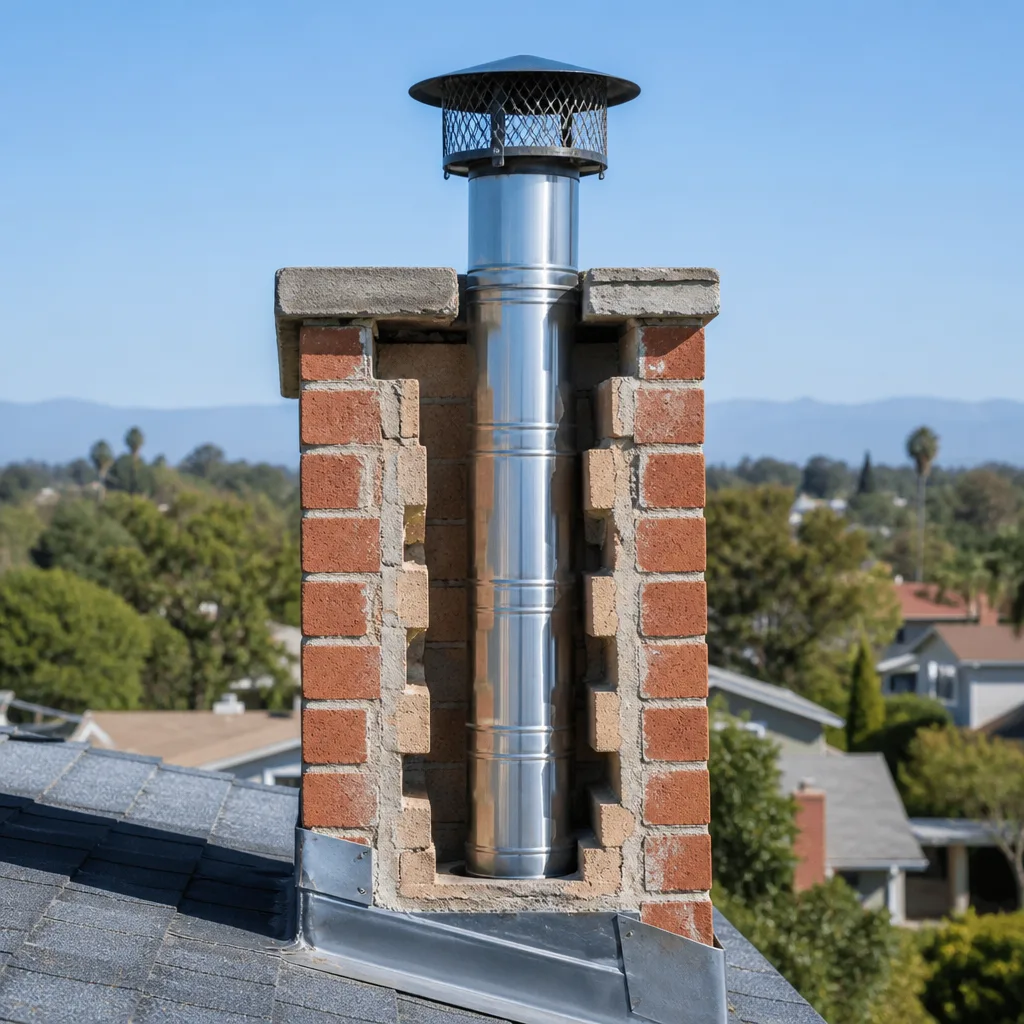 Flue relining
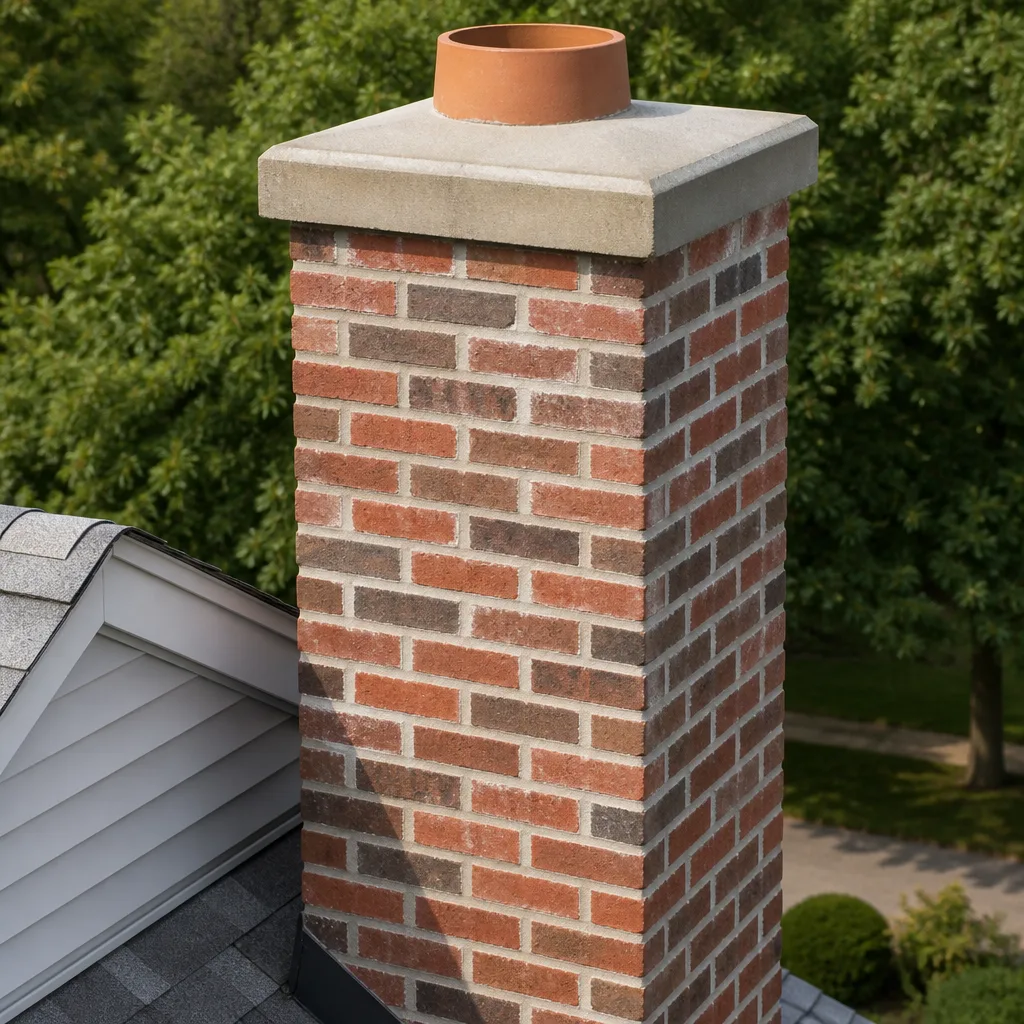 Masonry repair
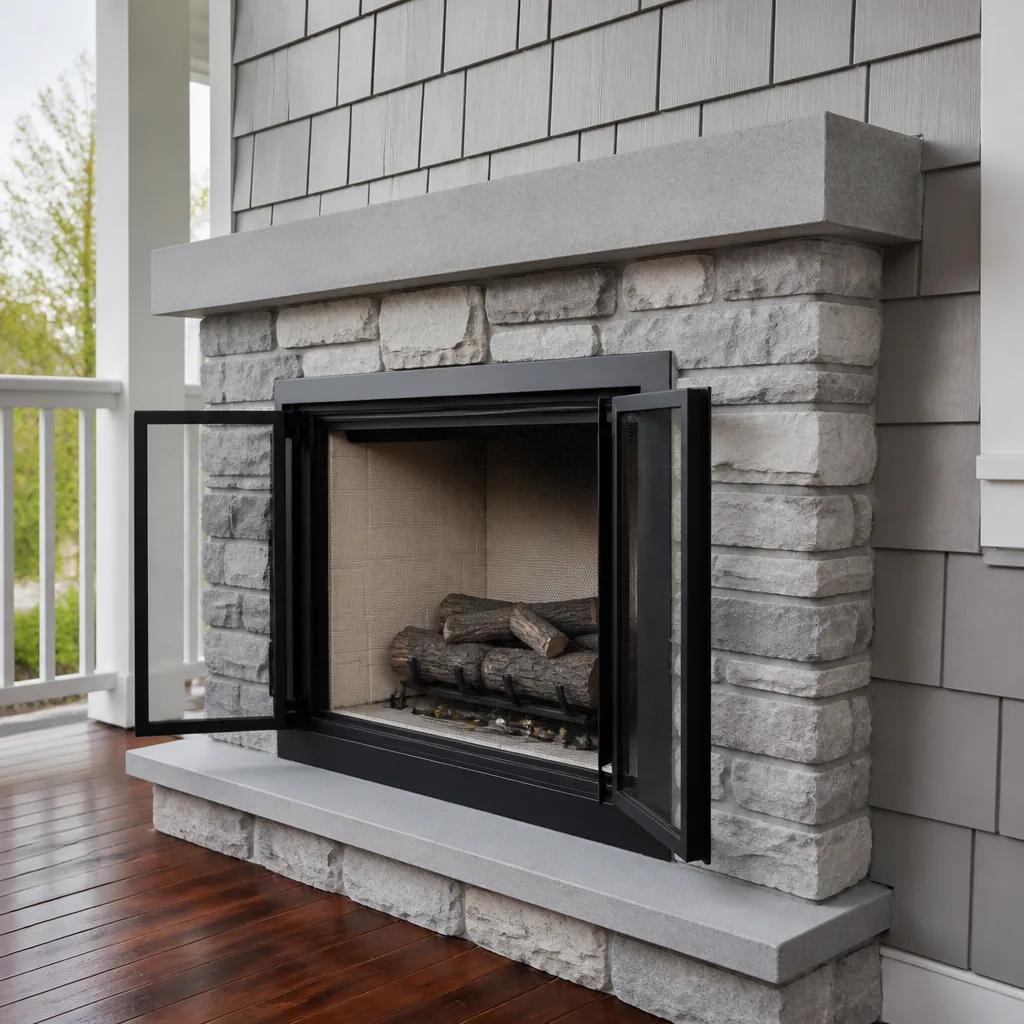 Gas fireplace service
Level 1 sweep and inspection to the NFPA 211 annual standard - flue, crown, cap, and flashing checked and photographed
Chimney sweep logs do not sweep chimneys. They loosen some creosote - which then falls where a brush and vacuum still have to collect it.
Seasonal Chimney Cleaning Care for Camarillo: Year-Round Homeowner’s Guide
Most chimney care calendars you’ll find online were written for places with snow, ice, and bitter cold. Camarillo doesn’t work that way. Our fireplaces sit dormant through long stretches of the year, and that’s precisely when the most useful work can happen. The real seasonal rhythm here is driven by marine layer humidity, sudden Santa Ana dry spells, and a burn season that lasts only a few months but asks a lot of the masonry during that window. This guide lays out what to do in each season, why timing matters for repairs, and when a professional chimney sweep should get involved.
Quick Answer
Seasonal chimney cleaning in Camarillo works best when you schedule a sweep and inspection in late summer or early fall, before the burn season begins. Summer is the ideal window for repairs because sealants and mortars cure fully in dry, warm conditions. During winter, monitor for creosote buildup and any smoke backup, and in spring, check the crown, flashing, and mortar joints for moisture damage after rain exposure.
Styles & brands we work with
- Sweep & inspection
- Caps & crowns
- Flue relining
- Masonry repair
- Gas fireplace service
Table of Contents
- Summer (June – September): The Best Window for Cleaning and Repairs
- Fall (October – November): Santa Ana Prep and First Fire Readiness
- Winter (December – February): Monitoring During Active Use
- Spring (March – May): Post-Rain Moisture Assessment
- How Camarillo’s Marine Layer Affects Masonry
- Common Mistakes to Avoid
- When to Call a Professional
- Frequently Asked Questions
Summer (June – September): The Best Window for Cleaning and Repairs
June through September in Camarillo is when your chimney is doing the least, and that’s exactly why it’s the smartest time to schedule work. The firebox is cold, there’s no creosote actively forming, and the weather is dry enough that any sealant, mortar patch, or crown coating will cure completely. If you’ve been putting off a chimney sweep, summer is when the appointment causes the least disruption to your routine.
We recommend an annual cleaning regardless of how often you burn. Even occasional fires produce creosote, and creosote doesn’t go away on its own. A summer sweep means your chimney is clean and inspected before the first cold evening in November or December. It also gives you months of runway if the inspection turns up something that needs repair. You’re not scrambling to get work done during the busiest stretch of the year for every chimney company in Ventura County.
Summer is also the right time for structural repairs for a practical reason: materials behave better. Masonry sealants, crown coatings, and flue resurfacing products all have manufacturer-specified temperature and moisture requirements. In Camarillo, July and August weather typically hits those conditions consistently. If you need a new crown, a HeatShield resurfacing treatment, or a DuraFlex liner installed, doing it in summer means the materials reach full strength faster and you’re not coordinating around rain or damp mortar joints.
Here’s what a thorough summer service visit typically includes:
- Removal of soot and creosote from the flue using professional rotary or brush equipment.
- Inspection of the flue liner for cracks, gaps, or spalling.
- Check of the chimney crown for hairline fractures that let water in.
- Examination of the flashing where the chimney meets the roofline.
- Damper operation test and seal assessment.
- Cap and spark arrestor condition check.
One detail people overlook: the marine layer that hangs over Camarillo in late spring and early summer can keep mornings damp even when afternoons are hot. Cure times for mortar and sealant may need an extra day. If we’re doing repair work in June, we factor that in. It’s part of why we use professional-grade materials from Copperfield, HeatShield, and Gelco rather than hardware-store products. The chemistry is more predictable, and the performance holds up longer in our specific climate.
If your dryer vent has been neglected, summer is also a good time to get dryer vent cleaning done. Lint buildup is a fire hazard, and in summer your dryer often runs harder because of beach towels, swimwear, and weekend gear. Both your chimney and your dryer vent are combustion-venting systems. Handling them in one visit is efficient.
Fall (October – November): Santa Ana Prep and First Fire Readiness
October in Camarillo is when two chimney threats collide. Homeowners are starting to think about the first fires of the season, and the Santa Ana winds are starting to blow. Those winds are dry, gusty, and capable of pushing embers from wildfire activity miles ahead of the fire itself. An open flue with no functioning spark arrestor is a direct pathway for a live ember into your home.
Before you light the first fire, verify three things. First, the spark arrestor on your chimney cap is intact. The mesh should be present, attached, and not rusted through. Second, the damper opens fully and closes with a tight seal. A damper that doesn’t seal lets conditioned air leak out all year and lets smoke drift in when the fireplace isn’t in use. Third, the flue is clear. Bird nests, dry leaves, and even tennis balls show up in chimneys that sat unused all summer.
Santa Ana season also means pressure changes that can push smoke back down a chimney even when the fire is burning fine. A common complaint we hear in October and November is that a fireplace that worked fine last winter suddenly pulls poorly. Often it’s a combination of a partially blocked flue and a damper that was left cracked open all summer. Sometimes it’s a chimney cap that came loose in wind and shifted enough to restrict the draft. These are quick fixes if caught early.
Your fall checklist:
- Schedule your annual sweep and inspection if you haven’t already.
- Verify the spark arrestor mesh is intact and secure.
- Test the damper: open, close, and check the seal when closed.
- Look at the chimney crown from the ground with binoculars for visible cracks.
- Clear any debris from the throat and firebox before the first fire.
If you burn wood, the type of wood matters more in a short burn season. Camarillo’s burn window is compressed. You’re not maintaining a fire all winter like someone in the Midwest. That means the fires you do have should burn clean. Seasoned hardwood produces less creosote per fire than softwood or unseasoned wood. If you’re buying wood from a local supplier, ask how long it’s been split and stacked. If it’s still green, you’ll produce more smoke, more creosote, and more risk in a shorter number of burns.
Winter (December – February): Monitoring During Active Use
Winter is when your chimney is doing real work, and your job as a homeowner is mostly observation. You’re looking for changes in performance, new smells, or visible changes to the masonry. Most chimney problems announce themselves. The trick is knowing what to listen for.
Signs that something changed mid-season:
- Smoke entering the room instead of going up the flue, even with the damper fully open.
- A strong, acrid smell that persists when the fireplace isn’t lit.
- Visible black, shiny creosote accumulating on the damper or firebox walls.
- Water staining on the ceiling near the chimney or on the interior masonry face.
- A rust-colored deposit forming on the exterior bricks.
If you notice any of these, stop using the fireplace until it’s inspected. A smoke-backup problem can escalate quickly. Carbon monoxide is a real risk with a compromised flue, and it doesn’t give you a warning before it makes you sick. If you have a gas insert, a winter inspection is also worth considering, especially if you notice a lazy, yellow flame instead of a crisp blue one.
Camarillo winters are mild, but they’re not dry. Rain moves through in bursts, and those bursts test your chimney’s exterior. The crown takes the brunt of it. A crown with hairline cracks lets water into the masonry, and that water works its way down through freeze-thaw cycles that do occur at local elevations. You may not see the damage in February. You’ll see it in March or April when the cracked mortar starts showing as white efflorescence or spalling brick faces.
One thing we tell every homeowner: don’t use the fireplace as a garbage incinerator. Wrapping paper, cardboard, and especially anything with colored ink or plastic coating burns hot and fast, but it also creates heavy creosote and can send burning fragments up the flue. Your fireplace is not a trash disposal. Burn dry, seasoned wood, and nothing else.
Spring (March – May): Post-Rain Moisture Assessment
After the last significant rains of the season, your chimney needs a look. You don’t have to get on the roof. Start from the ground with a pair of binoculars. Look at the crown, the mortar joints, and the flashing. Then go inside and check the firebox walls for damp spots, staining, or a musty smell that wasn’t there in January.
What rain does to an unprotected chimney is slow and cumulative. Water enters through the crown, works into the mortar joints, and sits there. In Camarillo’s climate, the repeated wetting and drying expands and contracts the masonry. Over time, that movement widens existing cracks and creates new ones. A crown that was structurally fine in September can show a visible crack by March because the winter moisture and temperature swings pushed it past its limit.
The same applies to flashing. Flashing is the metal that seals the gap where the chimney meets the roof. It’s a common source of leaks, and it’s often installed incorrectly or with the wrong materials. We replace flashing regularly on homes throughout Camarillo, and the repairs follow a pattern: winter rain finds the gap, the homeowner notices a ceiling stain in early spring, and the root cause is failing flashing that should have been caught earlier.
Spring is also a good time for an interior inspection if you burned heavily during the winter. A camera inspection of the flue can reveal what a top-down look misses: cracked clay tiles, a deteriorating liner, or creosote deposits in the smoke chamber that need professional removal. This is where a Chimney Sweep Camarillo visit pays off. We identify what’s actually wrong before recommending what to fix. No one wants to hear they need a liner replacement without seeing the evidence for themselves. With a camera inspection, you see exactly what we see.
How Camarillo’s Marine Layer Affects Masonry
The marine layer is a fact of life in much of Ventura County, and Camarillo gets its share. Cool, moist air rolls in during the evening and overnight, then burns off by late morning. That daily humidity cycle matters for your chimney in ways that many national chimney guides don’t address.
Masonry absorbs moisture. That’s not a defect; it’s how brick and mortar behave. The problem arises when moisture takes up residence inside the masonry and never fully dries. In a climate like Camarillo’s, the exterior of your chimney experiences a daily moisture pulse. It wets overnight, dries in the afternoon sun, and repeats. This cycle accelerates the breakdown of older, lime-based mortars and makes cracked joints worse over time.
What does seasonal crack progression look like? It’s usually a widening of existing cracks, not sudden new damage. A hairline crack at the base of the crown becomes a gap wide enough to fit a coin. A small mortar joint fracture grows along the brick line. The changes are incremental, but over two or three years, they add up to a chimney that leaks significantly every time it rains.
The fix usually involves repointing the mortar, replacing or coating the crown, and applying a breathable masonry water repellent. We use Gelco and Copperfield products for this work specifically because they’re formulated for professional masonry applications. Hardware-store sealants often trap moisture inside the brick rather than letting it escape, which makes the problem worse. Professional-grade products breathe properly. That difference matters more in a marine layer climate than it does in a dry inland location.
Common Mistakes to Avoid
- Skipping the annual sweep because you only burn a few times a year. Creosote still forms with occasional use, and a low-use chimney is still exposed to exterior moisture, nesting, and debris all year long. Once a year, every year, is the right interval.
- Lighting the first fire without checking the damper and spark arrestor. A stuck damper or missing spark arrestor is a fire and smoke hazard on day one. These checks take minutes and can prevent a chimney fire or smoke-filled living room.
- Repairing major masonry damage in the middle of winter. Sealants and mortars need dry, warm conditions to cure correctly. In Camarillo, winter rain and cool temperatures can delay or compromise repair work. Summer and early fall are better.
- Ignoring a ceiling stain because it’s small. Water intrusion around a chimney never fixes itself. The source is almost always the flashing, crown, or masonry, and the damage gets more expensive the longer it goes unaddressed.
- Burning unseasoned wood to save money. Wet wood creates more creosote per fire, and that creosote is what causes chimney fires. Paying a little more for properly seasoned wood is cheaper than a liner replacement.
- Using the fireplace as a garbage burner. Wrapping paper, cardboard boxes, and junk mail produce hot embers and heavy creosote. The only thing that belongs in the fireplace is dry, seasoned firewood.
- Assuming a gas insert never needs service. Gas appliances still need annual inspection. Soot buildup, vent blockages, and failing components are common and only show up when someone actually looks.
When to Call a Professional
You should call a chimney professional any time you notice smoke backup, a persistent odor, visible creosote buildup, water staining, or crumbling mortar. These are not normal operating conditions, and they don’t resolve on their own. If you haven’t had a sweep in over a year, schedule one regardless of how the chimney looks from the outside. The inside is where the risk lives.
If you’re in the Camarillo area, Chimney Sweep Camarillo offers free estimates, and we handle everything from routine sweeping to full liner installation and masonry repair. Call (833) 589-9263. We answer 24/7. Fast dispatch from 7am to 7pm, Sunday through Friday.
Frequently Asked Questions
Chimney sweep pricing in Camarillo typically ranges from $180 to $340 depending on the chimney’s condition, height, and accessibility. The final price is set by a written estimate after we see the chimney in person. Call (833) 589-9263 for a free estimate, and we’ll give you a firm number before any work begins.
Once a year, regardless of how often you burn. Annual cleaning removes creosote buildup, clears obstructions, and gives us a chance to catch small problems before they become structural failures. Even gas inserts should be inspected annually.
Creosote accumulates with every wood fire, and it doesn’t dissipate on its own. Water intrusion continues unchecked. A chimney that goes unserviced for several years is more likely to develop a chimney fire, a liner crack, or a leak that damages ceilings and insulation. The repairs cost more than the maintenance would have.
Often, a damaged liner can be repaired with HeatShield resurfacing, which restores the flue without tearing out the old liner. In other cases, a full DuraFlex liner installation is the right call. The decision depends on what the camera inspection shows. We show you the footage and recommend repair before replacement whenever it’s safe to do so.
No. A chimney sweep addresses the fireplace and flue system. Dryer vent cleaning addresses the metal duct that carries lint and hot air from your dryer to the outside. Both are fire risks, and both should be serviced regularly, but they require different tools and procedures.
You can, but we don’t recommend it. Professional cleaning involves specialized brushes, rotary equipment, and inspection cameras that reach areas you can’t see from the firebox. It also involves working at height, handling tools inside a flue, and identifying structural problems that a homeowner can’t evaluate. The cost of a professional sweep is small compared to the cost of a chimney fire.
The Bottom Line
Camarillo’s chimney care calendar is built around four things: dry summer repair windows, Santa Ana fall prep, winter observation, and spring moisture assessment. Clean your chimney once a year, ideally in summer or early fall. Repair damage in the dry season. Watch for changes during the burn months. Check for water intrusion after the rains. If you follow that rhythm, your chimney will serve you for decades instead of presenting you with a five-figure repair bill. And if you ever need a second set of eyes, call (833) 589-9263. We answer 24/7, and estimates are free.
Written by the team at Chimney Sweep Camarillo, serving Camarillo since 2015.
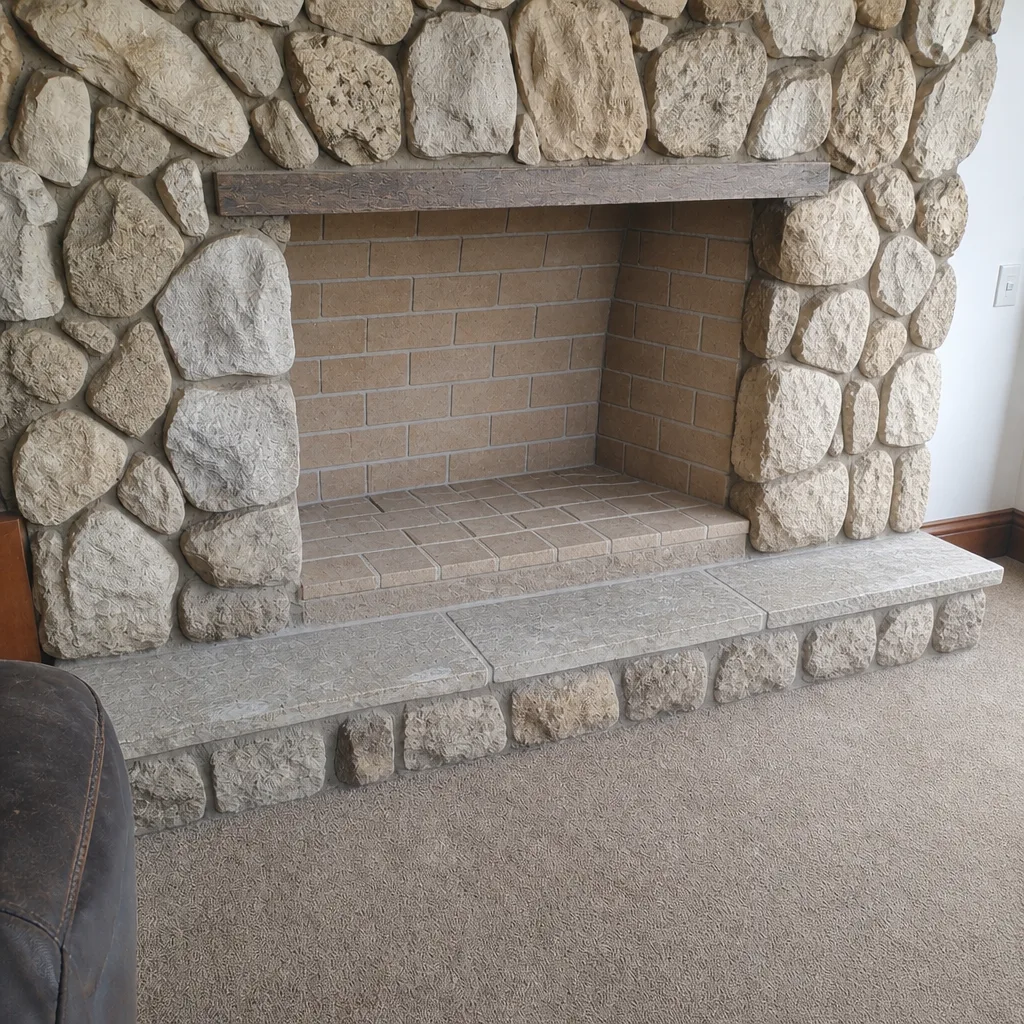
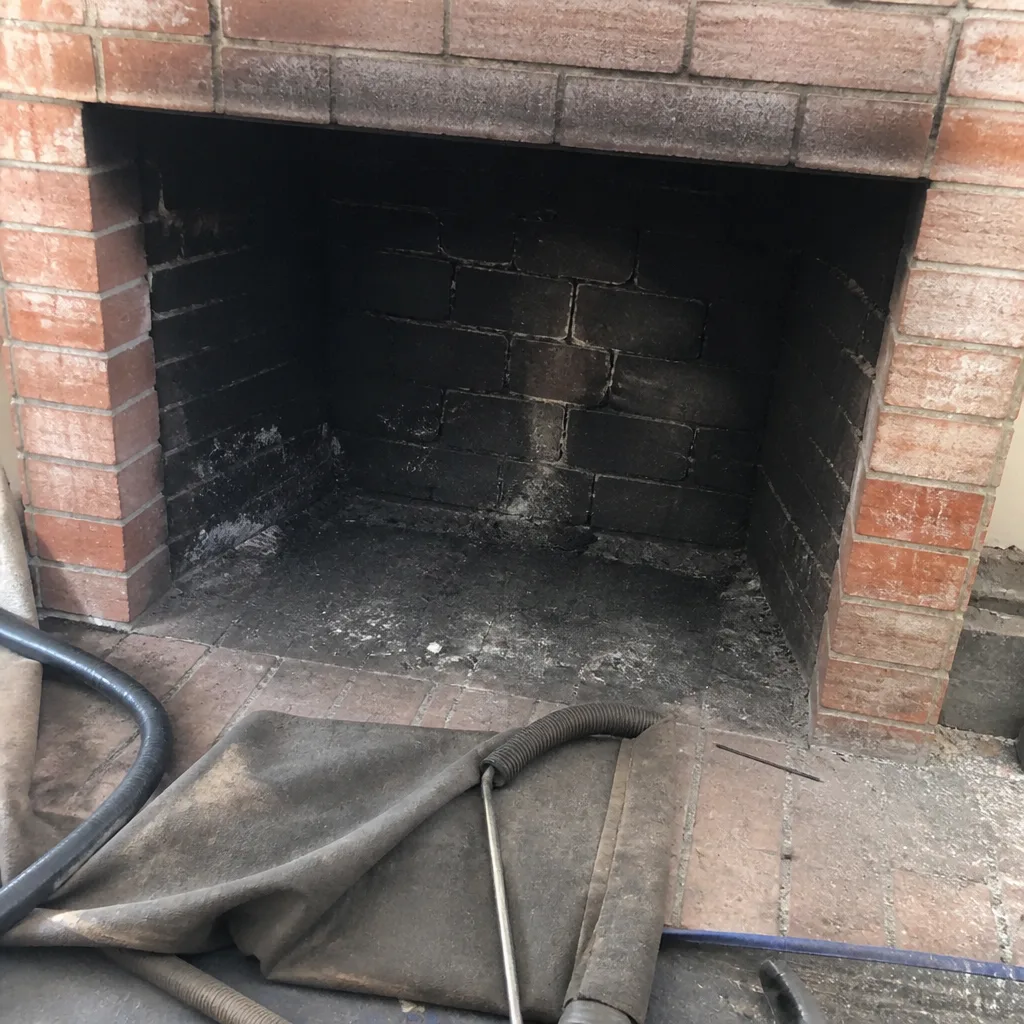
See the difference
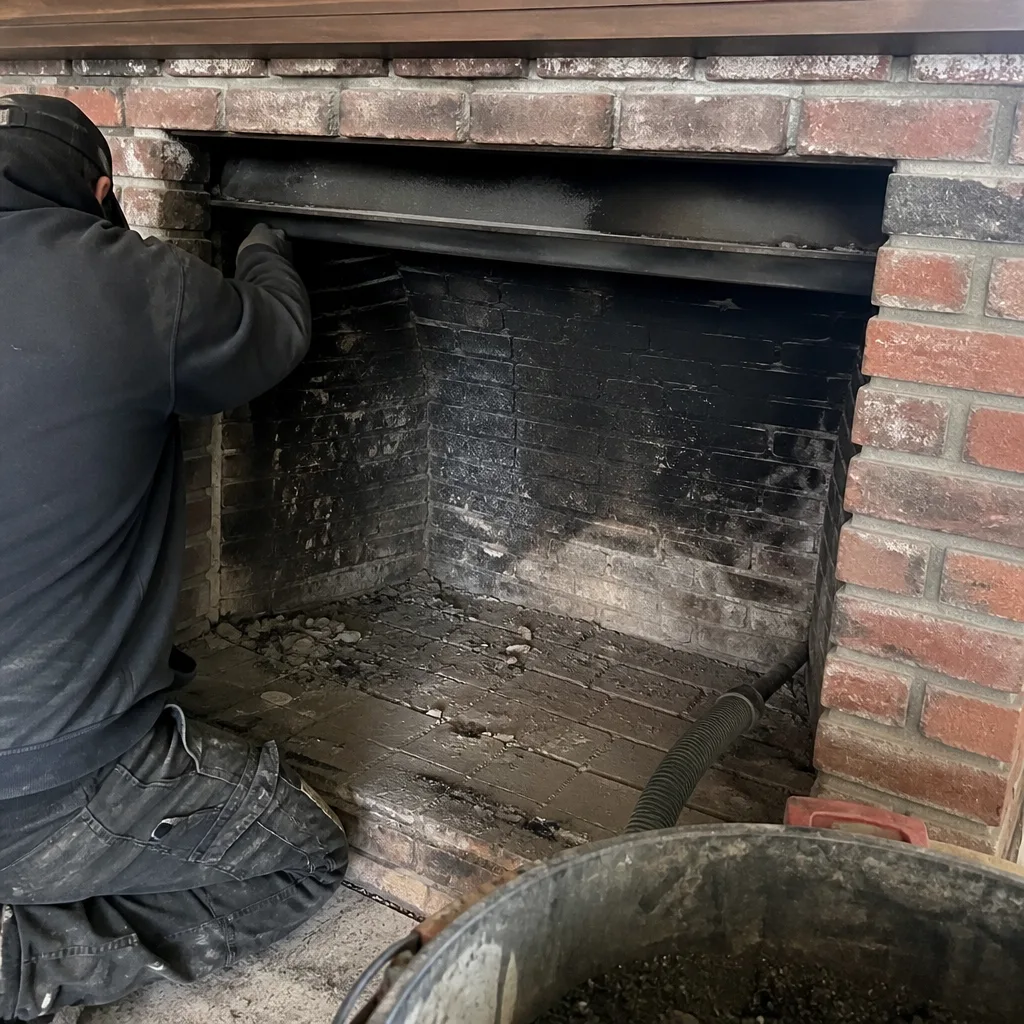 Before
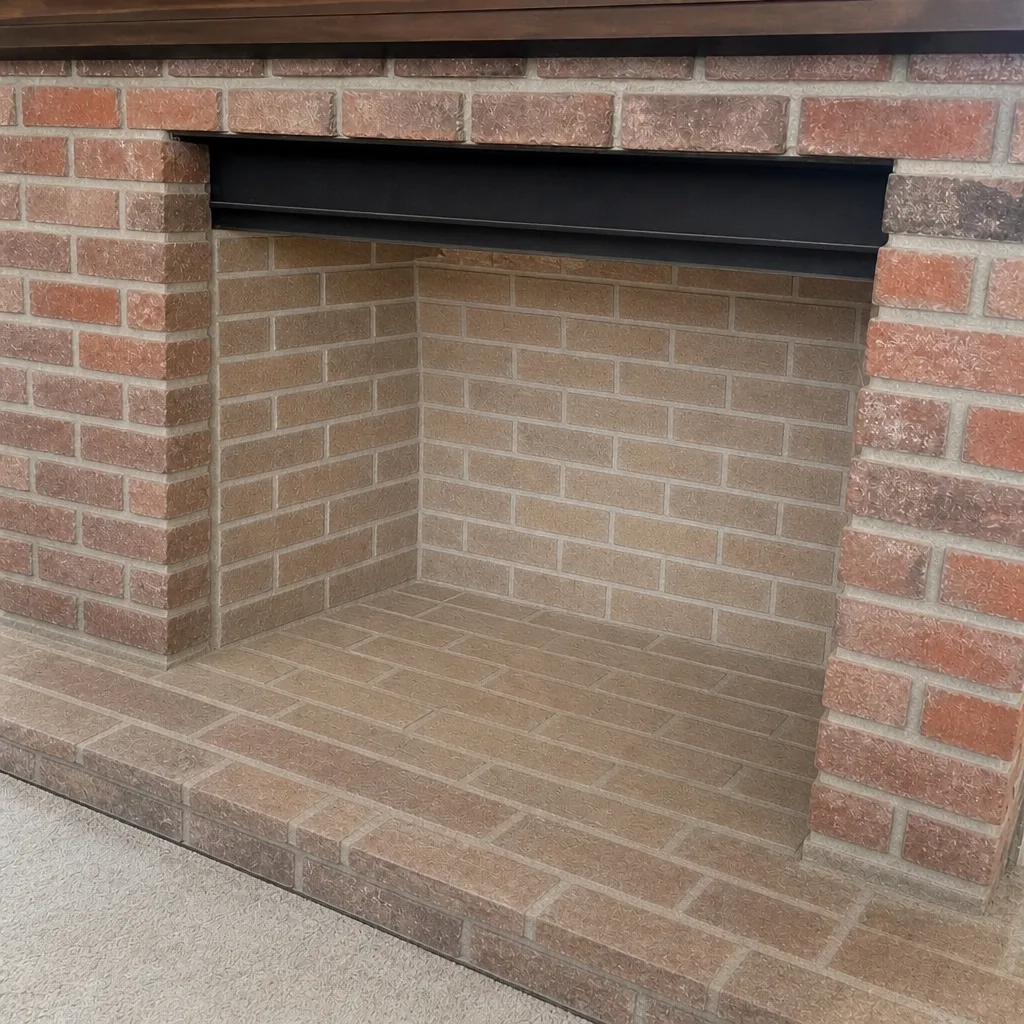 After
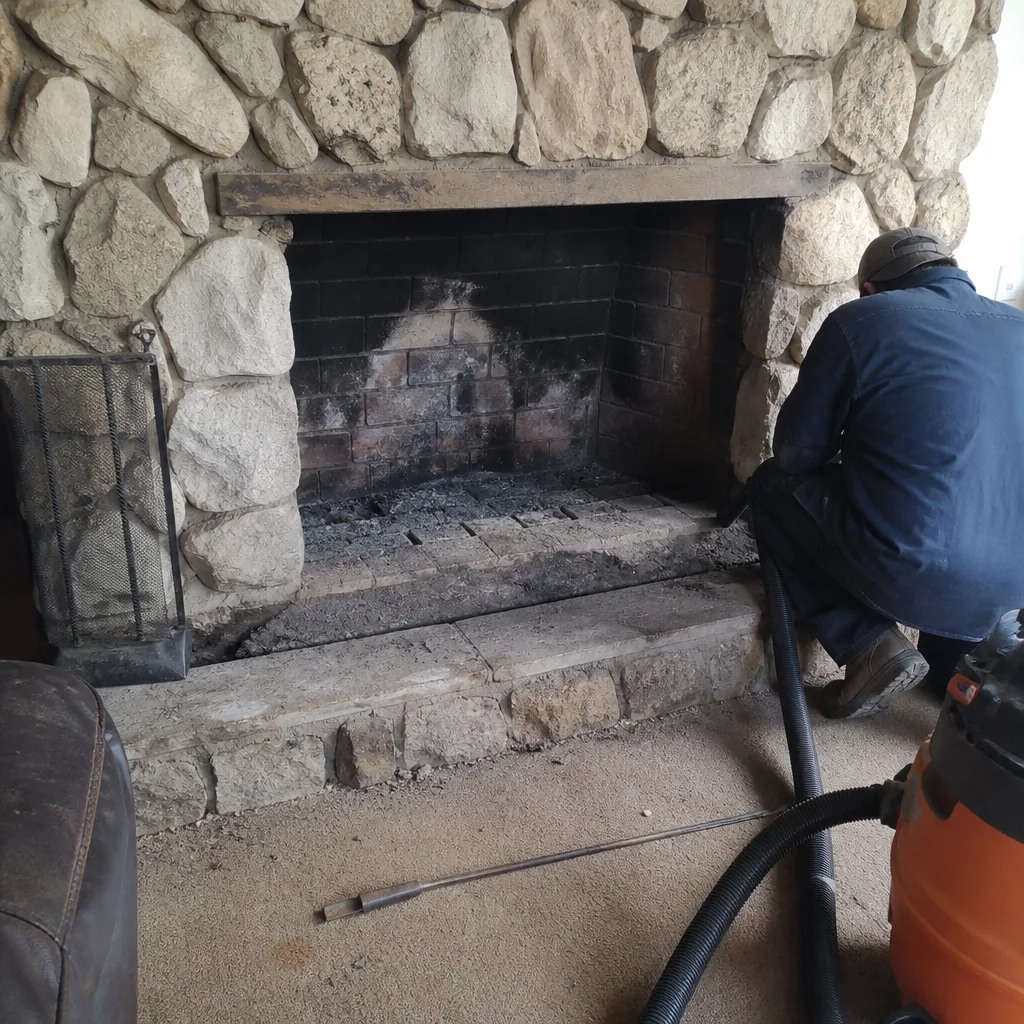 Before
 After
 Before
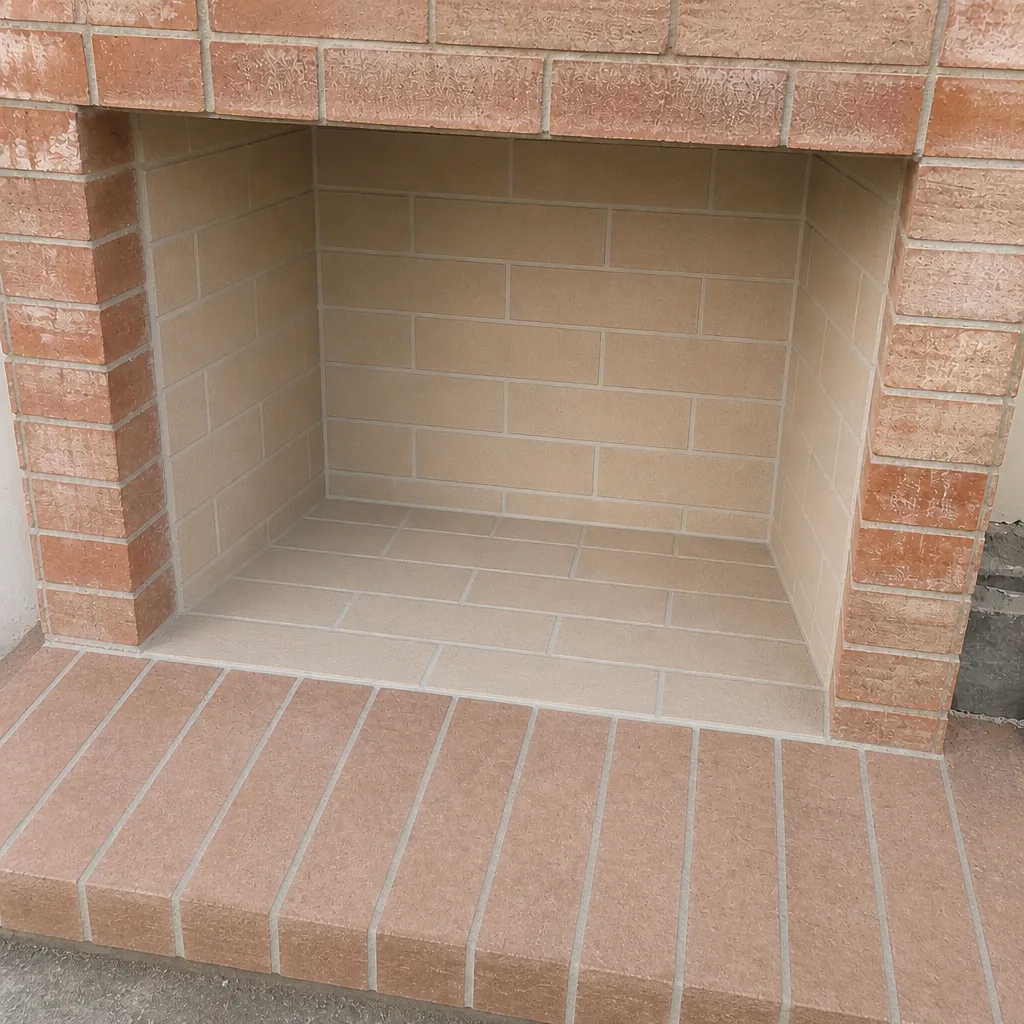 After