
Last updated November 4, 2026
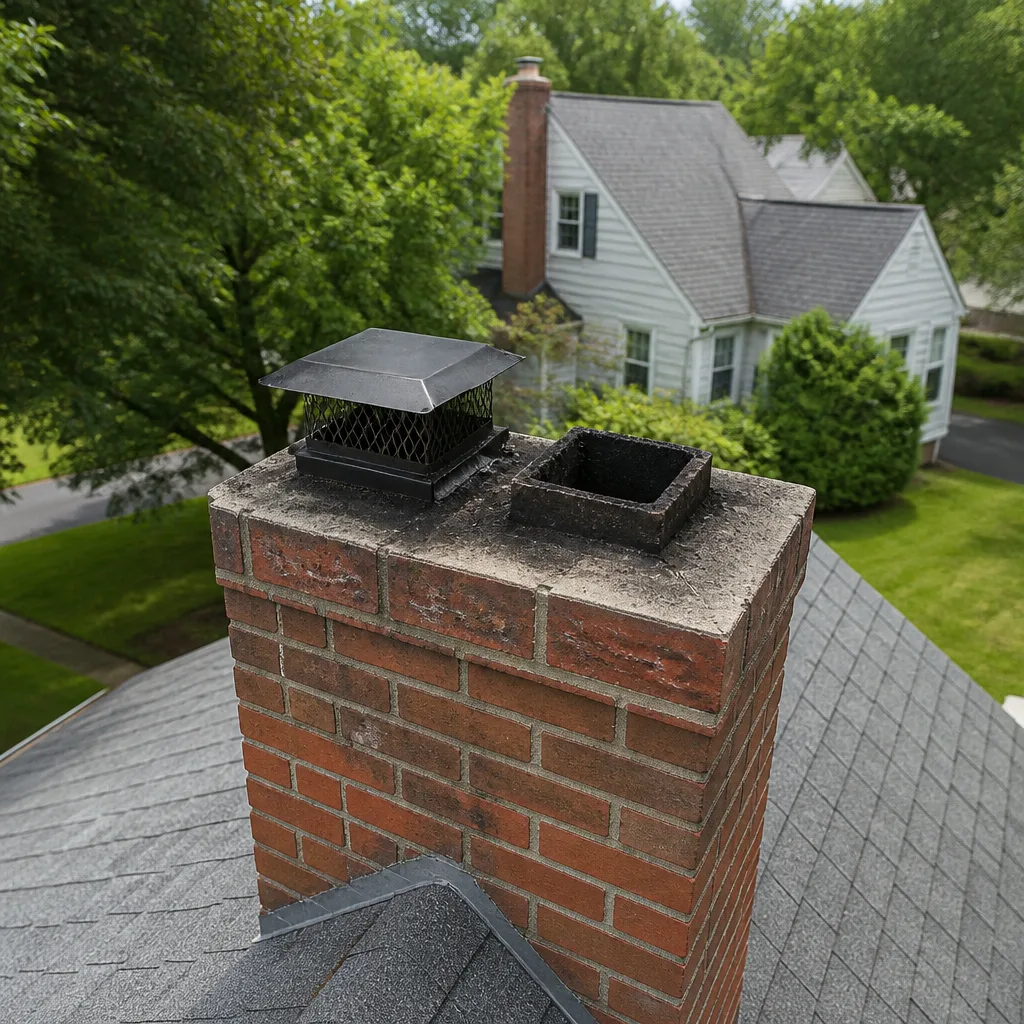 Sweep & inspection
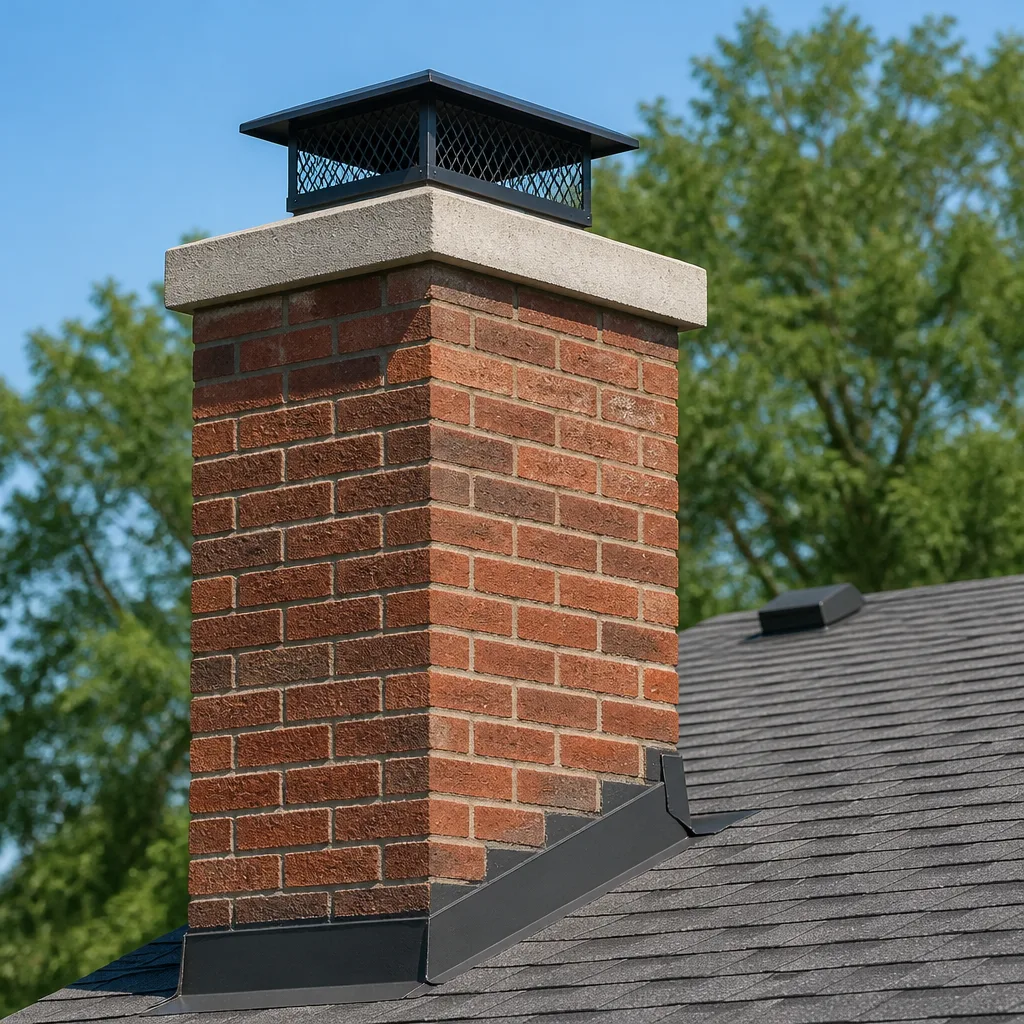 Caps & crowns
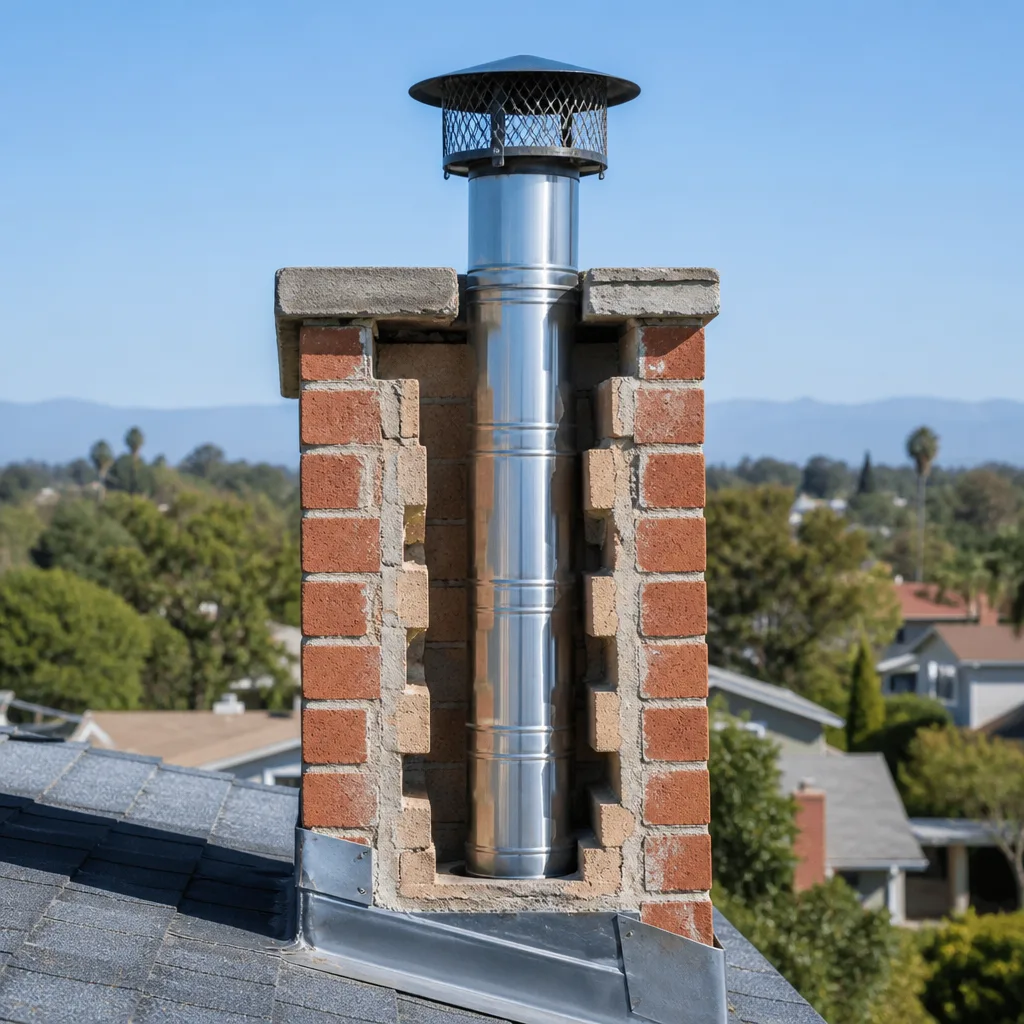 Flue relining
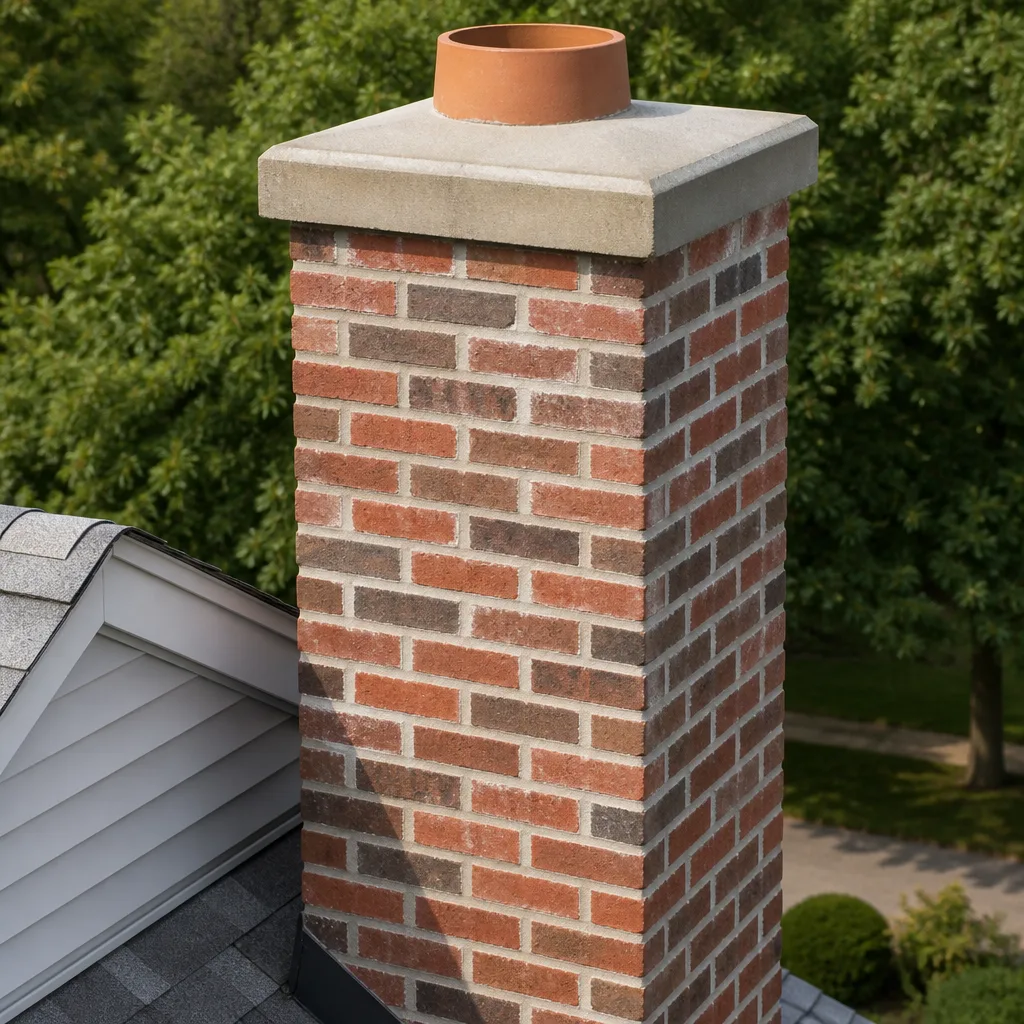 Masonry repair
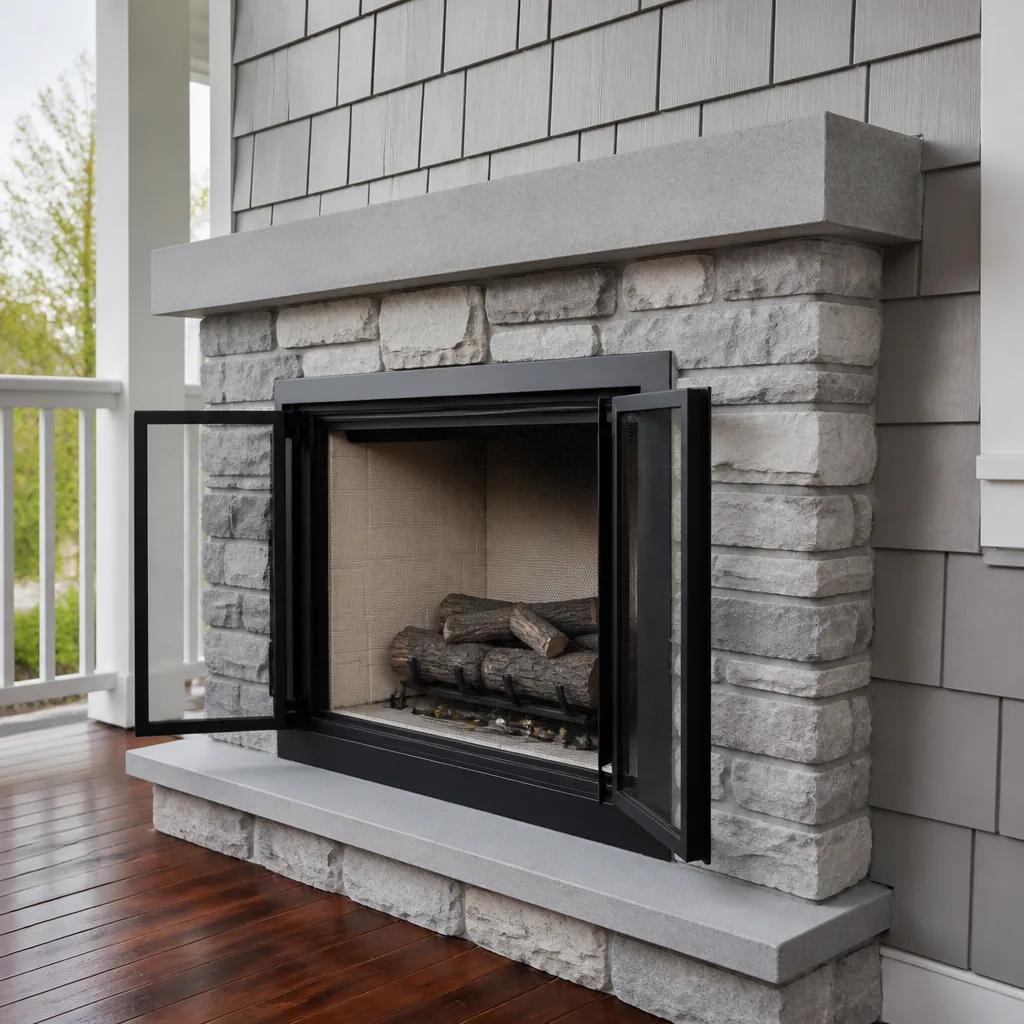 Gas fireplace service
Level 1 sweep and inspection to the NFPA 211 annual standard - flue, crown, cap, and flashing checked and photographed
Chimney sweep logs do not sweep chimneys. They loosen some creosote - which then falls where a brush and vacuum still have to collect it.
Chimney Cleaning Emergency Preparedness Guide for Camarillo Homes
Most Camarillo homeowners think of a chimney as an exhaust pipe. A fire burns, smoke rises, and the flue carries it out. That’s true on a normal evening with the damper open and a clean liner. But during wildfire season, the logic reverses. Your chimney becomes an intake. Embers don’t need to land on an open vent to cause trouble, they can be pulled into damaged or uncapped flues by the same draft that normally pushes smoke out. This guide explains what that means for your home, what to do in the first minute of a chimney fire, and why the preparation that matters most is documentation, not just cleaning.
Quick Answer
Chimney emergency preparedness in Camarillo means three things: a properly installed spark arrestor cap to block ember intrusion during wildfire season, a clear response plan for the first 60 seconds of a chimney fire, and documented inspection records showing your liner’s condition before any damage occurs. A chimney sweep that includes a camera inspection is the fastest way to establish all three.
Styles & brands we work with
- Sweep & inspection
- Caps & crowns
- Flue relining
- Masonry repair
- Gas fireplace service
Table of Contents
- Wildfire Ember Intrusion: The Cap and Spark Arrestor Specs That Actually Block Embers
- Chimney Fire Response: What to Do in the First 60 Seconds
- Post-Chimney-Fire Rules: Why a Level 2 Camera Inspection Is Non-Negotiable
- Gas Appliance Venting Emergencies: Carbon Monoxide Risks in Camarillo Homes
- What to Document Before Any Emergency
- Seasonal Readiness Calendar for Camarillo
- Common Mistakes to Avoid
- When to Call a Professional
- Frequently Asked Questions
Wildfire Ember Intrusion: The Cap and Spark Arrestor Specs That Actually Block Embers
During the 2018 Woolsey Fire, homes in nearby Ventura County experienced ember intrusion through uncapped or damaged chimney flues. Embers entered attic spaces and firebox cavities through openings that a correctly installed spark arrestor cap would have blocked. The lesson for Camarillo is straightforward: the chimney cap is not decorative hardware. It is the only barrier between a wind-driven ember and the combustible framing around your flue.
What actually blocks an ember? A spark arrestor with mesh openings no larger than 5/8 inch, and ideally 1/2 inch, mounted inside a cap that covers the full flue opening. Anything larger lets burning debris through. Anything smaller clogs quickly with creosote and restricts draft. We install Gelco chimney caps with integrated spark arrestors on Camarillo homes because the mesh is sized for ember protection without choking the flue during normal operation.
Inspection after any regional fire event is not panic, it is procedure. Even if the fire never crossed into Camarillo, ember storms travel miles. After a wildfire nearby, check from the ground for visible cap damage, missing mesh, or debris on the rain pan. If you see anything questionable, or if you simply need certainty before the next red flag warning, a camera inspection documents what the eye cannot reach.
One more Camarillo-specific note: our mild winters mean caps are rarely damaged by snow or ice. The threats here are wind, ember exposure, and time. A cap installed in 2015 has been through ten fire seasons. The mesh corrodes, fasteners loosen, and the screen gaps open. If you cannot remember the last time someone actually inspected the cap, not just swept the flue, that is the next call to make.
Chimney Fire Response: What to Do in the First 60 Seconds
A chimney fire announces itself. You will hear a sound like a freight train or a low roar coming from the flue. You may see flames shooting from the top of the chimney, or dense smoke inside the firebox. In that first minute, the instinct to throw water on the fire is wrong. Water on a hot flue creates thermal shock that can crack the liner and turn a contained fire into a structural one.
Here is the sequence that keeps a chimney fire from becoming a house fire:
- Close the damper fully. This cuts the oxygen supply from the firebox side. The fire in the flue will starve, though not instantly.
- Cut the heat source. Close the fireplace doors if you have them. Do not add anything to the fire.
- Evacuate everyone from the home. A chimney fire can break through a cracked liner into wall cavities faster than anyone expects.
- Call 911 from outside. The dispatcher needs to know you have a chimney fire, not just a fireplace issue. Firefighters treat these differently than a room-and-contents fire.
- After the fire department clears the scene, do not use the fireplace again. Not that evening, not the next day. The flue must be inspected with a camera before another fire is lit.
We have responded to Camarillo homes after chimney fires where the firebox looked completely normal. The damage was inside the flue, invisible from the hearth. A liner can crack, the mortar joints can open, and the first indication of either would have been the next fire finding its way into the house. The fire department will tell you the same thing: the fire is not over until a professional has looked inside the flue.
Post-Chimney-Fire Rules: Why a Level 2 Camera Inspection Is Non-Negotiable
A chimney that has experienced a flue fire cannot be used again until a Level 2 inspection with a video camera confirms the liner is intact. This is not a recommendation. It is the rule. The heat of a chimney fire can reach temperatures that warp stainless steel, crack clay tiles, and compromise the mortar between liner sections. Visual inspection from the firebox or the roof cannot see any of that.
What the camera shows us after a chimney fire:
- Cracked or spalled clay liner tiles, which expose the flue walls to direct heat transfer.
- Warped stainless steel liners, common in homes where a previous owner installed a flexible liner without documenting it.
- Opened mortar joints where creosote accumulated and then burned, leaving gaps for the next fire to find.
- Creosote that melted and re-hardened into a glaze that a standard brush cannot remove.
In our experience, the most common outcome after a rooftop fire is not a full rebuild. It is a liner issue that can be addressed through resurfacing with HeatShield, a product we apply to damaged flue walls to restore a continuous, insulated surface. When the damage is too extensive, we install a DuraFlex flexible liner system as a full replacement. The point is that you cannot know which path applies until the camera shows the actual damage. Nothing gets recommended without evidence you can see for yourself.
Camarillo homes built in different decades have different liner materials. The camera inspection is the only way to know what you are working with. We treat every post-fire inspection as a documentation step. The video and written report become part of your file, useful for insurance claims and for the next owner of the home.
Gas Appliance Venting Emergencies: Carbon Monoxide Risks in Camarillo Homes
Wood-burning fireplaces are not the only emergency vector. Camarillo has a substantial number of homes with gas inserts and gas fireplace heaters, and those vent differently. A blocked gas flue does not produce the dramatic roaring fire of a creosote burn. It produces carbon monoxide, which is odorless, colorless, and builds silently in a closed room.
Signs of a blocked or damaged gas vent to take seriously:
- Soot accumulating around the fireplace surround or on the glass.
- A gas smell that persists after the fireplace has been lit for several minutes.
- Moisture or staining on the wall above the fireplace.
- Headaches, nausea, or fatigue that appear when the fireplace runs and fade when it is off.
- Pilot lights that repeatedly go out without explanation.
None of these symptoms prove carbon monoxide exposure. They are the reasons to stop using the appliance and have it checked. The testing equipment a certified technician brings measures draft, confirms the vent is drawing properly, and identifies blockages that a visual inspection would miss.
We handle gas venting as part of our standard chimney sweep because the flue serves the same purpose whether the fuel is wood or gas. The differences are in what accumulates. Gas systems do not produce creosote the way wood fires do, but they can produce acidic condensate that corrodes metal liners over years. Homes near the Camarillo hills, where gas fireplaces run frequently during the cooler months, should not assume that a gas appliance means no maintenance.
What to Document Before Any Emergency
When an emergency happens, the last thing anyone wants to do is reconstruct maintenance history. The time to build the file is before you need it. For Camarillo homeowners, this matters for two reasons: insurance claims after any fire-related damage, and the speed at which a contractor can triage your situation if you call with a problem.
Here is what should be in your chimney file:
- Last inspection date and findings. The report should specify liner type, condition, and any recommended follow-up.
- Last cleaning date. Fire departments and insurance adjusters both ask this question. Having it documented creates a clear maintenance trail.
- Liner material and condition. Clay tile, stainless steel, or a HeatShield resurfaced liner are different situations. Knowing which you have changes the urgency of any repair conversation.
- Cap and spark arrestor status. Photo documentation of the cap, from the ground or roof, makes post-fire inspection comparisons much faster.
- Repair history. Any work done on the firebox, damper, crown, or flashing. If a DuraFlex liner was installed, note the date.
- Insurance contact and policy number. Having this in the same file as inspection records means one call, not three searches, when you need to file.
We see a pattern in Camarillo: homeowners who keep good records resolve issues faster. Not because the work is different, but because they can tell us exactly what was there before. That turns a two-visit diagnosis into a one-visit answer. For insurance, a documented inspection history demonstrates maintenance, which matters when a claim is filed.
Seasonal Readiness Calendar for Camarillo
Camarillo’s climate does not require winterizing a chimney the way colder regions do. No freeze-thaw cycles to worry about. What it does have is a distinct dry season that coincides with wildfire threat, and a cooler season where fireplaces and gas inserts see regular use. That two-season rhythm creates a natural maintenance schedule.
Late summer and early fall, before the Santa Ana season:
- Schedule the chimney sweep and inspection. This is the start of fireplace season in Camarillo, and it comes right before the windy season that drives wildfire risk.
- Have the cap and spark arrestor inspected with a camera or from the roof. This is not a visual check from the ground.
- Run a dryer vent cleaning if it has been more than a year, or if the dryer has started taking longer to dry clothes. Lint buildup is a year-round fire risk independent of fireplace use.
During the rainy season and cooler months:
- After any major wind event, check for visible cap damage or debris.
- If you burn wood, track how quickly creosote builds. Homes that burn frequently may need a mid-season sweep.
- If the fireplace smokes back into the room, stop using it and call for an inspection. That is not a normal condition in a functioning flue.
Spring and summer:
- This is the best window for repair work. Fireplace season is over, and masonry repairs, liner work, and cap replacements happen without interrupting evening fires.
- If a chimney fire or a nearby wildfire event occurred, schedule the post-event camera inspection now, not during the next burn season.
Common Mistakes to Avoid
- Assuming the cap from the original construction is still functional. Mesh corrodes, fasteners loosen, and ember gaps widen over years. A 15-year-old cap on a Camarillo home needs replacement, not just acknowledgment.
- Using water on an active chimney fire. Thermal shock cracks the liner, and the result can be a wall fire rather than a contained flue fire. Close the damper and evacuate.
- Lighting a fire after a chimney fire because “it seemed fine.” The visible parts may be intact while the liner behind them is compromised. The camera inspection is the only way to clear a flue for use after a fire.
- Treating gas fireplaces as maintenance-free. Gas appliances vent through a flue that can corrode and block, and carbon monoxide does not announce itself. Annual inspection applies to gas systems too.
- Waiting until fall to schedule a sweep. Camarillo’s busy season for chimney work is September through November. Booking in late summer gets you on the calendar before red flag warnings and holiday evenings start.
- Neglecting the dryer vent because it is not a chimney. A clogged dryer vent is a fire hazard with the same failure mode: heat plus combustible material in a confined space. Both belong in the same maintenance file.
- Thinking a spark arrestor cap means you are permanently protected. Caps need inspection and replacement like every other component. The 2018 Woolsey Fire showed that the barrier only works if the mesh is intact and sized correctly.
When to Call a Professional
Call when you hear a roaring sound from the flue, see flames from the chimney top, or smell smoke inside the house when the fireplace is not in use. Call when the gas fireplace produces soot, moisture, or pilot light failure you cannot explain. Call after any nearby wildfire event if you have not had the cap inspected recently. Call before you light the first fire of the season if the last sweep was more than a year ago, or if you cannot find the record of the last sweep. Chimney Sweep Camarillo offers free estimates in Camarillo, call (833) 589-9263. We answer 24/7. Fast dispatch from 7am to 7pm, Sunday through Friday.
Frequently Asked Questions
A chimney that burns wood should be swept at least once per year, or more often if the fireplace sees heavy use between November and March. Gas fireplace venting should be inspected annually. The climate in Camarillo keeps fireplaces in regular use through the cooler months, which means creosote accumulates on a consistent schedule. If you burn frequently, a mid-season check is worth the call. Call (833) 589-9263 to schedule an estimate.
A spark arrestor cap blocks burning embers from entering the flue and landing on combustible surfaces inside the chimney chase or attic. The mesh must be sized correctly, 1/2 to 5/8 inch openings, to stop embers without restricting draft. Chimney Sweep Camarillo specifies caps with integrated arrestors sized for ember protection, and we inspect the mesh as part of every chimney sweep.
A standard chimney sweep in Camarillo typically costs between $180 and $320 depending on the flue condition, accessibility, and whether a camera inspection is included. Repairs, liner work, and cap replacement are separate line items quoted by written estimate. The estimate is free, and the written quote sets the final price. Call (833) 589-9263 for an exact quote.
No. A chimney fire can damage the liner, mortar joints, and firebox without leaving visible signs from the hearth. The flue must be inspected with a camera before another fire is lit. We perform post-fire Level 2 inspections and document everything for insurance purposes. Call (833) 589-9263 to get on the schedule.
Gas fireplaces need annual venting inspection, though they do not require sweeping the way wood-burning systems do. The risk is corrosion and blockage rather than creosote. Homes in Camarillo with gas inserts should have the venting checked for draft, condensation damage, and carbon monoxide clearance. Our chimney sweep service covers gas venting inspection.
Keep the last inspection date, the liner type and condition, the last cleaning date, documentation of any cap or spark arrestor work, and a record of any repairs. If an emergency happens, this file determines how quickly insurance responds and how fast a contractor can diagnose the problem. The dryer vent cleaning record belongs in the same file, since both are fire-safety systems serving the same home.
The Bottom Line
Emergency preparedness for Camarillo chimneys is about seeing the chimney correctly. It is not just an exhaust pipe, it is a potential intake during wildfire season, a structural system that can fail invisibly after a flue fire, and a gas venting pathway where failure shows up as carbon monoxide rather than smoke. Preparation means having the right cap installed and inspected, knowing the first-minute response to a chimney fire, keeping documentation current, and following the post-fire rule: no fire until a camera says the flue is whole. That is the difference between a scare and a loss.
Written by the team at Chimney Sweep Camarillo, serving Camarillo since 2015.
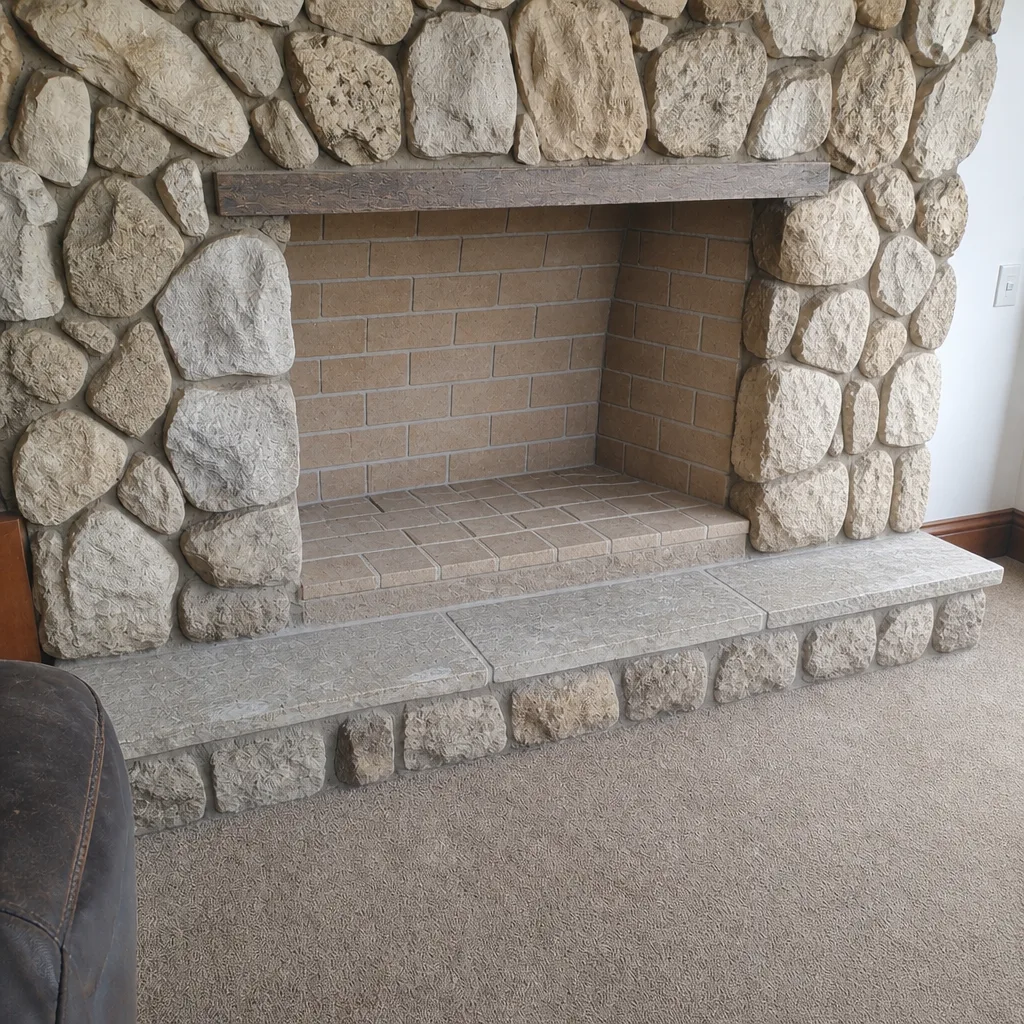
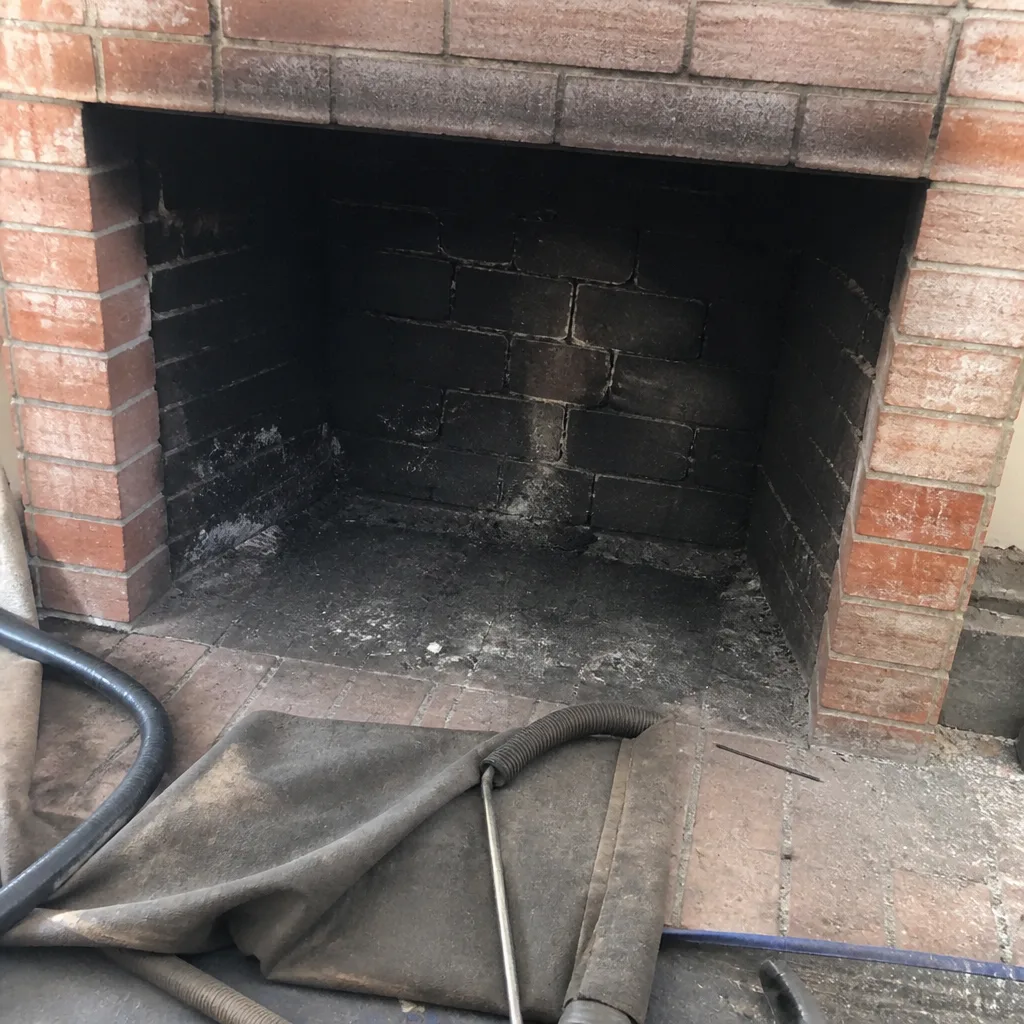
See the difference
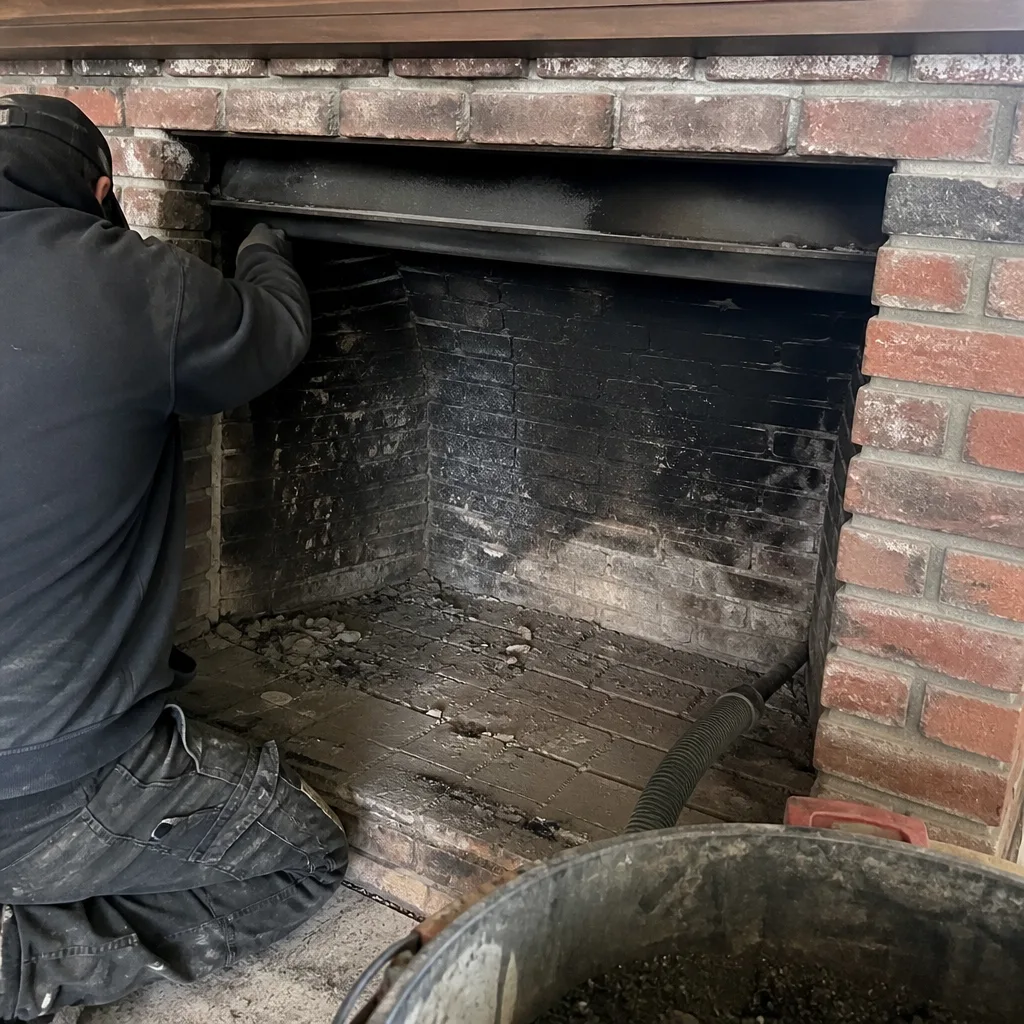 Before
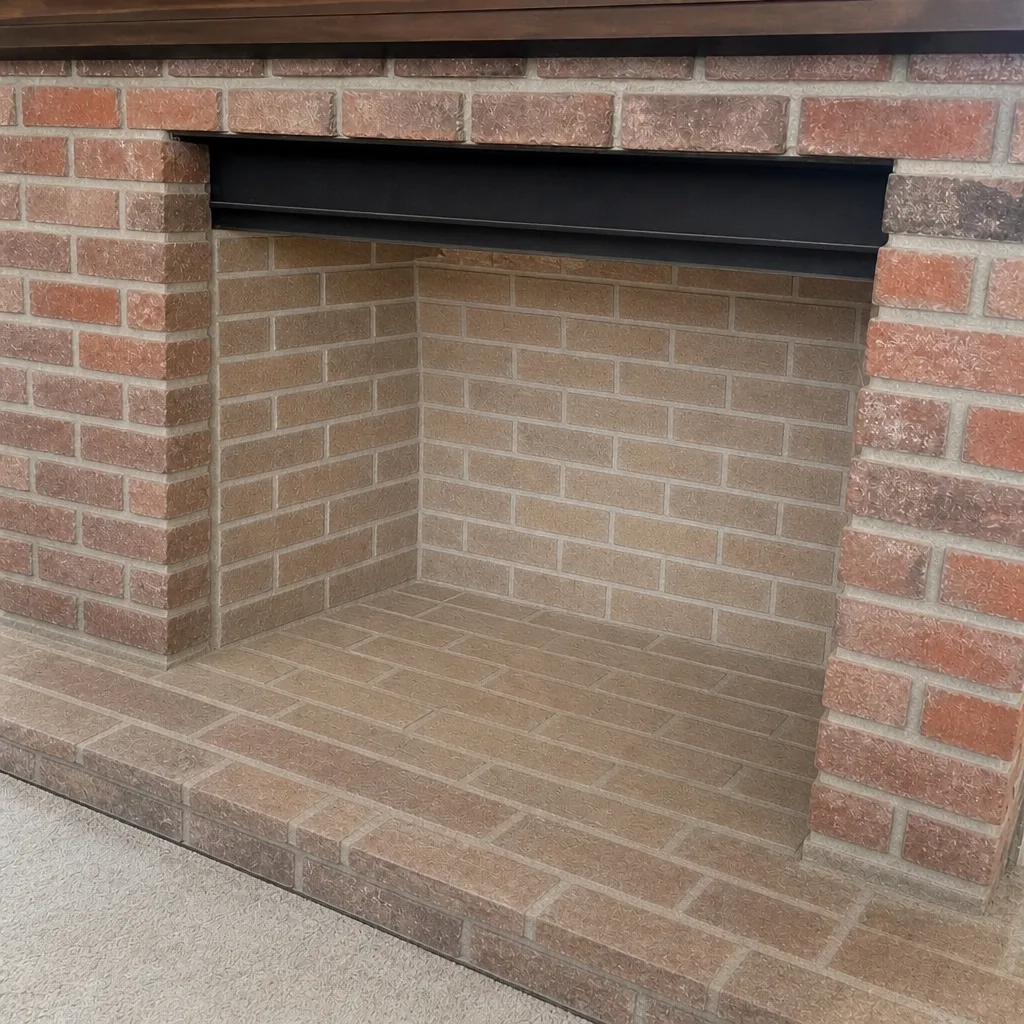 After
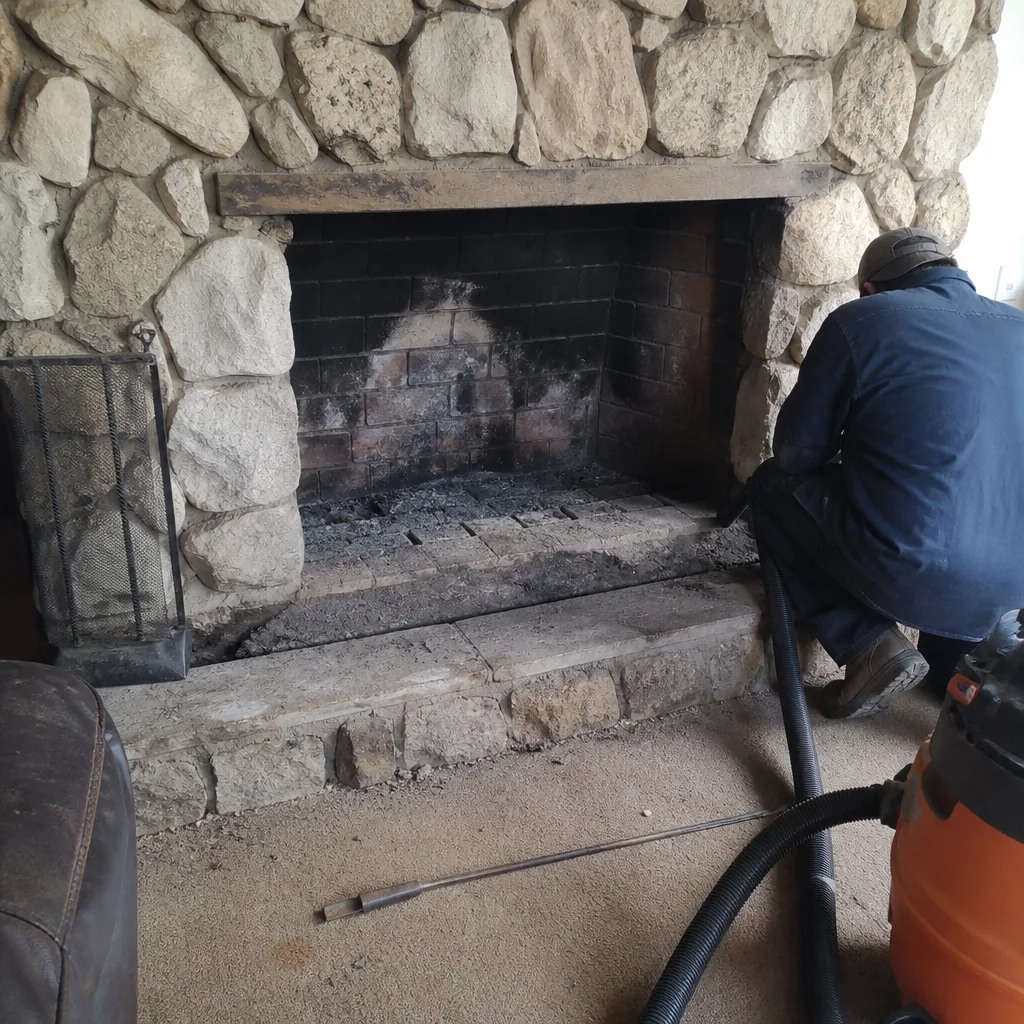 Before
 After
 Before
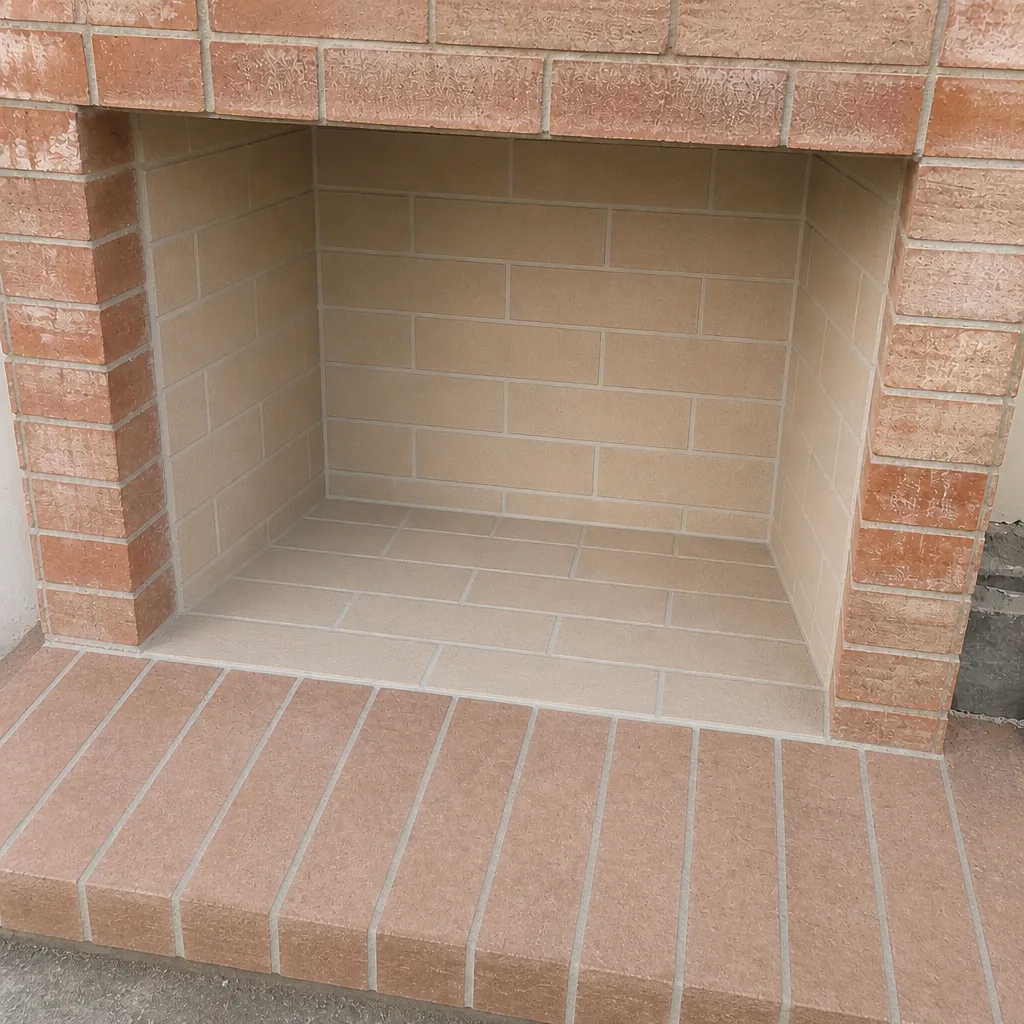 After