
Last updated November 4, 2026
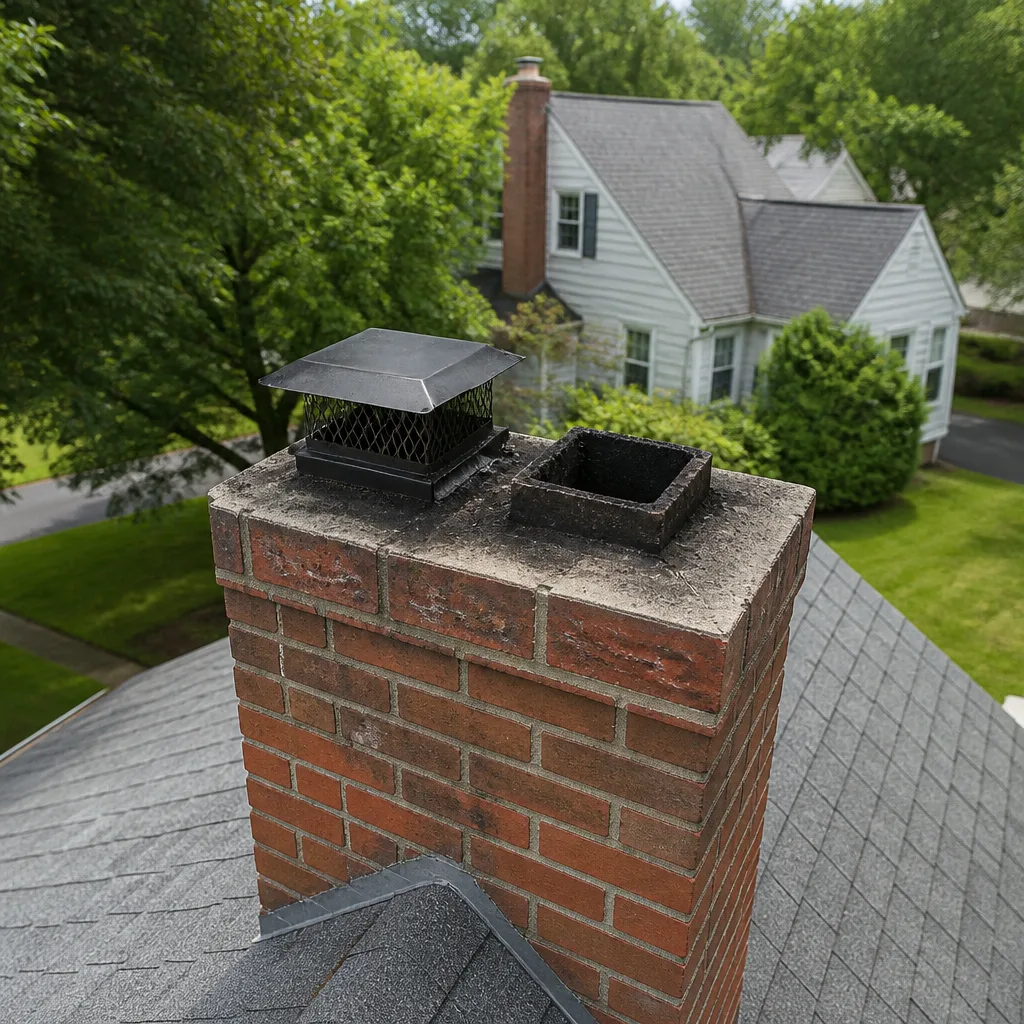 Sweep & inspection
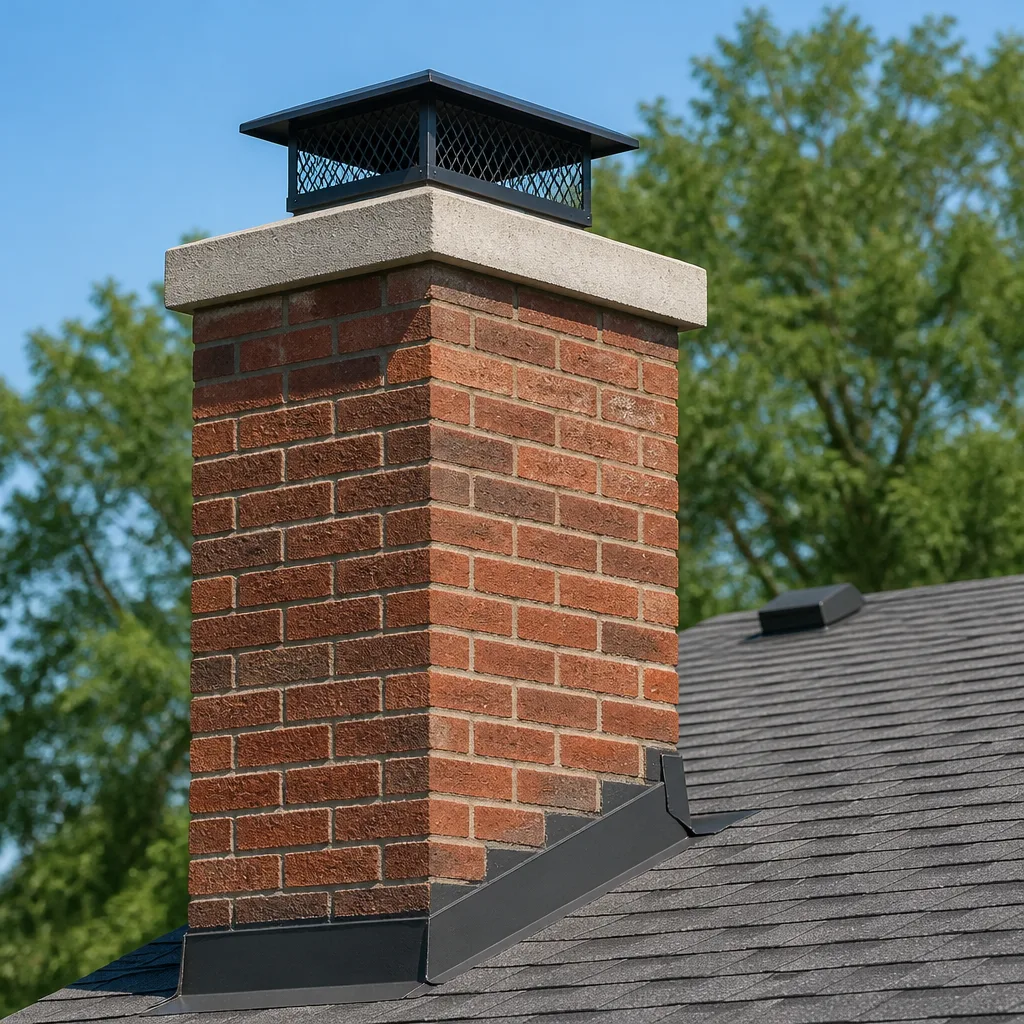 Caps & crowns
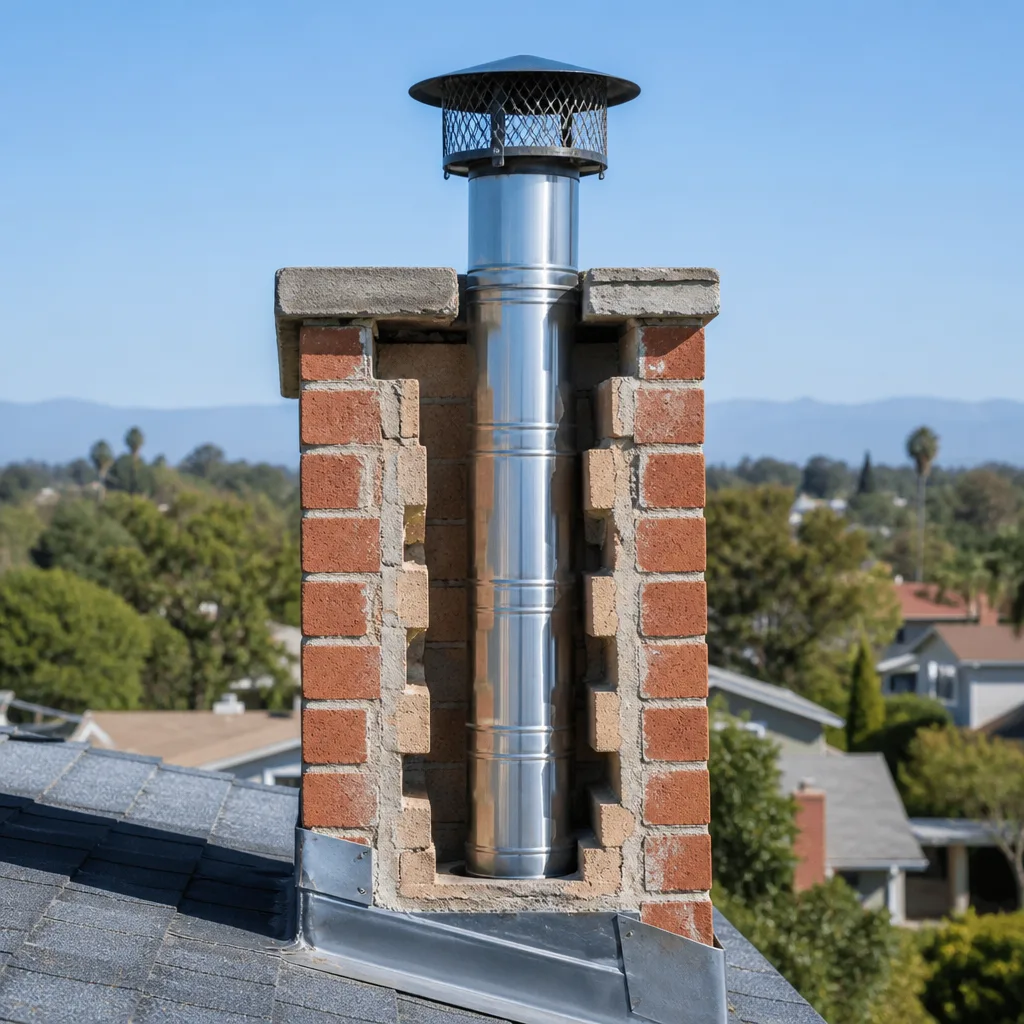 Flue relining
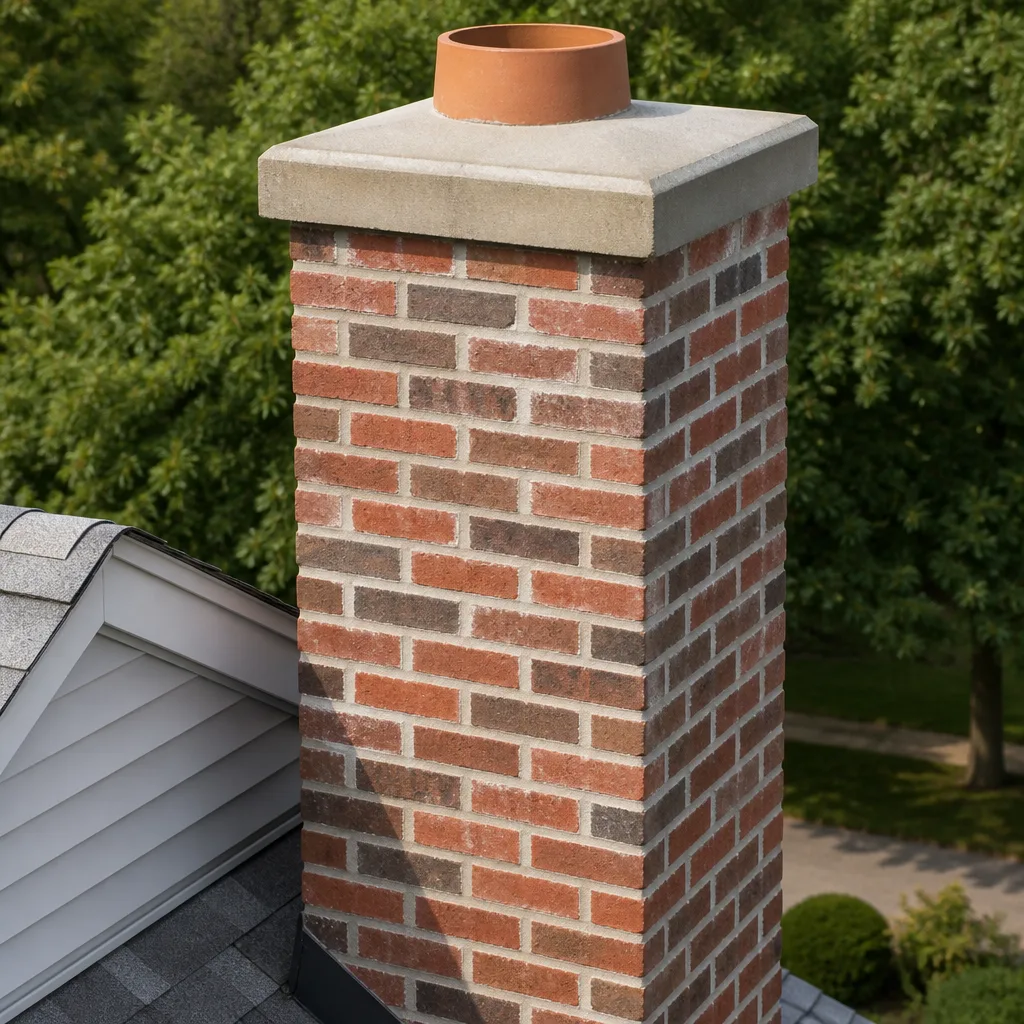 Masonry repair
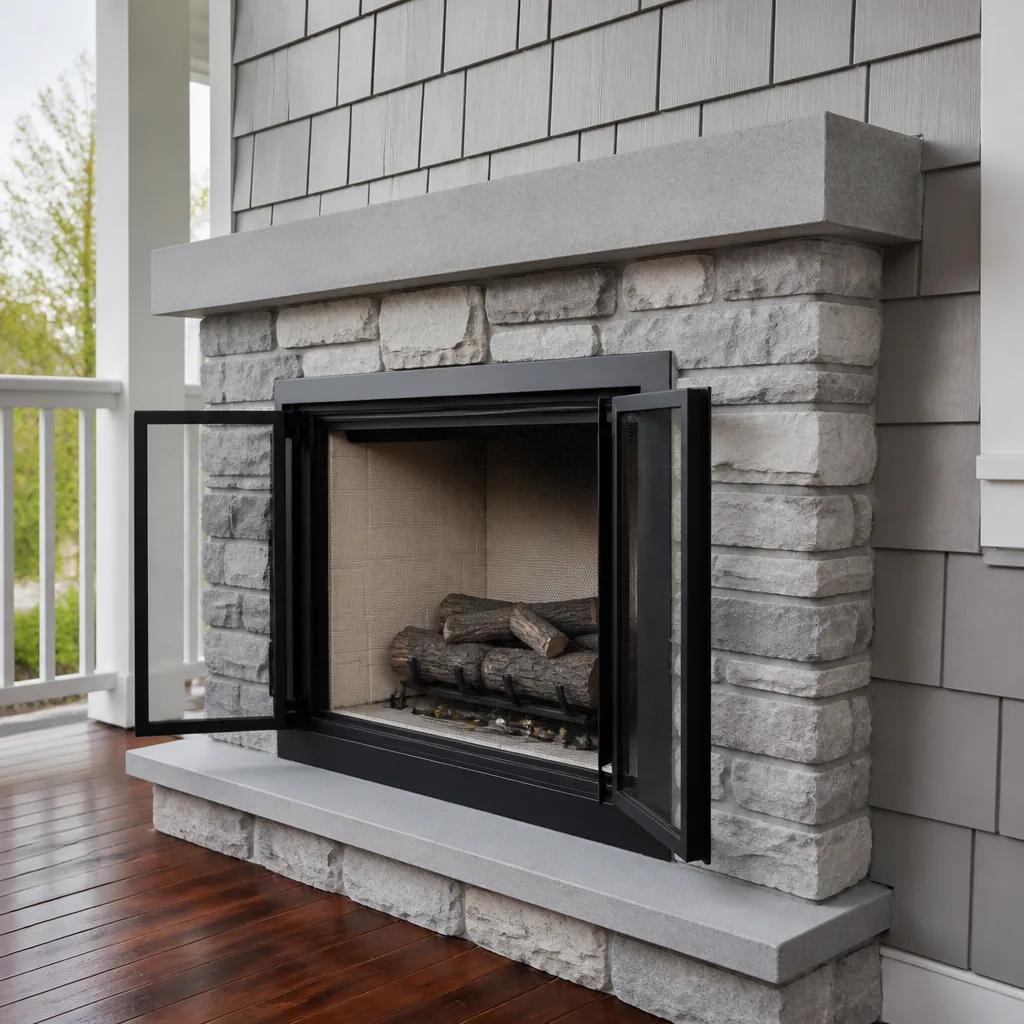 Gas fireplace service
Level 1 sweep and inspection to the NFPA 211 annual standard - flue, crown, cap, and flashing checked and photographed
Chimney sweep logs do not sweep chimneys. They loosen some creosote - which then falls where a brush and vacuum still have to collect it.
DIY vs Professional Chimney Cleaning: The Camarillo Homeowner’s Decision Guide
The chimney brush hanging on the pegboard at the hardware store will knock loose first-degree soot from a straight flue. It won’t tell you there’s a cracked tile at the third bend, and it won’t touch second-degree tar-like deposits, which is exactly where chimney fires start. This guide walks through what DIY cleaning can honestly accomplish in Camarillo homes, what it cannot, and how to know which path your fireplace actually needs. You’ll learn the three conditions that make DIY inappropriate regardless of how handy you are, what a camera inspection reveals that a brush never will, and the insurance reality if a fire happens without a professional cleaning record.
Quick Answer
DIY chimney cleaning is a reasonable option only when you have a straight, accessible flue with light first-degree soot, no prior repair history, and a recent camera inspection confirming the liner is sound. If you see second or third-degree creosote, have any history of chimney repair, or haven’t had a camera inspection, hire a professional chimney sweep. The equipment gap, the assessment gap, and the liability gap all favor professional cleaning for most Camarillo fireplaces.
Styles & brands we work with
- Sweep & inspection
- Caps & crowns
- Flue relining
- Masonry repair
- Gas fireplace service
Table of Contents
- What DIY Chimney Cleaning Can Actually Accomplish
- The Three Conditions That Make DIY Inappropriate
- The Equipment Gap: Rotary Systems vs. Brushes
- Why Liner Condition Requires a Camera, Not a Glance
- The Insurance Gap: What Happens Without a Professional Record
- A Decision Framework for Camarillo Homeowners
- Common Mistakes to Avoid
- When to Call a Professional
What DIY Chimney Cleaning Can Actually Accomplish
Let’s start with the honest answer: DIY chimney brushing is a real option for a narrow set of conditions. Understanding those conditions, and recognizing when you’re outside them, is the difference between routine maintenance and gambling with your house. Here’s what a homeowner with a basic brush kit can genuinely accomplish.
First-degree creosote is loose, dusty soot that brushes off easily. It forms during normal wood burning and typically collects on the flue walls as a fine black powder. If that’s all you have, and your flue is a straight run from firebox to cap, a standard wire brush can remove a meaningful portion of it. This is genuinely useful maintenance that keeps airflow moving and reduces the fuel load inside your chimney. The key phrase is straight run. In a simple masonry chimney with no bends, no offset, and no liner complications, the brush travels cleanly from top to bottom and does what it’s designed to do.
You also need access. A roof-mounted brushing job means climbing onto your roof in Camarillo, setting up safely on whatever pitch you have, and working from a ladder or ridge. If your roof is walkable and you’re comfortable working at height, this is within reach. If it’s steep, or if you have a multi-story home in a neighborhood like Spanish Hills or the older sections near downtown Camarillo where rooflines vary, access becomes a genuine safety question, not just a convenience one.
The honest summary: DIY works for light soot in simple, straight, accessible flues with no history of problems. That’s a real category of fireplace. Plenty of Camarillo homes fall into it. But the category is narrower than hardware-store packaging suggests, and the consequences of misjudging it are severe. Here’s why.
What DIY Brushing Actually Removes
- Loose first-degree soot: powdery black residue that brushes off with friction
- Light ash accumulation: from typical wood burning over one season
- Small debris: leaves, twigs, and the occasional bird nesting material near the cap
- Surface dust in the firebox: easy to vacuum or scoop by hand
What DIY Brushing Cannot Touch
- Second-degree creosote: the shiny, tar-like glaze that is precisely the material most likely to ignite
- Third-degree creosote: hardened, baked-on carbon that resembles asphalt and requires chemical treatment or professional rotary removal
- Cracked flue tiles: invisible without a camera, and brushing won’t fix them
- Offsets and bends: places where the flue changes direction, where a straight brush simply doesn’t make full contact
If you’re in Camarillo and burning wood regularly during the cooler months, you should know that staging matters. Creosote progresses from first to second to third degree depending on burn temperature, wood moisture, and frequency of use. What starts as brushable soot in October can become a hardened glaze by February if you’ve been burning green wood or running low, smoldering fires. A tool that worked for you in the fall may be completely inadequate by spring.
The Three Conditions That Make DIY Inappropriate
Some situations make do-it-yourself chimney cleaning the wrong call regardless of your skill level, regardless of your tool collection, and regardless of how many YouTube videos you’ve watched. These aren’t preferences or matters of comfort. They are hard stop criteria. If any of these three conditions apply to your fireplace in Camarillo, put the brush down and call someone with professional equipment and the ability to document what they find.
1. Second or Third-Degree Creosote is Present
If you look up into your flue and see shiny, dark, glassy deposits rather than loose powder, that’s second-degree creosote. It’s flammable, it’s difficult to remove with hand tools, and attempting to brush it often leaves most of it in place while giving you the false impression that you’ve done something useful. Third-degree creosote is even worse: a hardened, tar-like coating that standard brushes skip across. Removing it properly requires professional rotary cleaning systems with chains or specialized heads, sometimes paired with chemical treatments. A homeowner armed with a hardware-store brush cannot safely or effectively address either stage. This is not a question of effort. It’s a question of tool capability.
2. Any Prior Repair History Exists
If your chimney has been repaired before, reconstructing the full context matters before you clean it yourself. A previous liner repair, a replaced flue tile, a resurfacing job like HeatShield, a mortar patch, or any structural remediation means your flue is no longer in original condition. That matters because brushing introduces friction in a confined space. If the prior repair is sound, brushing is fine. If it isn’t, you won’t know until something shifts or cracks further. And you won’t know because you can’t see the inside of your flue from the roof. A professional can assess repair integrity before cleaning begins, using a camera to confirm everything is stable. That assessment alone justifies the call.
3. No Recent Camera Inspection
This one catches a lot of homeowners. The thinking is: it’s a chimney, it looks fine from the outside, the brush will go in, soot will come out, done. But without a camera inspection, you have no way to know what’s actually inside. Hidden problems include cracked flue tiles, gaps in mortar joints, improper liner installation, animal nests, and structural shifting. None of these are visible from the top or bottom of the chimney. A camera inspection documents the condition of the liner before you clean, which protects you in two ways. First, it establishes a baseline so you can detect changes over time. Second, it proves that any damage found later wasn’t caused by your cleaning. If you clean first and discover a cracked tile afterward, you’re now in the position of explaining whether the crack pre-dated your work. Without a camera record, you can’t.
The Equipment Gap: Rotary Systems vs. Brushes
The difference between what a homeowner and a professional can physically do to a chimney flue isn’t a matter of technique. It’s a matter of equipment capability. Understanding that gap helps you evaluate whether DIY is genuinely equivalent or just cheaper.
A standard chimney brush, whether wire or poly, removes material by direct contact. The bristles scrape against the flue wall as you push and pull the rod. This works on loose, powdery material that gives way easily. It does not work on glazed or hardened creosote because the bristles simply slide across the surface without removing it. Think of trying to clean dried syrup off a counter with a dry paper towel. You’re making contact, but the material stays put.
Professional rotary cleaning systems work differently. A rotating head, often fitted with chains or specialized cutting elements, spins at high speed inside the flue. That rotation creates centrifugal force that drives the cleaning elements against the flue wall with far more energy than a hand-operated brush can generate. The result is material removal that reaches into crevices, breaks up hardened deposits, and cleans the full circumference of the flue, including the corners of square or rectangular liners that round brushes leave untouched. This is the standard equipment used by certified chimney sweeps, and it’s why professionals can clean flues that have gone years without maintenance.
There’s another equipment consideration: dust containment. A professional sweep in Camarillo brings a high-powered vacuum system that captures soot and creosote at the firebox opening, keeping the particulate out of your living room. A DIY brushing job without proper vacuum containment sends fine soot into your home’s air. That soot is not just a nuisance. Creosote dust is an irritant, and it settles into carpet, upholstery, and HVAC filters. The professional setup protects your indoor air quality in a way that an open-fireplace, brush-from-the-roof approach simply cannot.
And then there’s liner condition assessment. A rotary cleaning system doesn’t just clean better. It runs after a camera has documented the liner. The combination of camera inspection and rotary cleaning means the professional knows what the flue looked like before, what it looks like after, and whether the cleaning process revealed anything that needs attention. That’s a complete service. A brush alone is a partial one.
Why Liner Condition Requires a Camera, Not a Glance
Here’s a simple fact of chimney anatomy: you cannot see the inside of your flue. Not from the firebox, not from the roof, not with a flashlight and a mirror. The interior of a chimney flue is one of the least accessible spaces in your entire house, and the problems that develop there are exactly the ones that matter most for fire safety.
A cracked flue tile is not visible from the outside. Neither is a failed mortar joint, a separated liner section, or a hidden animal nest that’s partially blocked airflow. These conditions exist behind the surface of the chimney, in the space where smoke and heat travel, and they are invisible to anyone without a camera system designed for flue inspection.
Professional chimney sweeps use a video camera attached to a flexible rod, fed up from the firebox or down from the top. The camera records the entire length of the flue, showing every joint, every tile, every surface. This accomplishes several things at once. It documents the current condition of the liner for the homeowner’s records. It identifies problems before they become failures. It establishes a baseline that future inspections can be compared against. And it allows the sweep to make cleaning decisions based on actual conditions, not guesses.
For Camarillo homeowners, the camera inspection is particularly relevant because our housing stock varies widely. Some homes in this city are decades old, with original clay tile liners that have seen thousands of fires. Others have newer construction or recently replaced liners. Some have masonry chimneys. Some have manufactured fireplace systems with stainless steel flues. The camera tells the story of your specific chimney, and that story determines what cleaning approach is appropriate.
In our experience at Chimney Sweep Camarillo, the camera inspection is where homeowners learn things they had no idea about. A small crack that’s been there for years. A section of liner that was improperly installed before they bought the house. A chimney that was never actually connected the way they assumed. None of these discoveries are possible with a visual glance or a brush run. They require the camera, and they change the maintenance conversation entirely.
The Insurance Gap: What Happens Without a Professional Record
This section deals with a risk that most DIY discussions never mention, and it’s the one with the most expensive consequences. If a chimney fire occurs and you don’t have a professional cleaning record, what happens with your insurance?
The hard answer is that you are in a weaker position. Insurance claims after chimney fires typically involve an adjuster asking the same question: when was the last time this chimney was professionally cleaned and inspected? If your answer is that you did it yourself, with a brush from the hardware store, the claim process gets more complicated. The insurer may argue that the fire resulted from inadequate maintenance, which is a covered-cause problem in many policies. You may find yourself needing to prove that your DIY cleaning was as thorough as a professional service, and without documentation, you can’t.
A professional chimney sweep provides a written report. That report documents the date of service, what was found, what was cleaned, and what the condition of the liner was at the time. If a fire occurs later, that report is evidence that the homeowner exercised due diligence. That’s not a guarantee that a claim will be paid, but it eliminates the most common dispute: the argument that maintenance was neglected.
This is not an argument against ever cleaning your own chimney. It’s an argument for understanding the tradeoff. DIY cleaning saves money in the short term and leaves you with no paper trail. Professional cleaning costs more and leaves you with documentation that matters if the worst happens. For most homeowners, the documentation alone is worth the cost of the sweep, even setting aside the superior cleaning results.
In Camarillo, where the burning season is shorter than in colder climates, some homeowners assume that a less intense fire season means lower risk. The opposite can be true. Infrequent use, combined with green or improperly seasoned wood, produces more creosote per fire than clean, hot burns in a well-used chimney. A chimney that sits unused for months at a time, then gets fired up occasionally, can accumulate more hazardous deposits than a chimney that’s used daily all winter. The insurance implications are the same regardless of how often you burn.
A Decision Framework for Camarillo Homeowners
Here’s the honest framework we promised at the top. Not a blanket recommendation to hire a professional in every case, but a set of criteria that lets you make an informed call based on your actual situation. Work through these questions in order.
Step 1: When Was Your Last Professional Inspection?
If you’ve never had a camera inspection, or it’s been more than two years, stop here. You don’t have enough information to decide anything. Schedule an inspection, find out what’s actually in your flue, and then make a decision about cleaning based on facts. Without a baseline, you’re guessing. Guessing about chimney maintenance is how fires happen.
Step 2: What Kind of Deposits Are You Seeing?
Look up into your flue from the firebox with a good flashlight. If you see loose, powdery black soot, you’re likely looking at first-degree creosote. That’s the brushable kind. If you see shiny, dark, glassy material, or if the deposits look thick and hardened, that’s second or third-degree. You’re outside DIY territory, and no amount of brushing is going to fix it.
Step 3: What’s the Shape of Your Flue?
Straight run, no offsets, no bends, easy roof access from a stable ladder. That’s the only shape that makes DIY realistic. If your flue changes direction anywhere between the firebox and the cap, a straight brush won’t make full contact, and the uncleaned sections are exactly where problems accumulate.
Step 4: Do You Have Any Repair History?
Previous liner work, tile replacement, resurfacing, mortar repair, or structural remediation means your flue is no longer original. Any of these conditions makes DIY inappropriate because you can’t assess the integrity of the prior work without a camera. Get a professional assessment before anyone puts a brush up there.
Step 5: Are You Comfortable Working at Height?
Roof access is part of the job unless you have a bottom-up cleaning setup, and bottom-up DIY cleaning is messy and less effective. If the thought of climbing on your roof with a brush and rods makes you uneasy, that’s not a failure. It’s self-awareness. Hire it out.
Step 6: What’s Your Actual Risk Tolerance?
This is the question no tool can answer. If you’re the kind of homeowner who wants documentation, who wants a camera record, who wants to know that the job was done to a professional standard, then DIY is never going to satisfy you even in the best-case scenario. The cost of a professional sweep is modest compared to the peace of knowing it’s done right. If you’re comfortable with the tradeoffs and your situation matches all the low-risk criteria above, DIY can work. If any criterion fails, it doesn’t.
Common Mistakes to Avoid
- Brushing second-degree creosote and thinking the job is done. The brush slides across the glazed surface, leaves most of the material in place, and gives you a false sense of completion. You’ve expended effort without meaningfully reducing fire risk.
- Skipping the camera inspection because the chimney “looks fine.” The most dangerous problems are invisible from the outside. You can’t assess what you can’t see, and guessing about liner condition is not maintenance.
- Using a brush on a flue with prior repairs. Your flue is no longer original, and you can’t verify that the prior work is stable enough to withstand brushing. Let a professional assess first.
- Cleaning from the roof without proper fall protection or a stable ladder setup. Roof falls during chimney cleaning are a real injury category. The brush isn’t worth a trip to the emergency room.
- Burning green or wet wood and wondering why creosote returns so quickly. Camarillo’s mild climate doesn’t change the chemistry. Wet wood produces more creosote per burn, no matter where you live.
- Treating infrequent use as a reason to skip maintenance. A chimney that sits unused for months, then gets fired up occasionally, can accumulate hazardous deposits that surprise you. Usage frequency doesn’t equal maintenance needs.
- Assuming insurance will cover a chimney fire without a professional record. The lack of documentation puts you on the defensive from the first adjuster call. A professional cleaning record is cheap insurance.
When to Call a Professional
You should call a professional chimney sweep if you see second or third-degree creosote, if your flue has bends or offsets, if your chimney has any repair history, if you haven’t had a camera inspection in the last two years, or if you simply don’t want to be on your roof. Those aren’t edge cases. They cover most fireplaces in Camarillo. The scope of what a professional can do, from rotary cleaning to camera documentation to liner repair and resurfacing, is fundamentally different from what a brush can accomplish. And the record matters. Chimney Sweep Camarillo offers free estimates in Camarillo. Call (833) 589-9263. We answer 24/7. Fast dispatch from 7am to 7pm, Sunday through Friday.
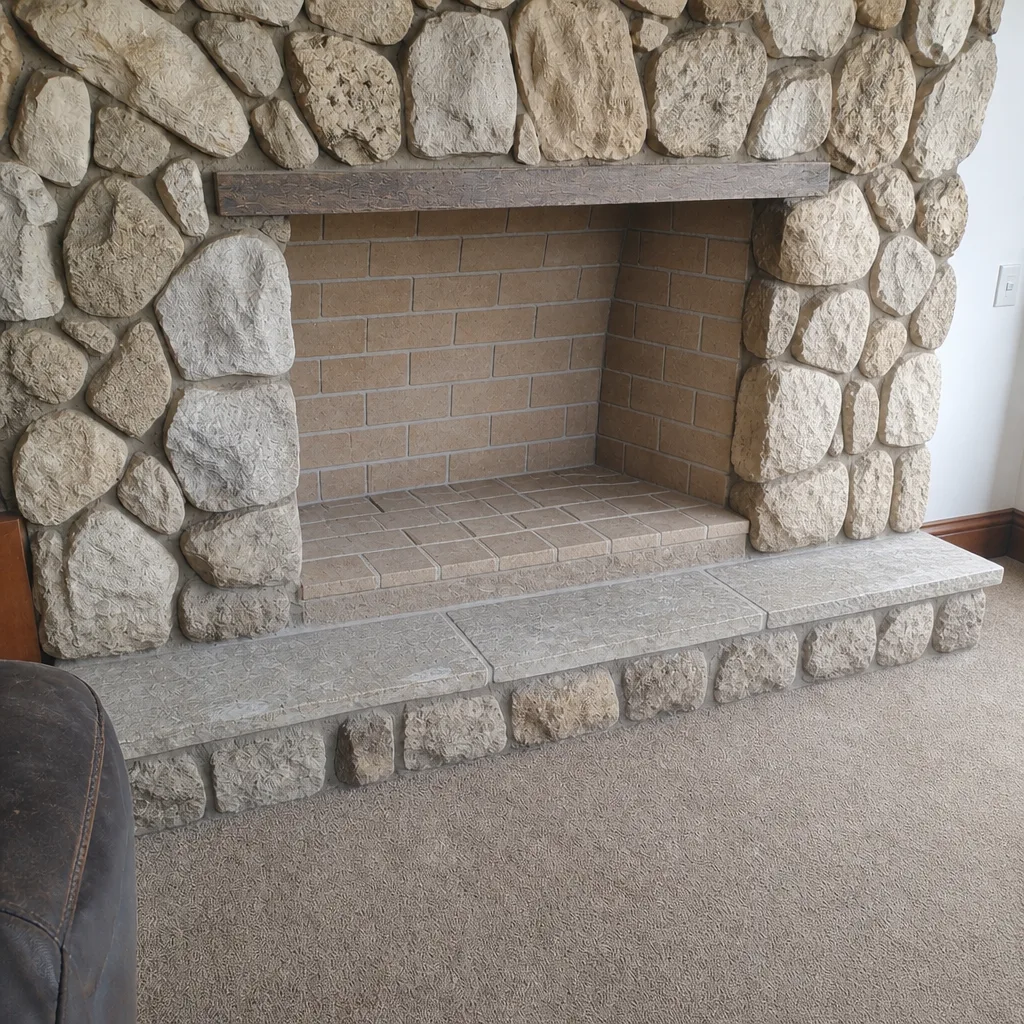
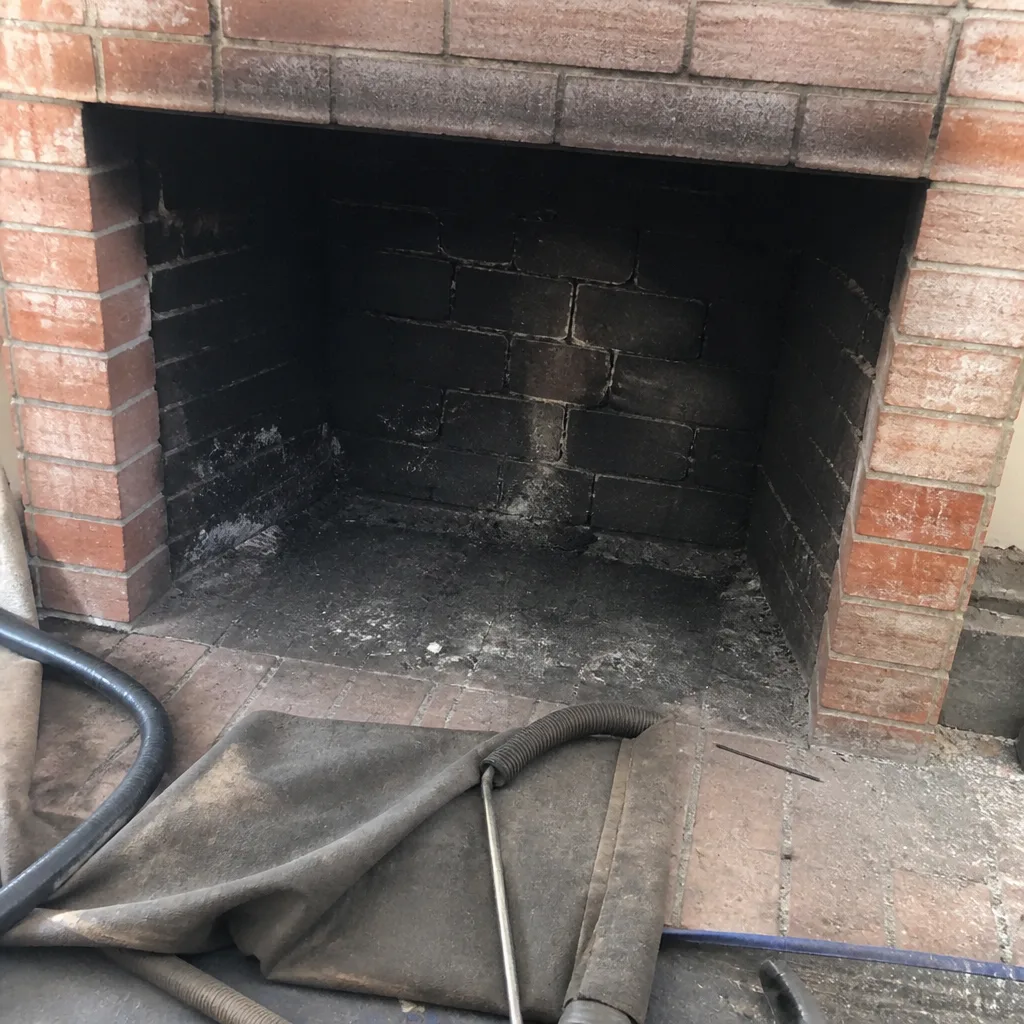
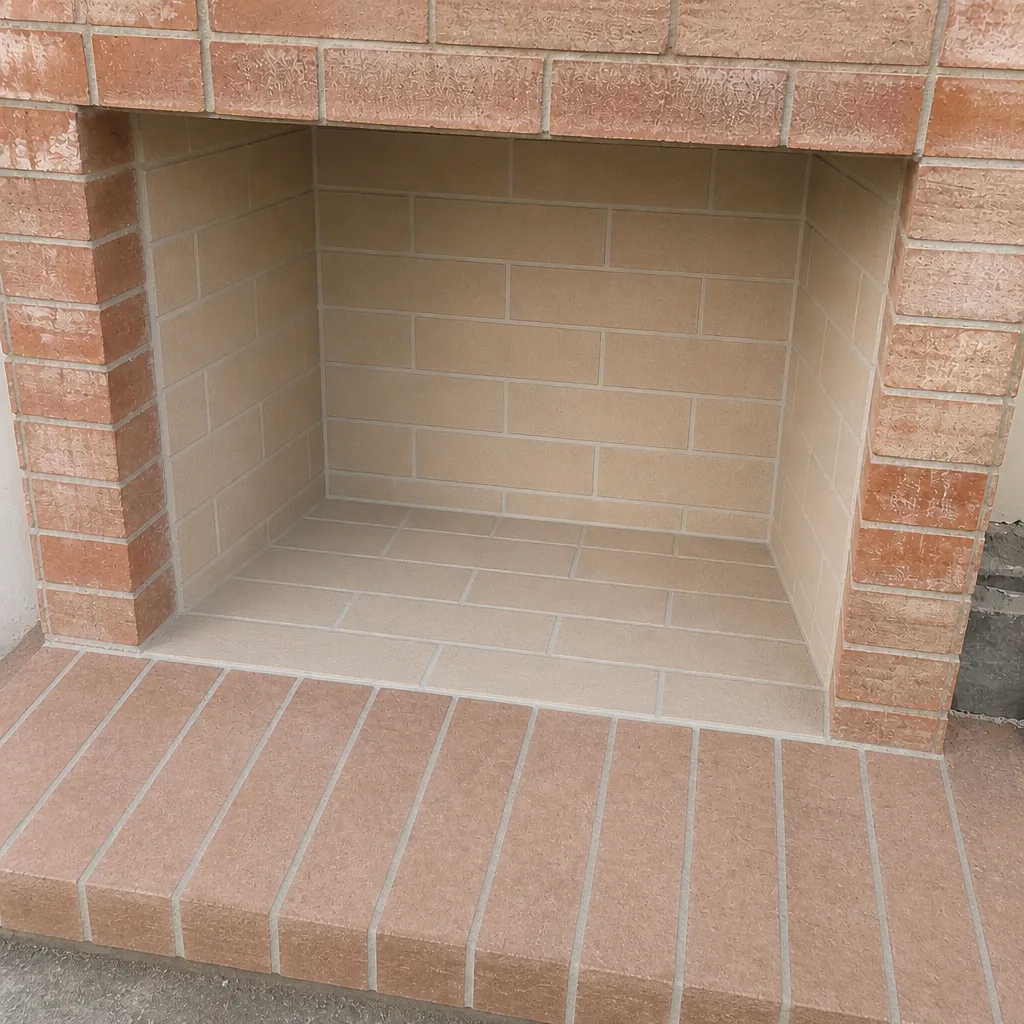
See the difference
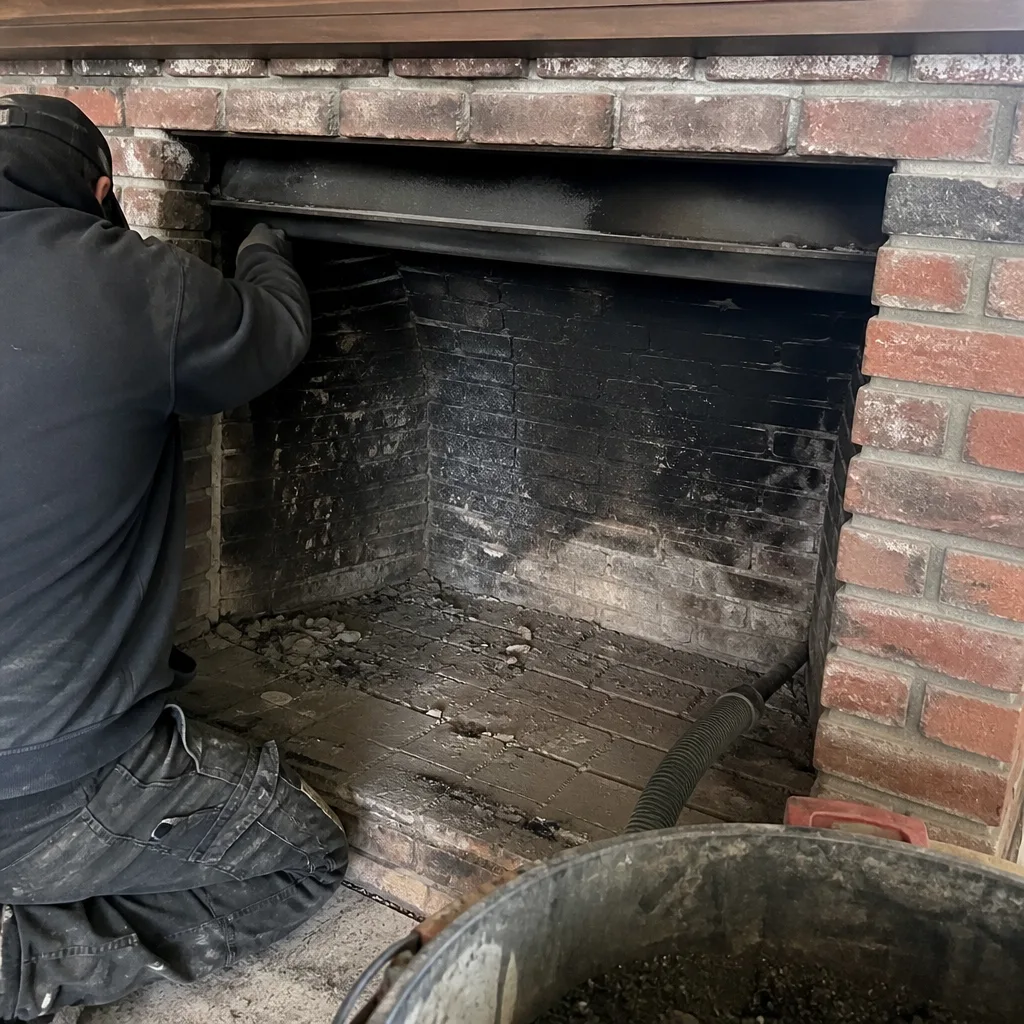 Before
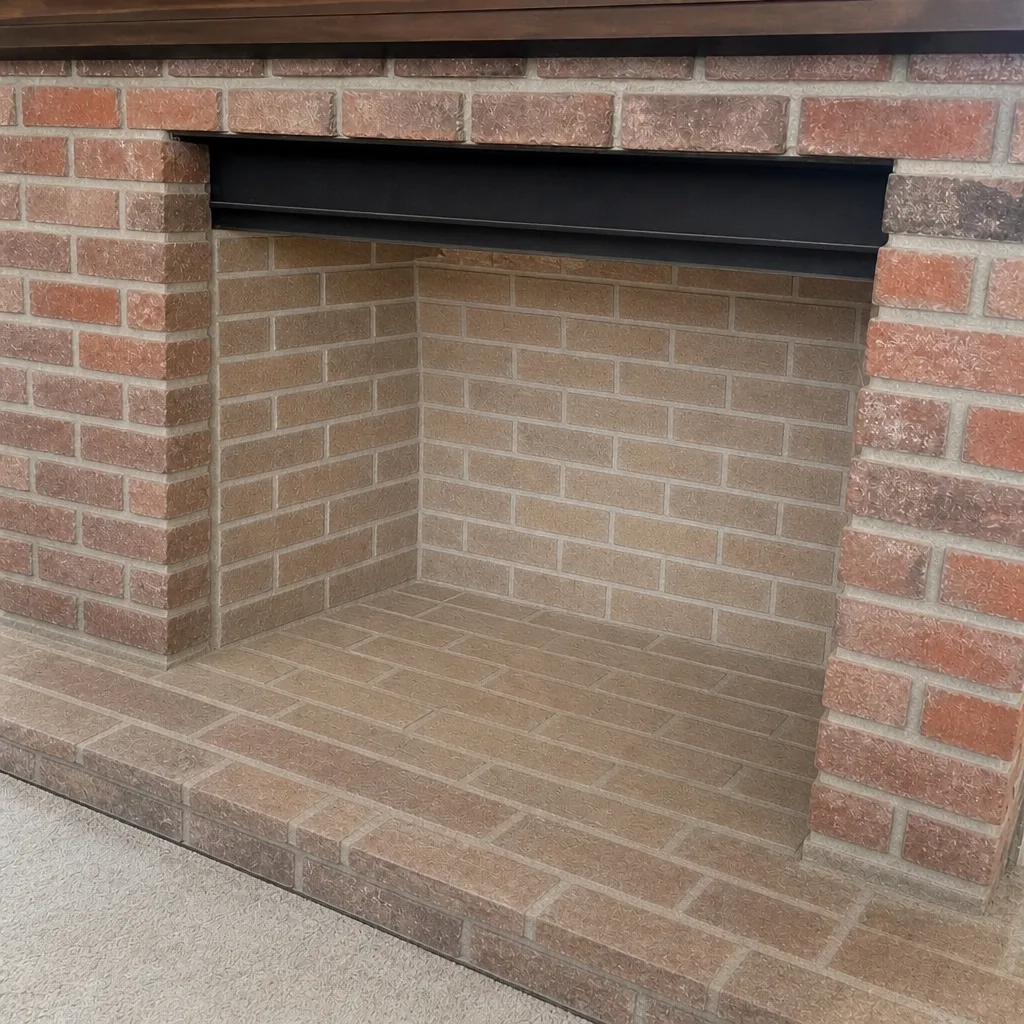 After
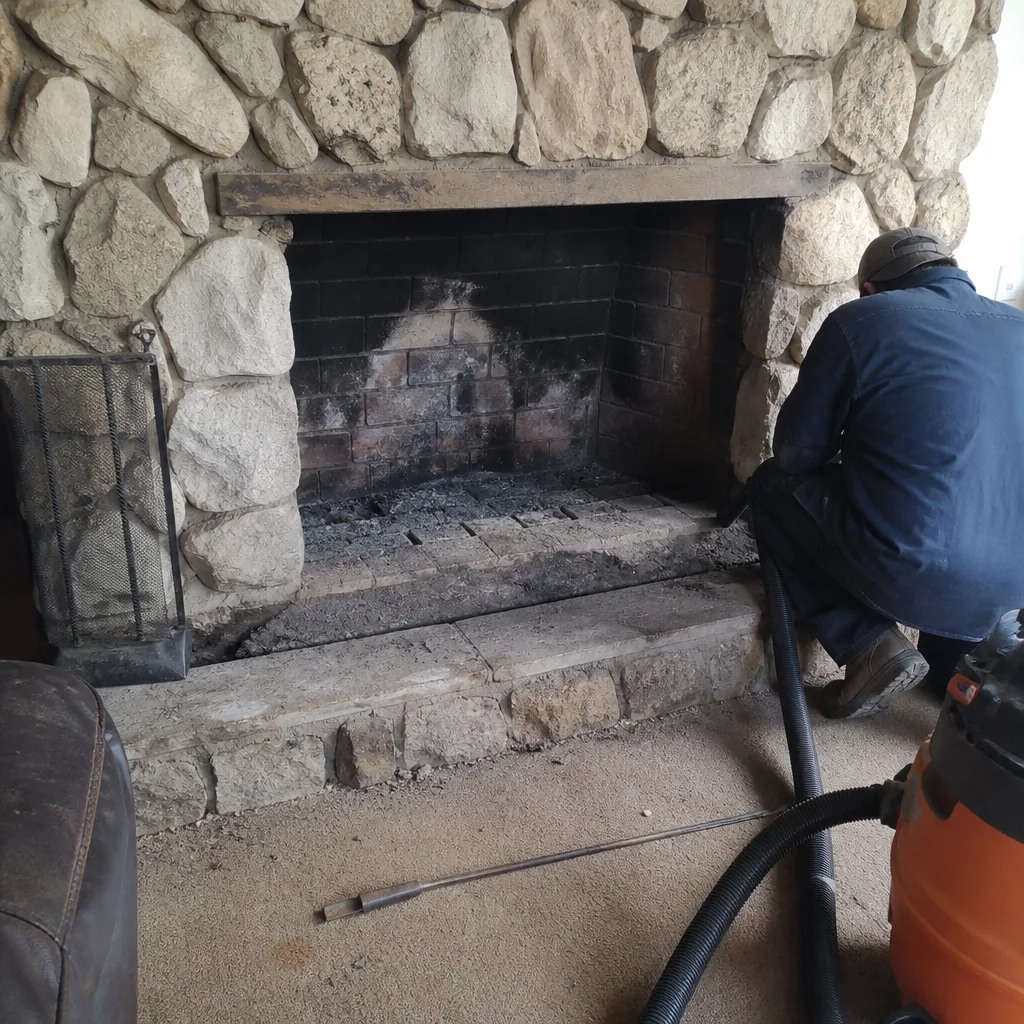 Before
 After
 Before
 After
Frequently Asked Questions
Professional chimney sweeping in Camarillo typically falls between $150 and $350 depending on the chimney type, flue condition, and whether a camera inspection is included. The final price is set by the written estimate, which is free. Call (833) 589-9263 for an exact quote, and we’ll tell you what’s included before any work begins.
The standard recommendation is once per year if you burn regularly, or whenever creosote deposits reach 1/8 inch in thickness, whichever comes first. Most Camarillo homeowners can get by with an annual inspection and cleaning, even if the burning season is shorter here than in colder climates. A camera inspection tells you more about your specific accumulation rate than any general guideline.
Yes, there are bottom-up cleaning systems that use flexible rods and a brush attached to a drill, run from the firebox up. They’re less effective than top-down professional rotary cleaning because they can’t generate the same cleaning force, and they tend to be messy without professional dust containment. But they do eliminate the roof access problem.
First-degree creosote is loose, powdery soot that brushes off easily. Second-degree is a shiny, tar-like glaze that requires more aggressive removal. Third-degree is hardened, baked-on carbon that resembles asphalt and typically requires professional rotary cleaning or chemical treatment. The stages progress based on burn temperature, wood moisture, and frequency of use.
Professional chimney sweeping should not make a mess. A proper setup includes a high-powered vacuum at the firebox opening that captures soot and creosote as it’s dislodged. DIY cleaning without that equipment is a different story, and the fine dust will settle into carpet, upholstery, and HVAC filters if not contained.
Creosote accumulates, airflow decreases, and the chimney becomes a greater fire risk with every burn. The deposits progress from brushable soot to hardened glaze that’s more difficult and more expensive to remove. You also lose the documentation that matters for insurance purposes. The cost of cleanup after years of neglect is always higher than the cost of regular maintenance. Call (833) 589-9263 for a free estimate, and we’ll tell you exactly what your chimney needs. We answer 24/7. Fast dispatch from 7am to 7pm, Sunday through Friday.
The Bottom Line
DIY chimney cleaning has a legitimate place, but it’s a narrow one. Straight flue, first-degree soot, no repair history, recent camera inspection, comfortable roof access. If all five conditions hold, a brush kit can handle the job. If any one of them fails, which is the reality for most Camarillo fireplaces, the professional route isn’t a luxury. It’s the option that actually removes the material that causes chimney fires, documents the condition of your liner, and leaves you with a record that matters if something goes wrong. The brush at the hardware store does one thing. A professional chimney sweep does something else entirely. Most homeowners are better served by the latter. Call (833) 589-9263 for a free estimate. We answer 24/7. Fast dispatch from 7am to 7pm, Sunday through Friday.
Written by the team at Chimney Sweep Camarillo, serving Camarillo since 2015.