
Last updated November 4, 2026
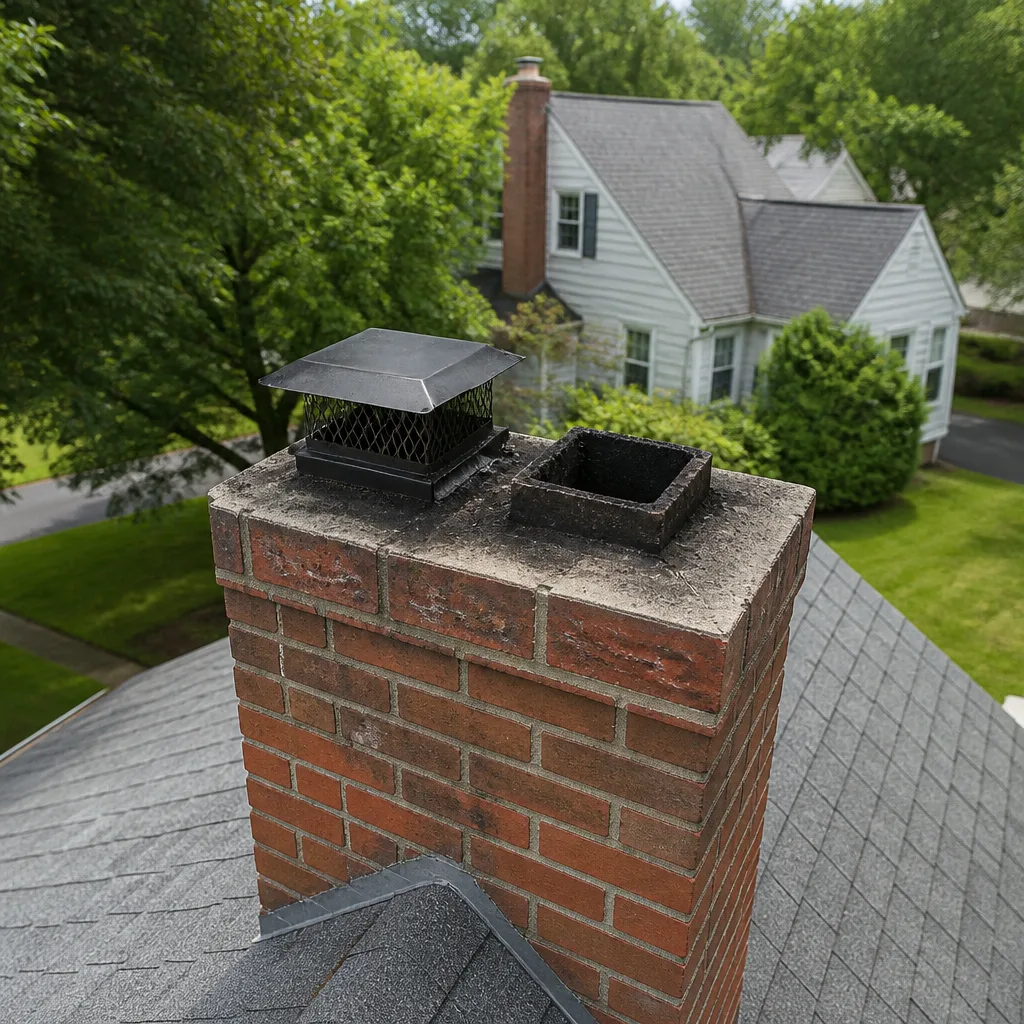 Sweep & inspection
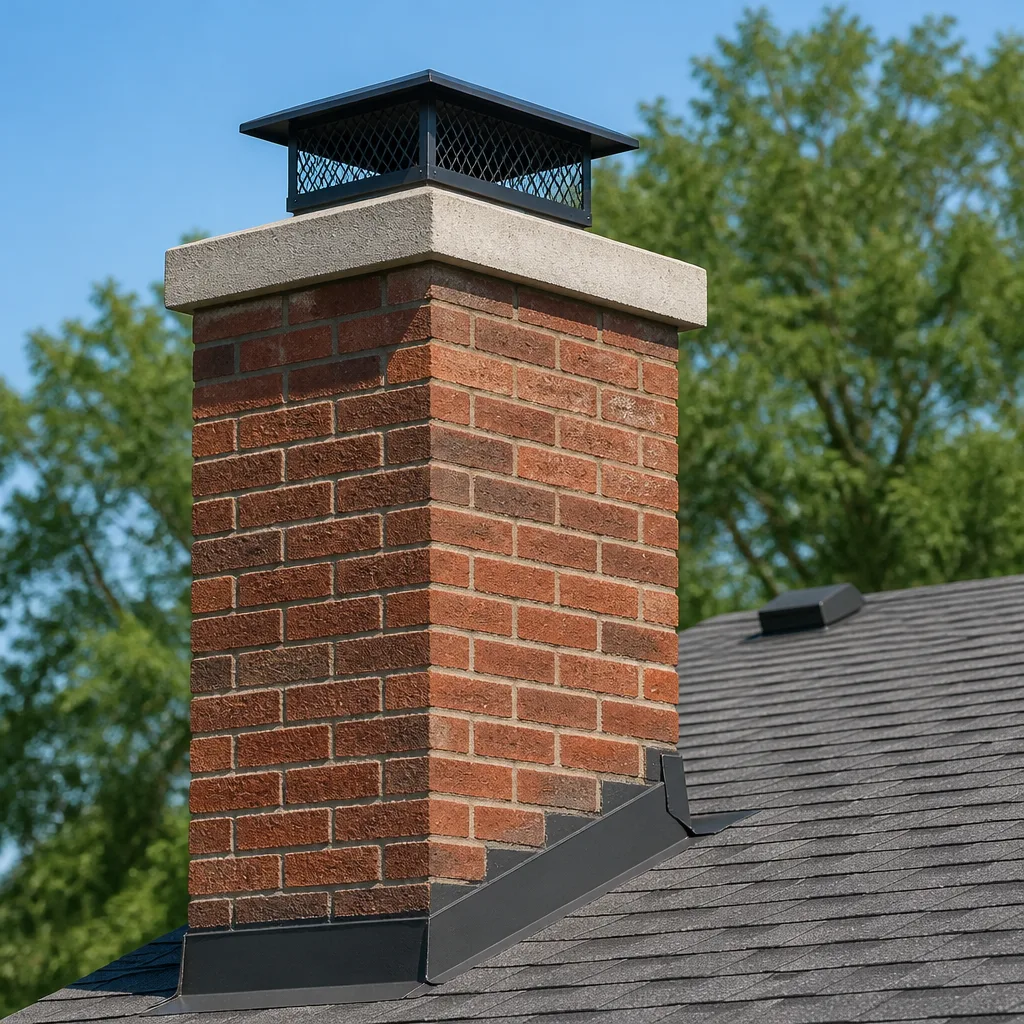 Caps & crowns
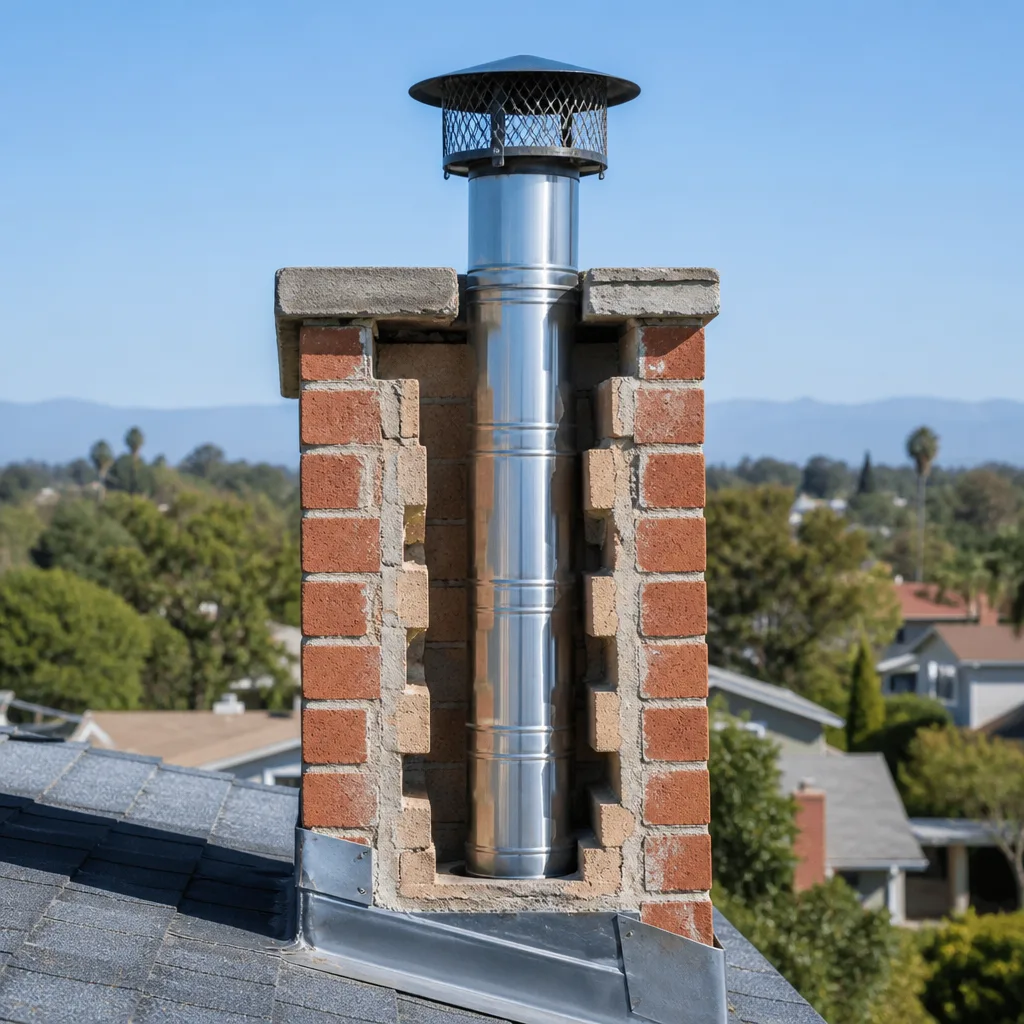 Flue relining
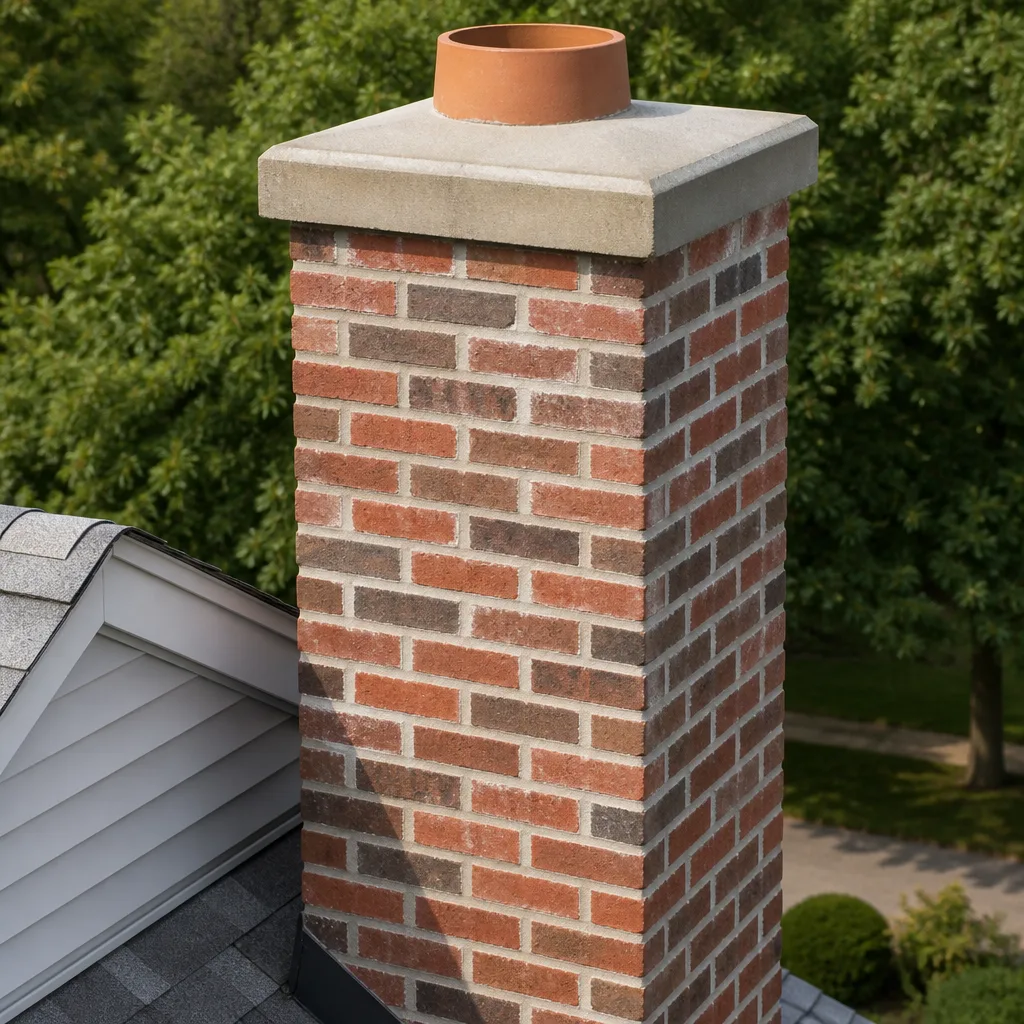 Masonry repair
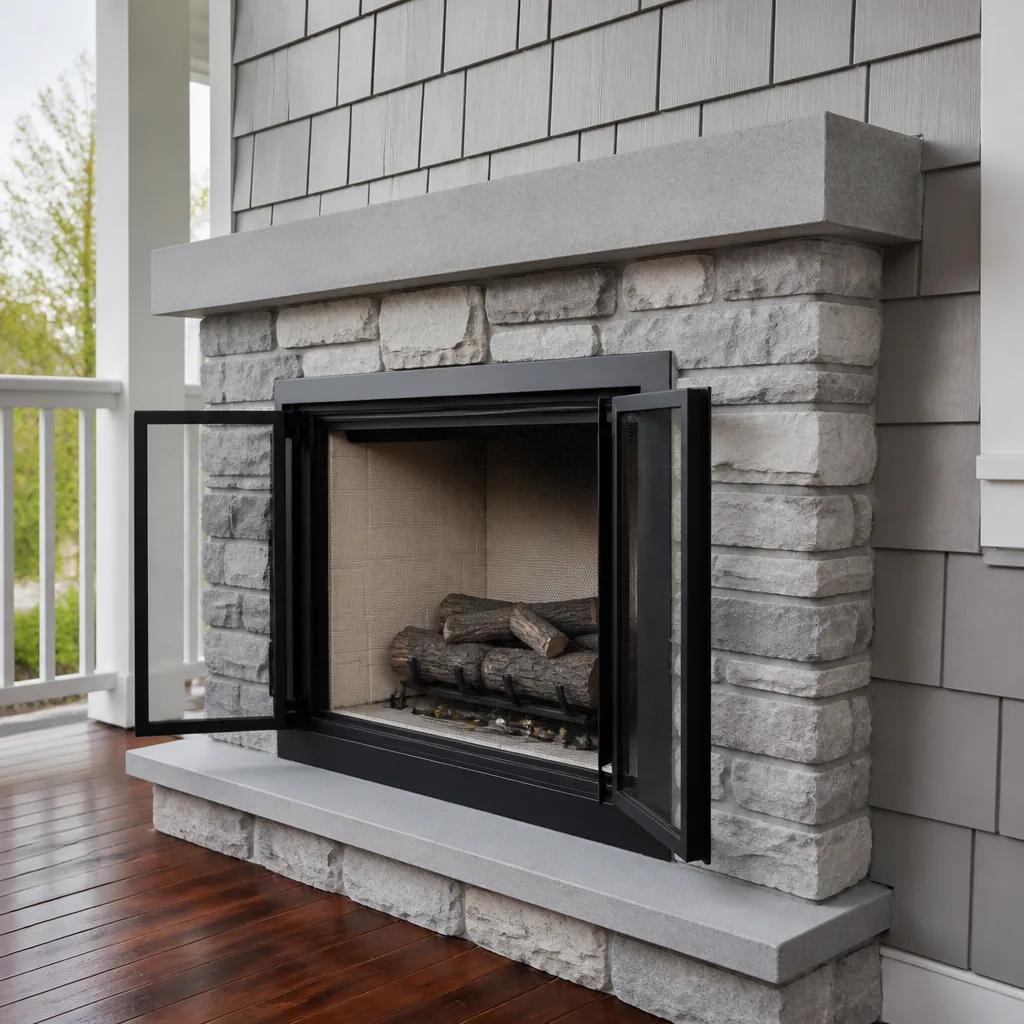 Gas fireplace service
Level 1 sweep and inspection to the NFPA 211 annual standard - flue, crown, cap, and flashing checked and photographed
Chimney sweep logs do not sweep chimneys. They loosen some creosote - which then falls where a brush and vacuum still have to collect it.
How to Hire a Chimney Cleaning Contractor in Camarillo: A Step-by-Step Guide
Most homeowners assume that anyone who calls themselves a chimney sweep must carry some kind of state license. In California, that assumption is wrong. The state has no universal licensing requirement for chimney service contractors, which means a person can legally advertise as a chimney sweep in Camarillo with nothing more than a pickup truck and a brush from a hardware store. This guide walks through what actually separates a qualified specialist from a fly-by-night operator: certification, insurance, materials, inspection method, and the specific questions to ask before anyone climbs onto your roof.
Styles & brands we work with
- Sweep & inspection
- Caps & crowns
- Flue relining
- Masonry repair
- Gas fireplace service
Quick Answer
Hiring the right chimney cleaning contractor in Camarillo comes down to verifying CSIA certification, confirming general liability insurance, asking what inspection camera they use, and requiring a written report with photo or video documentation. A qualified contractor will name the professional-grade materials they work with, provide a written estimate before any work begins, and never pressure you into repairs you have not seen evidence for. Call (833) 589-9263 for a free estimate from a Camarillo chimney specialist.
Table of Contents
- Why CSIA Certification Matters More Than a Business License
- The Insurance Questions Every Camarillo Homeowner Should Ask
- What a Real Chimney Inspection Looks Like
- Why Contractor-Grade Materials Change the Outcome
- Four Questions to Ask Before Scheduling Any Work
- Red Flags Specific to Low-Bid Chimney Services
- How to Verify a Contractor’s Reputation in Camarillo
- Common Mistakes to Avoid
- When to Call a Professional
- Frequently Asked Questions
- The Bottom Line
Why CSIA Certification Matters More Than a Business License
The Chimney Safety Institute of America (CSIA) exists because state licensing in California does not fill the gap for this trade. A CSIA-certified sweep has passed a written exam covering fire codes, combustion safety, proper clearance requirements, and the mechanics of chimney drafting. That certification verifies a baseline of knowledge that no state agency checks for chimney work specifically.
For Camarillo homeowners, this matters in practical ways. Wood-burning fireplaces in Ventura County get used differently than in colder climates. Mild winters mean occasional rather than constant use, and that intermittent use creates its own set of risks: creosote builds up slowly and can sit for months, drying into a brittle, highly flammable layer. A certified sweep knows to look for this and how to remove it safely. Someone without certification may simply run a brush through and call it done.
Certification also signals something else: the contractor takes the trade seriously enough to test for it. It is not a badge you buy. You earn it by passing a proctored exam and maintaining continuing education. When you call our office, you are speaking with a team that operates to that standard. We explain what we are looking for in plain language before, during, and after the job, because you should understand your fireplace, not just hand it over.
The Insurance Questions Every Camarillo Homeowner Should Ask
Before anyone steps on your roof in Camarillo, ask two direct questions: “Do you carry general liability insurance?” and “Will you add me as a certificate holder on the policy for the day of the work?” A professional chimney contractor answers both without hesitation. Anyone who dodges the second question is telling you something about how they handle risk.
General liability protects your home if work causes accidental damage. A cracked tile, a dropped tool, a scratched roof surface. It happens rarely, but it happens. Workers’ compensation is the other piece. If a crew member gets hurt on your property and the company has no workers’ comp coverage, that injury can become your liability. Ask about both.
This matters more for chimney work than most trades because of two facts: the work happens on your roof, and the work involves fire systems. If a sweep damages a roof tile and has no insurance, the repair comes from your pocket or your homeowners policy. We carry liability coverage and can provide a certificate of insurance on request. That is standard practice for a professional operation, and you should treat any refusal to provide it as a warning sign.
What a Real Chimney Inspection Looks Like
A legitimate chimney sweep does not clean first and look second. The order is reversed: inspect, document, then clean. This matters because cleaning can dislodge or mask defects. If a contractor starts scraping before they have looked at the flue with a camera, they are working blind.
The inspection should include:
- A visual check of the firebox, damper, smoke chamber, and flue from both ends where accessible
- A camera scan of the full flue length, recorded so you can see it yourself
- Documentation of creosote stage – first, second, or third degree
- An assessment of the chimney cap, crown, and exterior masonry from the roof
- A check for water staining, efflorescence, or spalling on the visible masonry
After the sweep, you should leave with a written report describing what was found and what was done. “We cleaned it, all good” is not a report. A professional documentation process means you get specifics: creosote stage, any cracks noted, cap condition, and photos showing the flue before and after. That record matters when you sell the home or when you need to prove maintenance history for a warranty or Camarillo property matter.
Why Contractor-Grade Materials Change the Outcome
The materials a contractor keeps on the truck tell you how serious they are. Hardware-store cement, off-brand caps, and generic mesh spark arrestors do not hold up the same way that professional-trade products do. And when a repair fails, it is almost never because the homeowner used the fireplace too much. It is because the part was never built for long-term heat cycling.
We source our components from recognized professional-trade lines: Olympia Chimney, Famco, Copperfield, and DuraFlex. These are the same suppliers CSIA-certified contractors nationwide rely on. A Famco chimney cap, for example, is designed to resist the specific wind and weather patterns we get in Ventura County, and it fits properly because it is made to chimney industry tolerances, not big-box generic sizing.
For liner work, we install DuraFlex flexible liner systems, which means full liner replacement happens in-house rather than getting referred out to another company. For many repair situations, we also offer HeatShield chimney resurfacing as an alternative to a full liner replacement. That repair path uses a cerfractory material to restore the flue interior, addressing cracked flue tiles without automatically escalating to a tear-out. A contractor who only offers replacement, with no restoration option, is either not familiar with modern repair methods or is pushing you toward the bigger invoice. Neither is good.
Four Questions to Ask Before Scheduling Any Work
You do not need to become a chimney expert to vet a contractor. You need to ask four questions and listen carefully to the answers. Here is the step-by-step:
- “What inspection method do you use, and will I see the footage?” The answer should include a camera scan and a yes on showing you the video or stills. If they tell you a visual look is sufficient, that tells you they cannot actually see the middle of your flue, where most problems hide.
- “What materials do you use for repairs, and why?” A professional names suppliers: DuraFlex, Olympia Chimney, Famco, Copperfield. A handyman says “whatever fits.” Material quality determines whether a repair lasts two years or twenty. Ask for specifics in the written estimate.
- “What does your written report look like after the job?” You want a document describing what was found, with photos. If they tell you they do not provide reports, you will have no record of the work. That record matters for resale, warranty, and if anything goes wrong later.
- “Can you email me a certificate of insurance before we schedule?” This is the question that filters out the most dangerous operators. A legitimate company has a certificate on file and sends it without friction. Anyone who acts offended has told you what you need to know.
These four questions take five minutes on the phone, and they separate qualified specialists from everyone else faster than any star rating can.
Red Flags Specific to Low-Bid Chimney Services
Low bids in chimney work tend to follow a pattern. The price gets you in the door, and the upsell keeps you paying. Here is what to watch for in Camarillo specifically:
- Refusal to show camera footage. A sweep who runs a brush and then recommends a full liner replacement, without letting you see so much as a photo of the problem, is asking you to authorize thousands in work on faith. You should never have to take a repair need on faith. The camera exists precisely so you can see it.
- Aggressive sealer and waterproofing upsells. Chimney sealers have a place on some masonry in certain conditions. They are not a universal requirement after every sweep. If a contractor pushes a sealer package on every single chimney, they are selling a margin product, not responding to what your chimney actually needs.
- No written estimate before work begins. Verbal quotes are how disputes happen. A professional provides a written estimate that says what the scope is, what materials will be used, and what the total will be. If a contractor will not put it on paper, walk away.
- Refusal to name material brands. If the answer to “what liner or cap will you install” is vague, the part is probably not from a professional-trade supplier. You are paying for the difference whether you know it or not.
- Same-day pressure. “I’m already here, so we should just do it now.” There is no chimney condition that requires you to make a decision on the spot. A professional gives you the report, explains what is urgent versus what can wait, and lets you decide.
If you hear three or more of these from one contractor, you are not talking to a chimney specialist. You are talking to a sales operation that does chimney-shaped work.
How to Verify a Contractor’s Reputation in Camarillo
Star ratings tell you how a business manages its online presence. Detailed reviews tell you how it works. In Camarillo, look for reviews that describe process details: a contractor who shows photos, who wears boot covers in the home, who walks the homeowner through the camera footage before recommending anything. Those specifics cannot be faked in volume.
Here is what to look for when reading through reviews:
- Reviews that mention the word “camera” or “photos” or “showed me” – these confirm the inspector actually documented the flue
- Reviews that describe a repair being explained in plain language before approval was asked for
- Reviews from homeowners who said the contractor told them work could wait, rather than pushing immediate replacement
- Any mention of specific materials or brands in a review – that only happens when the contractor is confident naming what they use
- Local review volume from Camarillo proper, not outsourced review bursts from far-away regions
Also worth checking: whether the business appears in any local Camarillo chimney or fireplace discussions on community groups. A contractor who gets recommended by name in neighborhood Facebook groups, repeatedly and without solicitation, has built the kind of local reputation that cannot be bought.
We have been serving Chimney Sweep Camarillo neighbors since 2015, and our operating principle is simple: we identify what is wrong before we recommend what to fix. That means showing you the footage, explaining the condition, and letting you make an informed decision. It is the same standard we would want for our own homes.
Common Mistakes to Avoid
- Hiring based on price alone. A chimney sweep is one of the few trades where the cheapest option can leave you more exposed than before. A cheap sweep that skips the camera inspection gives you a clean-looking flue and no knowledge of what was actually inside it.
- Assuming a business license means chimney qualification. In California, a general business license proves you registered with the city. It verifies nothing about chimney knowledge. CSIA certification is the verification that matters for this trade.
- Skipping the insurance certificate. Many homeowners never ask, and most problems never happen. But when a tile cracks or a roofer’s ladder scrapes a gutter, the contractor without insurance disappears. Ask for the certificate before the work, not after.
- Accepting a verbal quote as a contract. If it is not written, it did not happen. Written estimates protect you on scope, materials, and price. They also give you something to hold a contractor to if the final invoice does not match the stated scope.
- Letting someone upsell a liner replacement with no camera evidence. A liner replacement is sometimes necessary. But you should see the flue damage with your own eyes before authorizing that invoice. No footage, no authorization.
- Ignoring the dryer vent. Dryer vents and chimneys are both fire risks, and both handled by a specialized chimney and venting contractor like us. Most homeowners think of dryer vent cleaning as an appliance issue, but it is a venting issue. We handle both under one roof.
When to Call a Professional
Some jobs are not DIY under any circumstances. A heavy creosote buildup in second or third stage requires a professional with the right scrapers, rods, and safety gear. Cracked flue tiles, a deteriorating smoke chamber, or a chimney cap that is loose or missing are structural and safety issues that belong with a trained contractor, not a weekend project video.
You should also call a professional if you notice any of these signs: smoke backdrafting into the room, a persistent odor coming from the fireplace, soot stains above the fireplace opening, or a dryer that takes longer than one cycle to dry a load. Each of those is a venting problem, and each is a fire risk in the making. Dryer vent cleaning addresses the leading cause of dryer-related house fires: clogged lint venting. When the vent is restricted, heat builds up, and lint becomes kindling.
Chimney Sweep Camarillo offers free estimates in Camarillo – call (833) 589-9263. We answer 24/7. Fast dispatch from 7am to 7pm, Sunday through Friday.
Frequently Asked Questions
A standard chimney sweeping in Camarillo typically ranges from $250 to $550, depending on the flue condition, accessibility, and whether any additional component repair is needed. The written estimate sets the final price before any work begins, so call (833) 589-9263 for an exact quote based on your chimney.
Yes, because California does not license chimney sweeps at the state level. CSIA certification is the only widely recognized verification that a contractor has passed an exam covering fire codes, chimney physics, and safety practices, so it functions as the industry standard in the absence of state licensing oversight.
A visual inspection from the roof or firebox cannot see the middle two-thirds of the flue, which is where most cracks, gaps, and creosote pockets form. A camera inspection is the difference between a clean-looking chimney and an actually safe chimney, so we do not recommend hiring anyone who skips this step.
Creosote continues to accumulate, especially with wood-burning fireplaces, and a thick layer becomes a fuel source inside your flue. The National Fire Protection Association rates chimney fires by how much material is inside, and a neglected flue turns a small ember from your next fire into a potential chimney fire that can crack the liner and spread heat into the home’s framing.
Most homes with a wood-burning fireplace should have a professional sweep and inspection once a year. Gas fireplaces can often go longer between cleanings, but an annual check of the venting and cap is still worthwhile for any fireplace that gets used regularly, even in Ventura County’s mild winters.
You can, but a hardware store brush usually cannot reach the full flue, and the job is dirtier and more physically demanding than most people expect. More importantly, a store-bought kit does not inspect anything, so you would be cleaning blind with no documentation of what condition the flue is actually in. Call (833) 589-9263 for a free estimate and leave the roof work to someone with the right equipment and insurance.
The Bottom Line
Hiring a chimney cleaning contractor in Camarillo is not complicated, but it does require asking the right questions before you schedule. Verify CSIA certification, confirm general liability insurance in writing, and require a camera inspection with documentation. Ask what materials the contractor uses, and listen for professional-trade brand names rather than vague “whatever fits” answers. A qualified specialist identifies problems before recommending repairs, shows you the evidence, and provides a written report. Those are the standards we work to in Camarillo every day. Call (833) 589-9263 for a free estimate and we will walk you through the process step by step.
Written by the team at Chimney Sweep Camarillo, serving Camarillo since 2015.
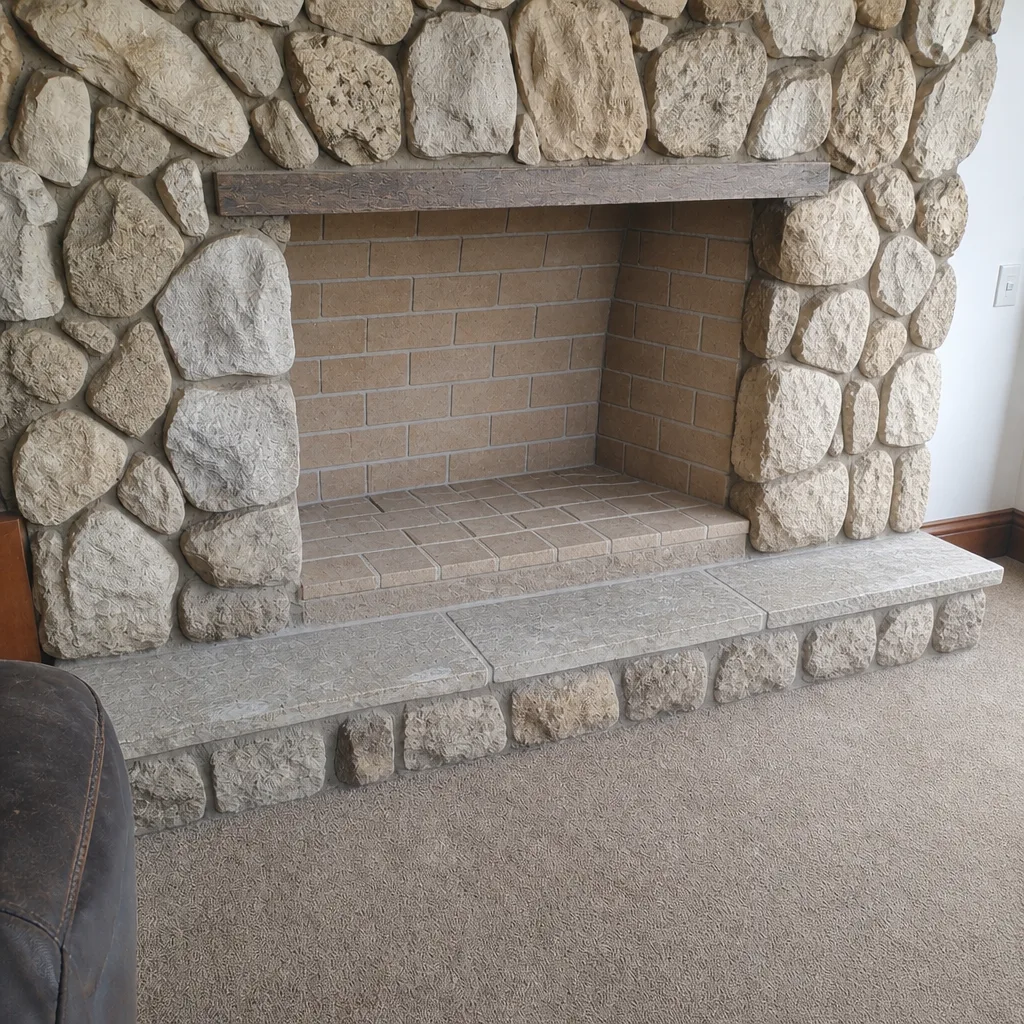
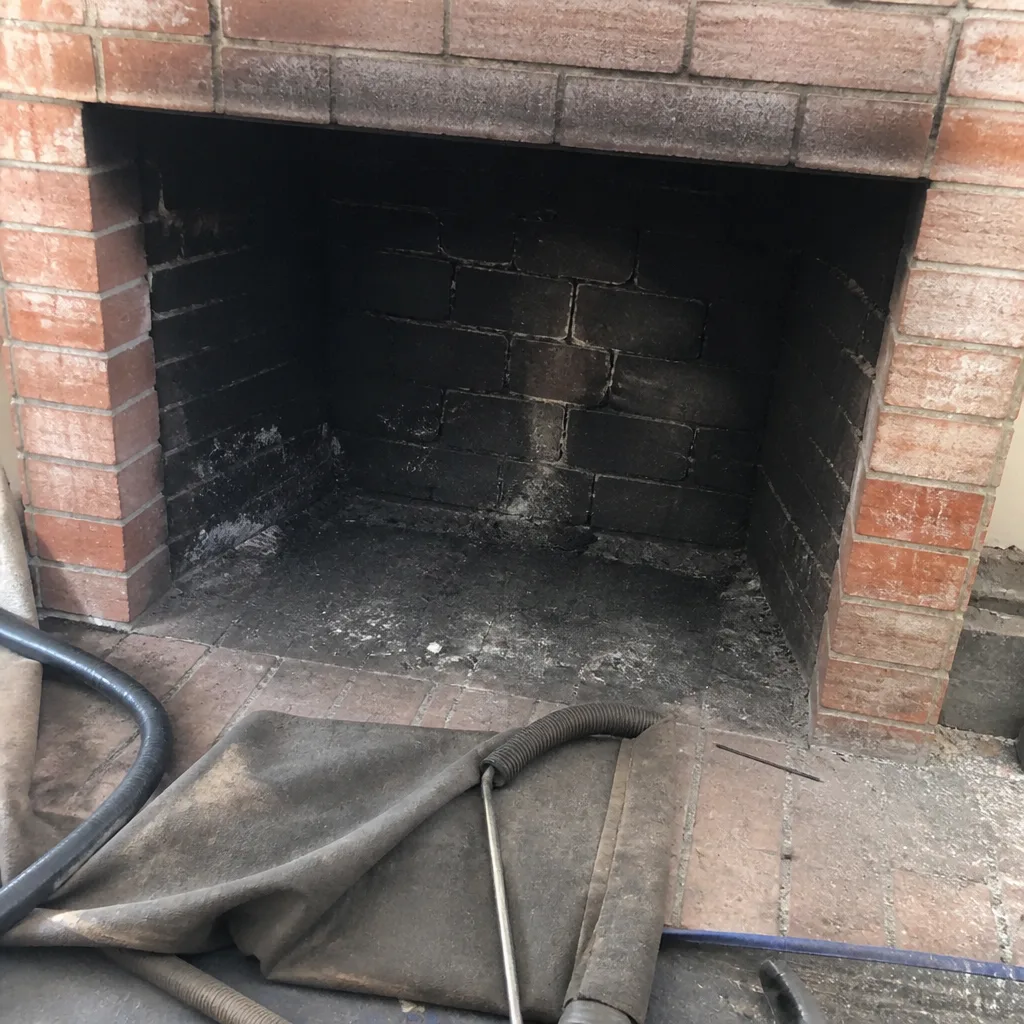
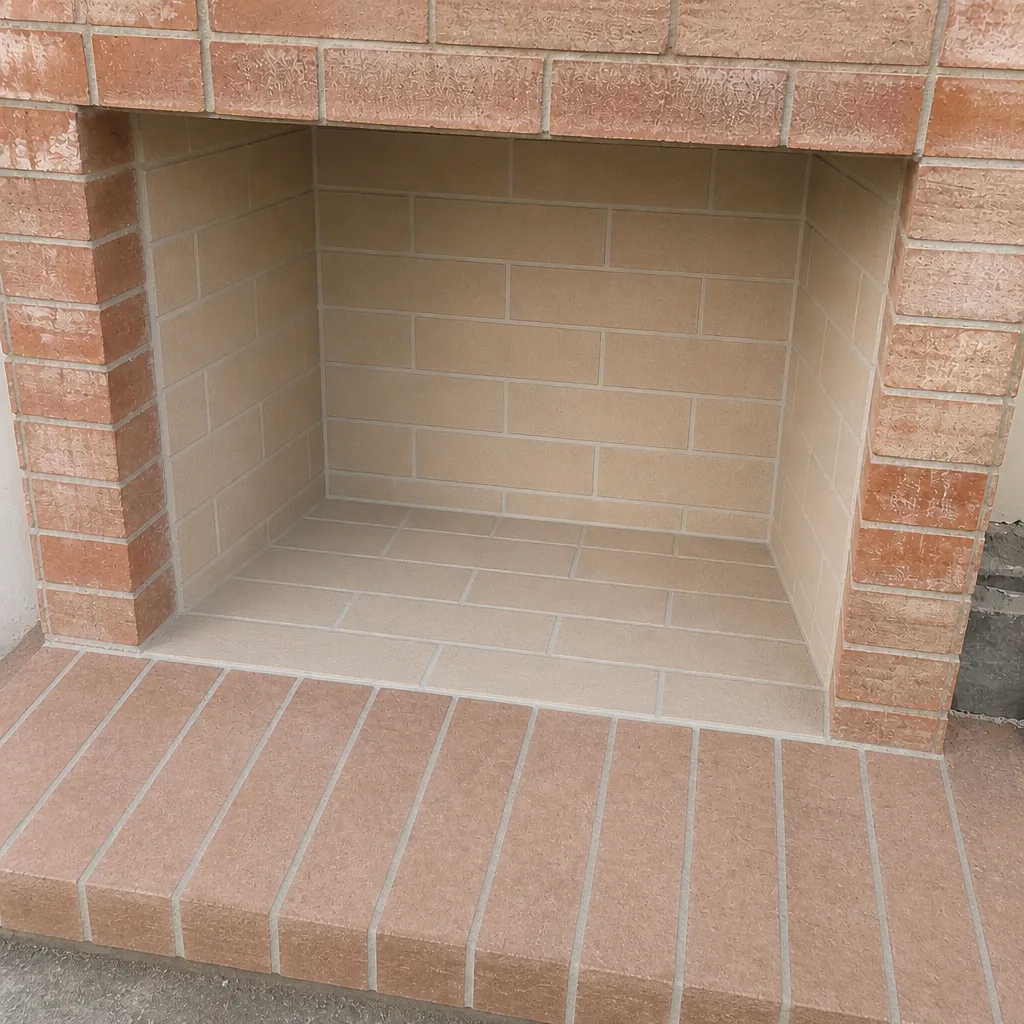
See the difference
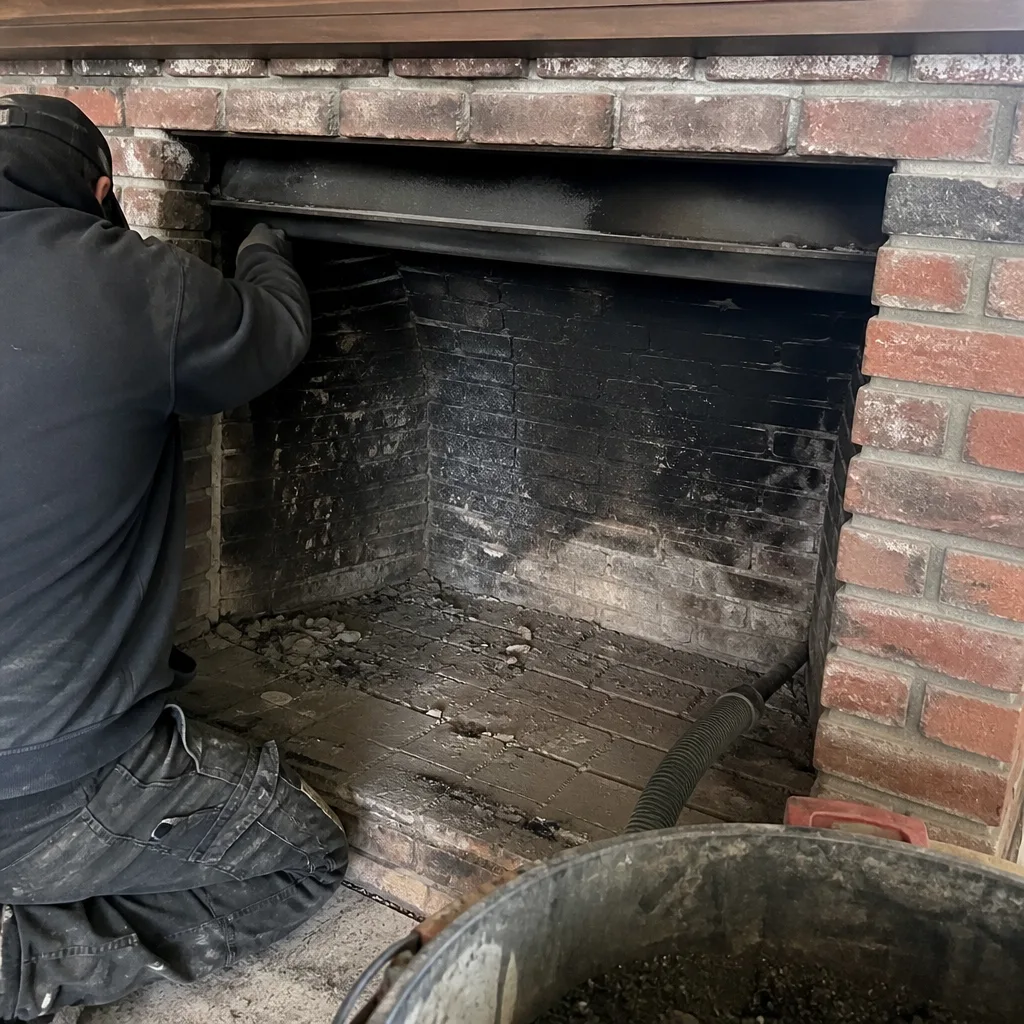 Before
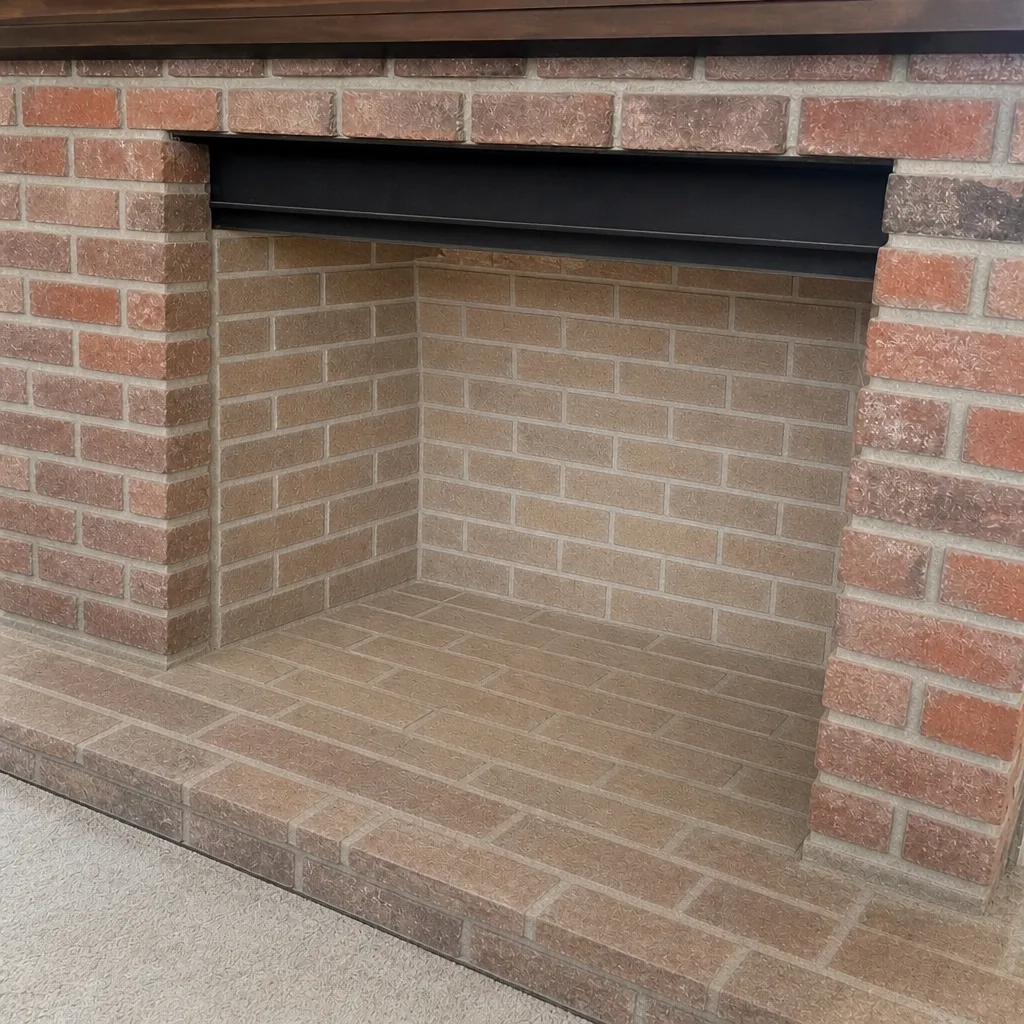 After
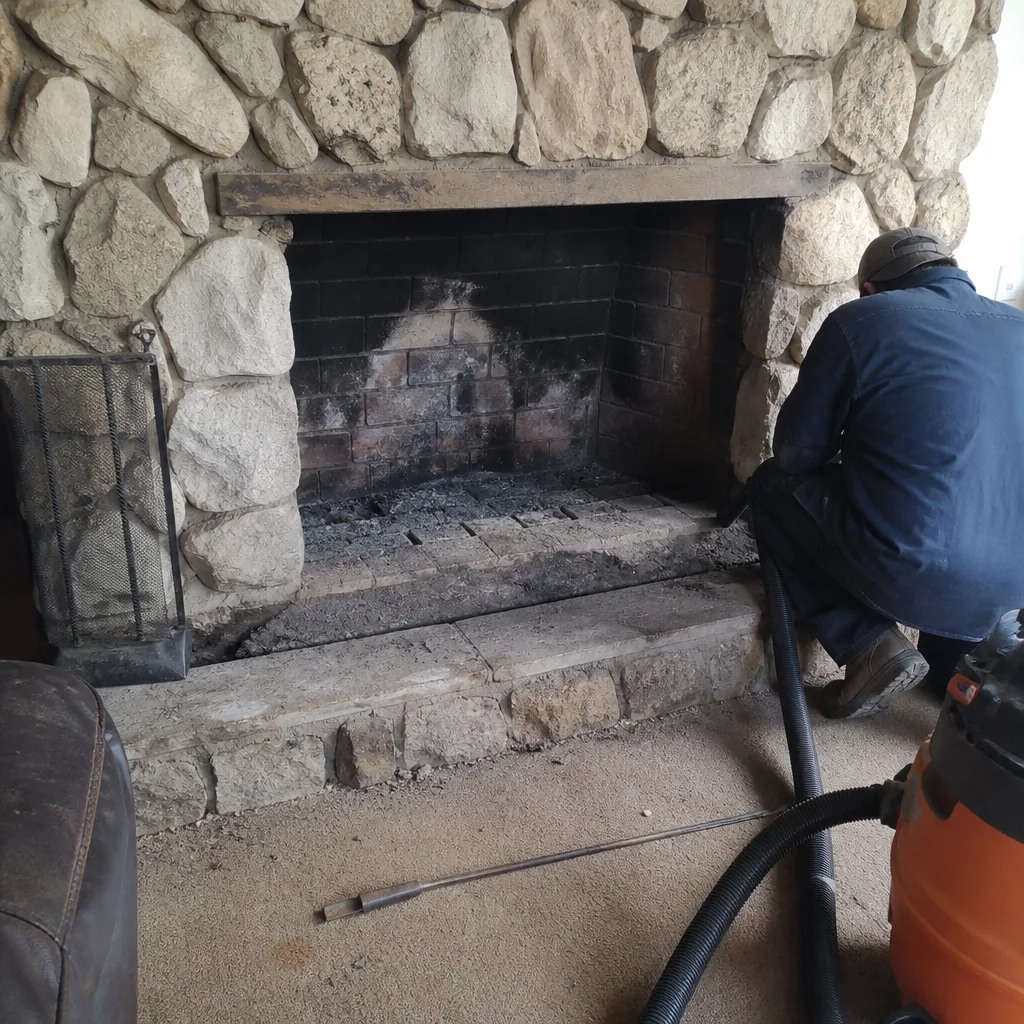 Before
 After
 Before
 After