
Last updated November 4, 2026
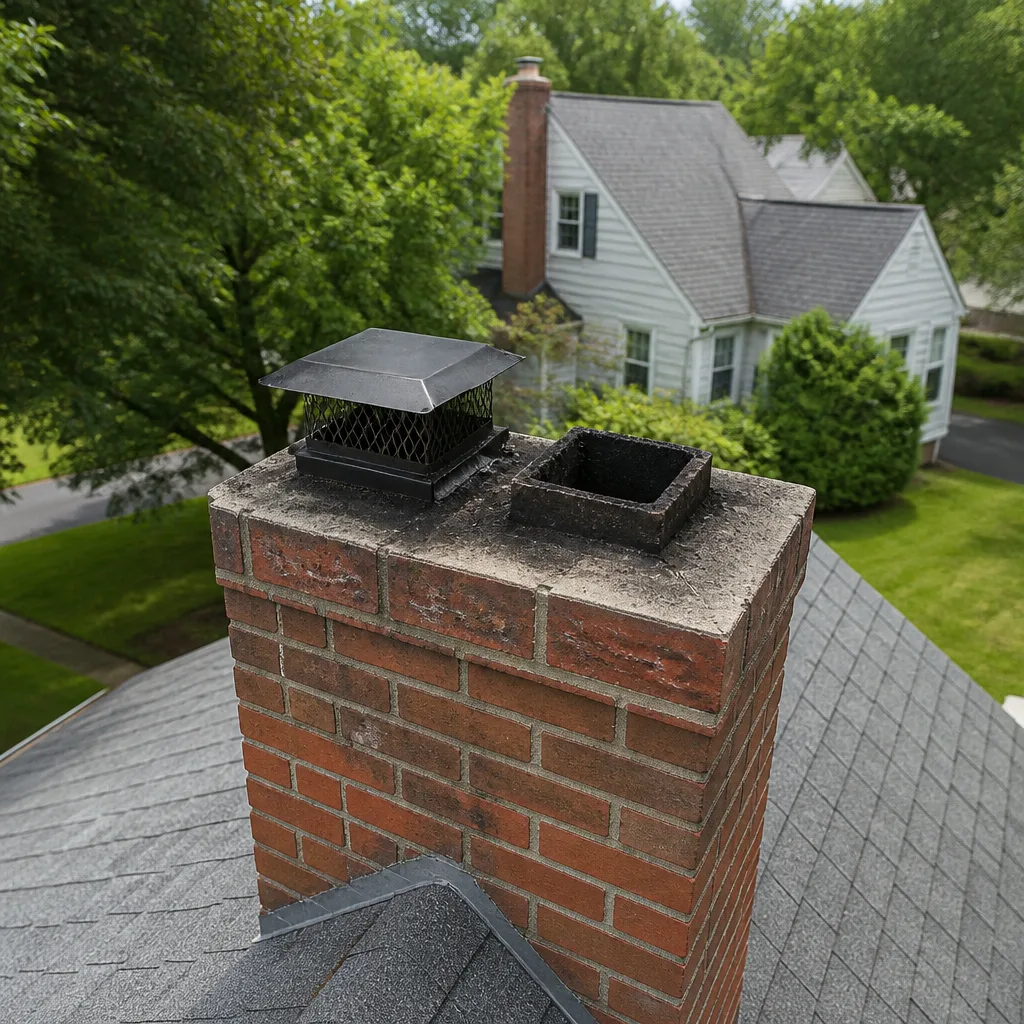 Sweep & inspection
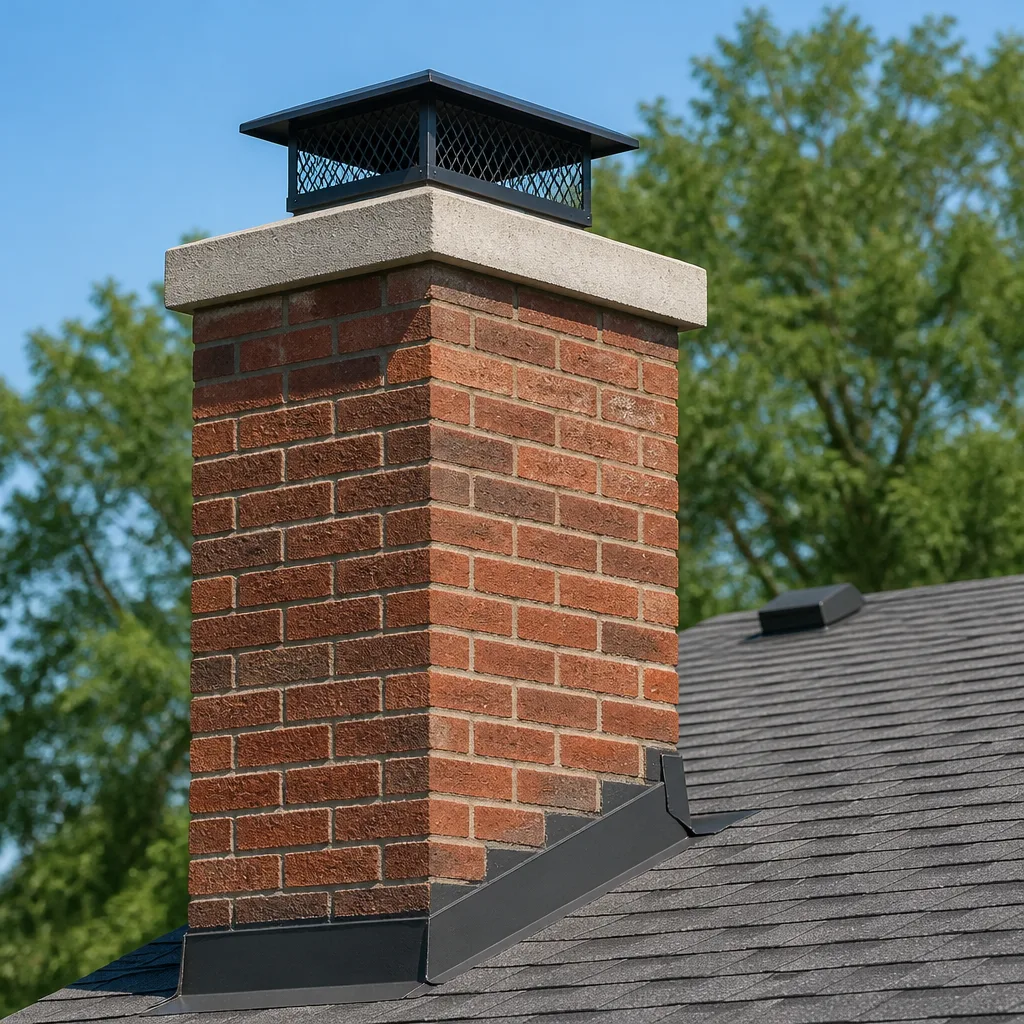 Caps & crowns
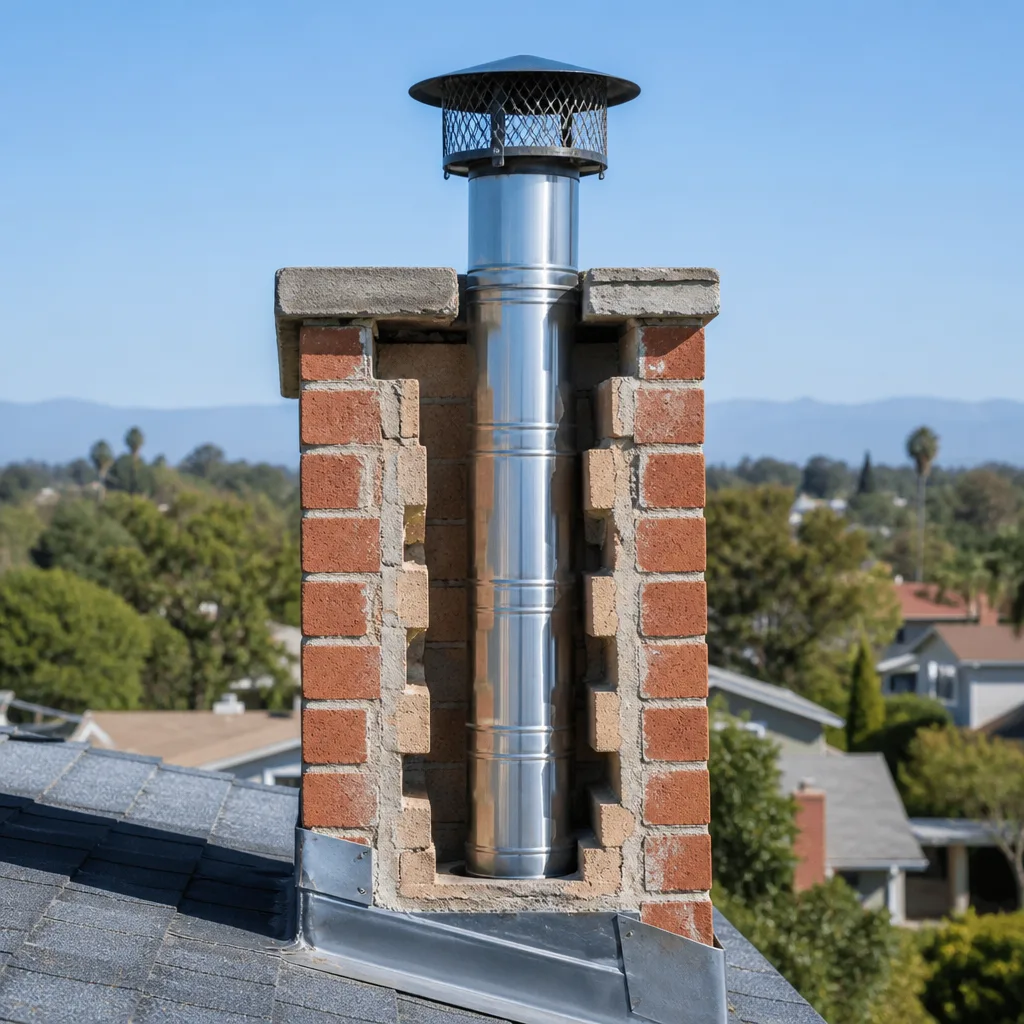 Flue relining
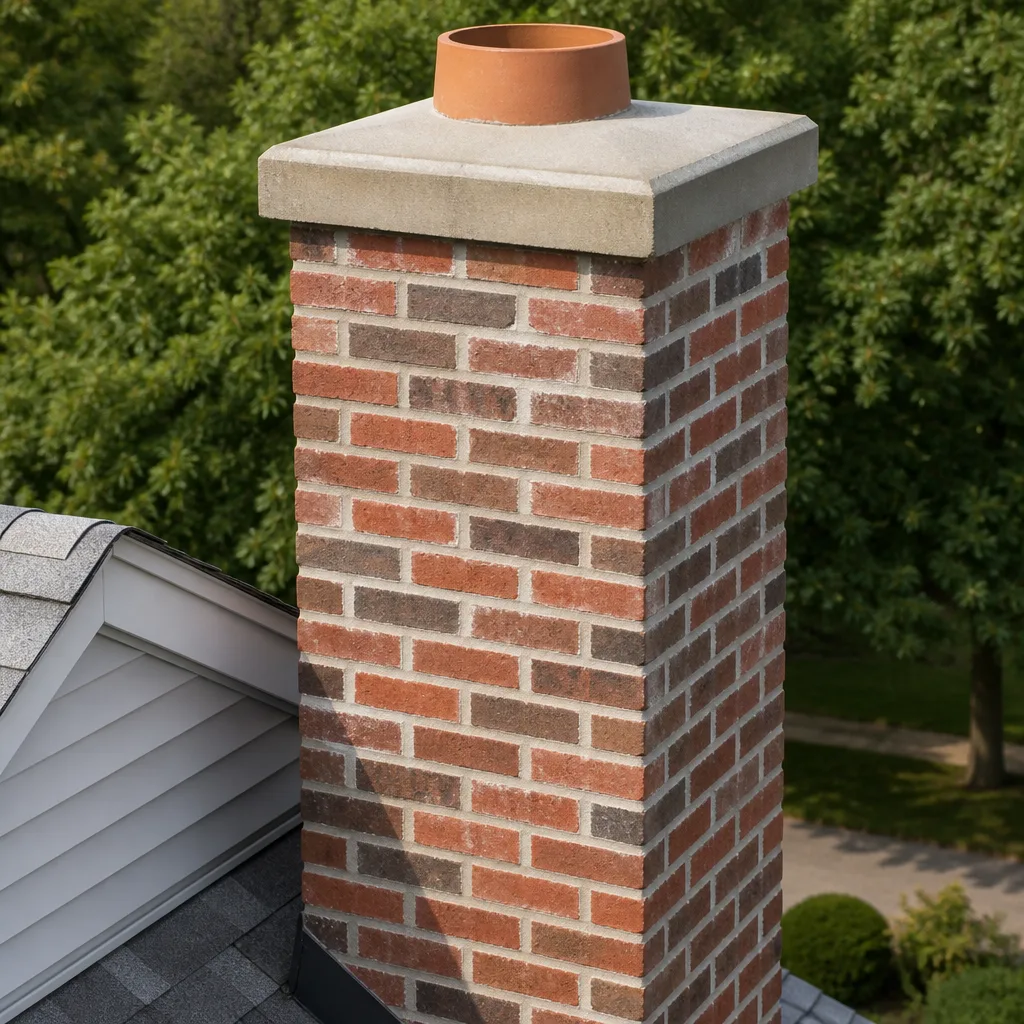 Masonry repair
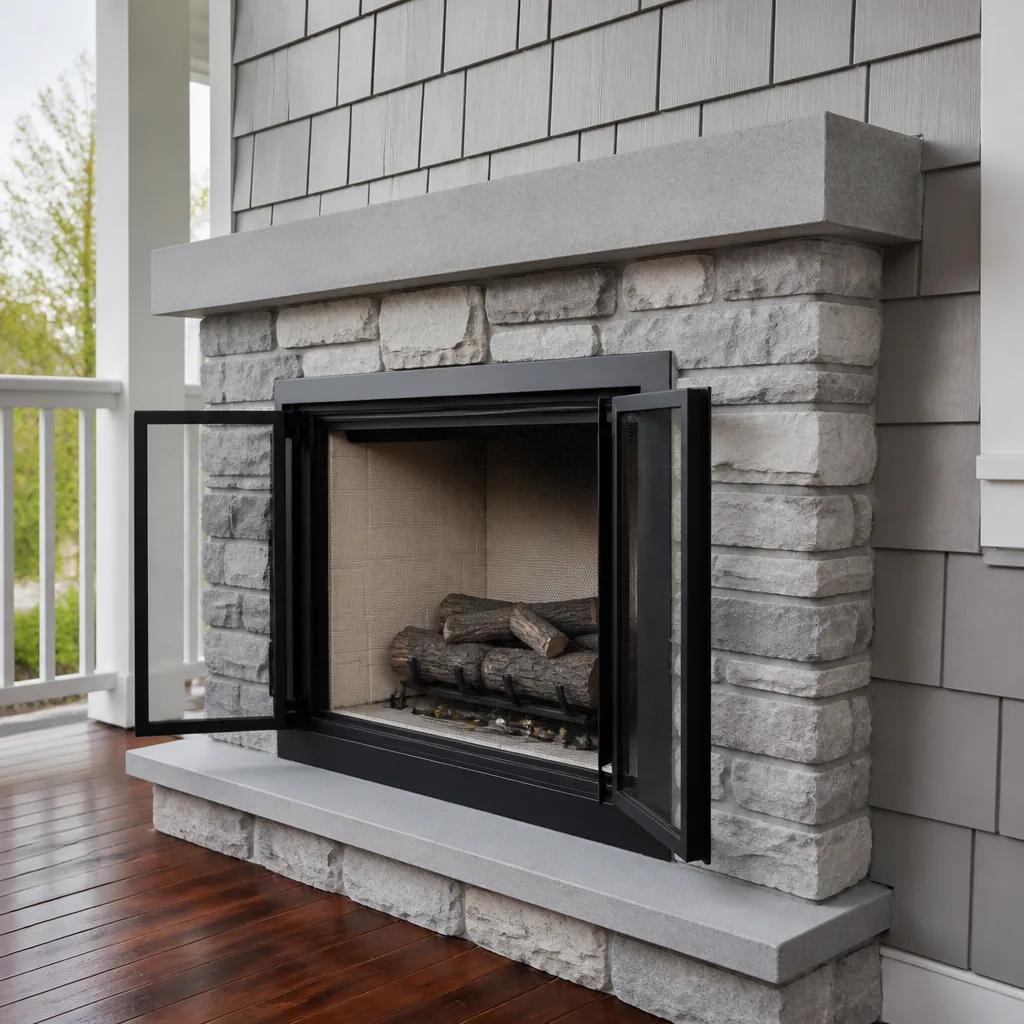 Gas fireplace service
Level 1 sweep and inspection to the NFPA 211 annual standard - flue, crown, cap, and flashing checked and photographed
Chimney sweep logs do not sweep chimneys. They loosen some creosote - which then falls where a brush and vacuum still have to collect it.
Choosing the Right Chimney Cleaning Brand: A Buyer’s Guide for Camarillo
Two chimney crowns can look identical the day they’re poured. One made with a purpose-formulated elastomeric sealant will flex with thermal cycling. One made with standard concrete mix will crack within two seasons. And both cost roughly the same in labor. The difference is in the can, not the hand that troweled it. Most Camarillo homeowners shopping for chimney work focus on the contractor’s price and schedule. Few ask the question that actually determines whether the repair lasts: what materials are going into my chimney? This guide explains why the brand names on those materials matter more than the brand name on the truck, what separates professional-grade chimney products from hardware-store substitutes, and how to evaluate a contractor’s material choices without needing to be a chemist or a code inspector.
Styles & brands we work with
- Sweep & inspection
- Caps & crowns
- Flue relining
- Masonry repair
- Gas fireplace service
Quick Answer
Choosing the right chimney cleaning brand in Camarillo comes down to one principle: professional chimney work uses materials engineered specifically for flue temperatures, acidic condensate, and thermal expansion, including products from DuraFlex, HeatShield, and Copperfield. Any contractor can sweep a flue with generic brushes, but repair and liner work performed with hardware-store substitutes fails faster and can violate listing requirements. Ask your contractor which professional product lines they use, and if they hesitate, keep looking.
Table of Contents
- Why Chimney-Specific Product Lines Exist at All
- Liner Systems: What Actually Separates DuraFlex from Hardware-Store Flex
- HeatShield Resurfacing vs. DIY Refractory Cement
- Dampers and Caps: Copperfield, Gelco, and the Problem with Generic
- How to Verify a Contractor’s Material Choices (Without Being a Jerk About It)
- What Camarillo’s Climate Does to Chimney Materials
- Common Mistakes to Avoid
- When to Call a Professional
- Frequently Asked Questions
- The Bottom Line
Why Chimney-Specific Product Lines Exist at All
Chimney products exist as a distinct category because a flue is a hostile environment that general construction materials were never designed to survive. A fireplace flue routinely sees temperatures between 450°F and 1,100°F during normal operation. A chimney fire can push that past 2,000°F. The combustion exhaust from wood and gas carries acidic condensate that chews through standard mortar, uncoated steel, and most off-the-shelf sealants. And every heating cycle forces the chimney to expand and contract at rates that vary by material, which means joints and liners are constantly working against themselves.
Hardware-store alternatives fail not because they’re defective but because they’re answers to the wrong question. A bag of Type N mortar from the home center is a fine product for laying brick on a garden wall. It is not rated for direct flue gas exposure. A generic aluminum dryer vent hose is fine for moving warm air through a laundry room. It is not listed as a chimney liner for wood-burning fireplaces.
Professional lines like DuraFlex, HeatShield, and Rutland exist because Underwriters Laboratories and the National Fire Protection Association created performance standards that generic products do not meet. Those standards cover temperature rating, corrosion resistance, expansion tolerance, and chemical compatibility with combustion byproducts. When a contractor names these products on an estimate, they’re not just telling you which supplier they order from. They’re telling you the repair was designed for the conditions it will actually face.
Liner Systems: What Actually Separates DuraFlex from Hardware-Store Flex
A flexible chimney liner is not just a metal tube. The differences between a listed professional system and a generic flex pipe run through gauge thickness, alloy composition, corrugation profile, and certification testing. These differences determine whether the liner lasts fifteen years or five, and whether your insurance company will even consider it a valid repair.
DuraFlex is a stainless steel chimney lining system made from SS316 alloy, which contains molybdenum for resistance to the acids produced by gas and oil combustion. Hardware-store flex pipe is typically a thinner gauge, often made from aluminum or a lower-grade stainless, and is not tested to UL 1777, the standard that governs chimney lining systems in the United States. The distinction matters: a UL 1777 listing means the product was tested for clearance to combustibles, temperature performance, and long-term structural integrity under repeated thermal cycling.
Here is what to compare when a contractor specifies a liner:
- Gauge: Professional liner systems use a consistent wall thickness, typically 316 stainless at a gauge that holds its round under decades of heating cycles. Generic flex is thinner and dents during installation, which creates hot spots.
- Alloy: SS316 resists the sulfuric and hydrochloric acids that form in gas flue condensate. SS304 and aluminum do not hold up to those conditions long term.
- Corrugation depth: Deep corrugation on cheap flex traps creosote and condensate in the valleys. DuraFlex is designed with a profile that moves exhaust efficiently while still allowing easy installation in offsets.
- Listing: Ask whether the liner is UL-listed for your fuel type. An oil furnace and a wood fireplace impose different chemical environments, and a professional contractor should match the liner to the appliance.
For Camarillo homes with older masonry chimneys, the question is often whether a liner is needed at all. If the original clay tile liner has cracked from years of heating cycles, or if the home was built before modern efficiency standards changed condensation patterns, a listed stainless system restores function without rebuilding the entire chimney. The material matters because replacing a liner is a thousand-dollar-plus job that should happen once, not twice.
HeatShield Resurfacing vs. DIY Refractory Cement
HeatShield is a chimney resurfacing system that restores damaged flue liners from the inside without tearing out the existing masonry. It is a category of repair that many Camarillo homeowners don’t know exists, which means some of them pay for full liner replacement when a less invasive option would have worked. Others reach for a bucket of refractory cement from the hardware store and assume it’s the same thing. It is not.
The difference is certification and application method. HeatShield is a UL-listed system designed for flue restoration. It is applied with specialized tooling by trained contractors, builds up a continuous ceramic layer that seals cracks and gaps in the existing liner, and is tested for the temperatures and chemical conditions inside a working flue. A bucket of refractory cement, even a good one, is a patch material. It is not listed for lining a flue, it does not bond uniformly to a dirty or irregular surface, and it gives no documentation to show an insurance adjuster or a home inspector that the chimney was restored to a safe condition.
When does HeatShield make sense? Generally when the clay tile liner shows cracks from heat stress, when mortar joints between tiles have eroded, or when a chimney has experienced a minor flue fire that did not structurally compromise the masonry. It is a repair-first approach: restore the existing liner where the damage is surface-level, and replace only when the damage is structural.
Dampers and Caps: Copperfield, Gelco, and the Problem with Generic
Caps and dampers are the two components that fail most often on Camarillo chimneys, because they sit in the most exposed position and are the first line of defense against weather and animals. And they are the two components where generic online replacements create the most downstream problems.
A chimney cap has one job that everyone understands, keeping rain and birds out, and one job that most people forget: helping the chimney draft correctly. A cap that is undersized, poorly fitted, or made from thin galvanized steel will rust through in a few seasons and can actually restrict airflow or change draft dynamics enough to push smoke back into the house. Copperfield caps are specified for exact flue dimensions, built from materials that hold up to sustained heat and weather, and include proper screening that does not clog with creosote. Gelco caps follow the same professional spec approach: fit first, durability second, appearance third.
Dampers are similar. A cheap throat damper from an online retailer may “fit” in the sense that it sits in the opening, but if it doesn’t seal completely it leaks conditioned air out of the house year-round. In a mild climate like Camarillo’s, where the fireplace may sit unused most of the year, a leaking damper means paying to heat or cool air that escapes through the flue. Professional damper products are machined for predictable closure and include gasketing or sealing surfaces that generic castings lack.
The practical takeaway: when a contractor names Copperfield or Gelco on an estimate, they are committing to a fit precision and material quality that matters more than the part’s price tag.
How to Verify a Contractor’s Material Choices (Without Being a Jerk About It)
You do not need to become a chimney product expert to protect yourself. You need to ask two questions and listen to how the contractor answers. The right answer is confident and specific. The wrong answer is vague, defensive, or dismissive.
- Ask what brands they use for repair and liner work. A professional who uses professional materials will name them without hesitation: DuraFlex for liners, HeatShield for resurfacing, Gelco or Copperfield for caps and dampers. A contractor who says “whatever’s available” or “the good stuff” is telling you they’re buying at the hardware store or the cheapest supplier.
- Ask whether the proposed product is listed for your fuel type. This is the question that separates a chimney specialist from a general handyman. A listed liner, crown sealant, or resurfacing system has documentation showing it was tested for the specific conditions in your flue. If the contractor can’t tell you the listing status of the product they’re proposing, ask them to confirm it before you sign anything.
- Ask for the product name on the written estimate. Verbal conversation is fine, but the estimate should name the specific system, not just “new liner” or “cap replacement.” If it doesn’t, request it in writing. A contractor confident in their materials will have no problem listing them.
None of this requires a brand loyalty test. If a contractor uses a different professional line than the ones named here, that’s fine, as long as it is a recognized chimney-specific product with the right listing. The point is not one brand over another. The point is that professional work is specifiable, and vague estimates are a warning sign.
What Camarillo’s Climate Does to Chimney Materials
Camarillo’s climate is mild by most standards, but it is not gentle on chimneys. The city sits in the Santa Rosa Valley, where summer temperatures routinely push into the 80s and 90s, while winter nights can drop into the 40s. That daily and seasonal swing creates exactly the kind of thermal cycling that stresses masonry joints, crown sealants, and metal components. A crown sealant that can’t flex will crack here just as surely as it would in a northern climate, because the issue is the temperature delta, not the depth of the freeze.
What Camarillo does not have is severe freeze-thaw damage. The mild winters mean homeowners in Camarillo are not fighting ice dams or frost heave, so the primary climate threats to a chimney here are UV exposure on crown sealants and caps, and the slow moisture absorption into masonry from winter rains. Sunshine degrades elastomeric sealants and powder coats faster than cold does. Rainwater that seeps into small cracks sits in the masonry and breaks down mortar bonds during the warm dry season, when the water vaporizes and expands inside the brick.
This means the material choices that matter most in Camarillo are crown sealants with UV resistance and flexibility, stainless caps and dampers that won’t rust in the wet season, and liner systems sized for the actual draft conditions rather than whatever is cheapest. A chimney that is maintained with professional-grade materials here will last as long as one in any climate. A chimney patched with generic sealant and a cheap cap will need attention within five years, not twenty.
Common Mistakes to Avoid
- Choosing a contractor based on sweep price alone. A low-price sweep that ignores the condition of the damper, cap, and crown leaves you with a clean but still-compromised chimney. The sweep is the entry point for a full inspection, not the end of the conversation.
- Assuming all flexible liners are equivalent. A UL 1777-listed SS316 liner from DuraFlex is a different product than an unlisted flex pipe from a home center. Both are flexible metal tubes. Only one is designed and tested for chimney conditions.
- Patching a damaged flue with refractory cement from the hardware store. DIY patch material is not a listing-approved flue restoration. It may work temporarily and it may fail dangerously. HeatShield resurfacing exists for exactly this repair, and it is documented for insurance and inspection purposes.
- Replacing a chimney cap with a universal-fit online part. Universal fit usually means “fits nothing well.” A cap sized for your flue, from a manufacturer like Copperfield or Gelco, protects the chimney without restricting draft.
- Ignoring the dryer vent. A clogged dryer vent is the leading cause of dryer-related house fires, and it gets worse over time as lint accumulates deep in the run. If the contractor you’re considering doesn’t handle dryer vents, you’re missing half the residential flue-fire risk in your home.
- Deferring a cracked crown because it looks cosmetic. A cracked crown lets water into the chimney chase, where it damages mortar, stains ceilings, and eventually requires masonry repair. Sealant replacement is cheap relative to the damage it prevents.
When to Call a Professional
Call a chimney specialist when you see white staining on the exterior masonry, when smoke backs up into the room, when you notice a persistent campfire smell in the house even when the fireplace is cold, or when you’ve used the fireplace for a season without a cleaning. These are signs that the flue, crown, or damper needs attention. If you’ve never had the dryer vent cleaned and can’t remember the last time the clothes dried in a normal cycle, that’s another one. Chimney Sweep Camarillo offers free estimates in Camarillo, a chimney sweep that includes a full condition check, and handles the repair work that a sweep often uncovers. Call (833) 589-9263. We answer 24/7. Fast dispatch from 7am to 7pm, Sunday through Friday.
Frequently Asked Questions
What chimney cleaning brands should I look for in Camarillo?
Look for a contractor who names specific professional product lines on their estimates, including DuraFlex for liner systems, HeatShield for flue resurfacing, and Gelco, Copperfield, or Olympia Chimney for caps, dampers, and other components. The brand names themselves matter less than the fact that the contractor can name them, which shows they’re sourcing from professional trade suppliers rather than hardware stores. Call (833) 589-9263 to ask about the materials we use on Chimney Sweep Camarillo jobs.
How much does a chimney cleaning cost in Camarillo?
A standard chimney sweep in Camarillo typically costs between $150 and $350, depending on the size of the flue, the level of creosote buildup, and whether the inspection includes video documentation. The estimate is free and the final price is set by the written estimate before any work begins. Call (833) 589-9263 for a free estimate.
Do I really need a new liner, or is resurfacing enough?
Not every cracked chimney needs a full liner replacement. HeatShield resurfacing restores damaged flue liners from the inside and is UL-listed for exactly this type of repair. It makes sense when the structural masonry is intact but the tile liner shows cracks from heat stress or the mortar joints between tiles have deteriorated. A full DuraFlex liner is the right call when the liner damage is structural or the chimney is being converted to a different fuel type. The decision should be based on a video inspection, not a sales pitch.
How often should a chimney be swept?
The National Fire Protection Association recommends an annual inspection and cleaning as needed, which for most Camarillo homes with regular wood burning means once per year. Gas fireplaces can go longer but still benefit from an annual check of the damper, cap, and vent system. If you use the fireplace only occasionally, an every-other-year schedule may be sufficient, but the annual inspection is what catches small problems before they become big ones.
What happens if I skip the chimney cleaning?
Creosote builds up in the flue as a hard, tarry residue that is the primary fuel for chimney fires. A chimney fire can crack the liner, damage the masonry, and in the worst case spread into the house. Skipping a year in a heavily used wood fireplace is gambling with a contained fire in a structure that was never meant to withstand uncontrolled temperatures. Call (833) 589-9263 to schedule a sweep before the burning season starts.
Does the chimney company need to handle dryer vents too?
Not every chimney company handles dryer vent cleaning, but it’s a relevant question because clogged dryer vents are the leading cause of dryer-related house fires. A specialist that handles both can evaluate both flue systems in one visit, which saves you a second service call and gives a complete picture of the venting risks in your home.
The Bottom Line
The right Camarillo chimney choice comes down to asking one question: what materials are you using? Professional-grade products from DuraFlex, HeatShield, Copperfield, and Gelco are engineered for the temperatures, acids, and thermal cycling that a flue actually experiences. Hardware-store substitutes are not. In a climate as mild as Camarillo’s, the danger is not dramatic weather, it’s slow material failure from repeated heating cycles and seasonal moisture that generic products simply aren’t built to withstand. Ask the question. Get it in writing. And if the answer is vague, get another estimate.
Written by the team at Chimney Sweep Camarillo, serving Camarillo since 2015.
See the difference
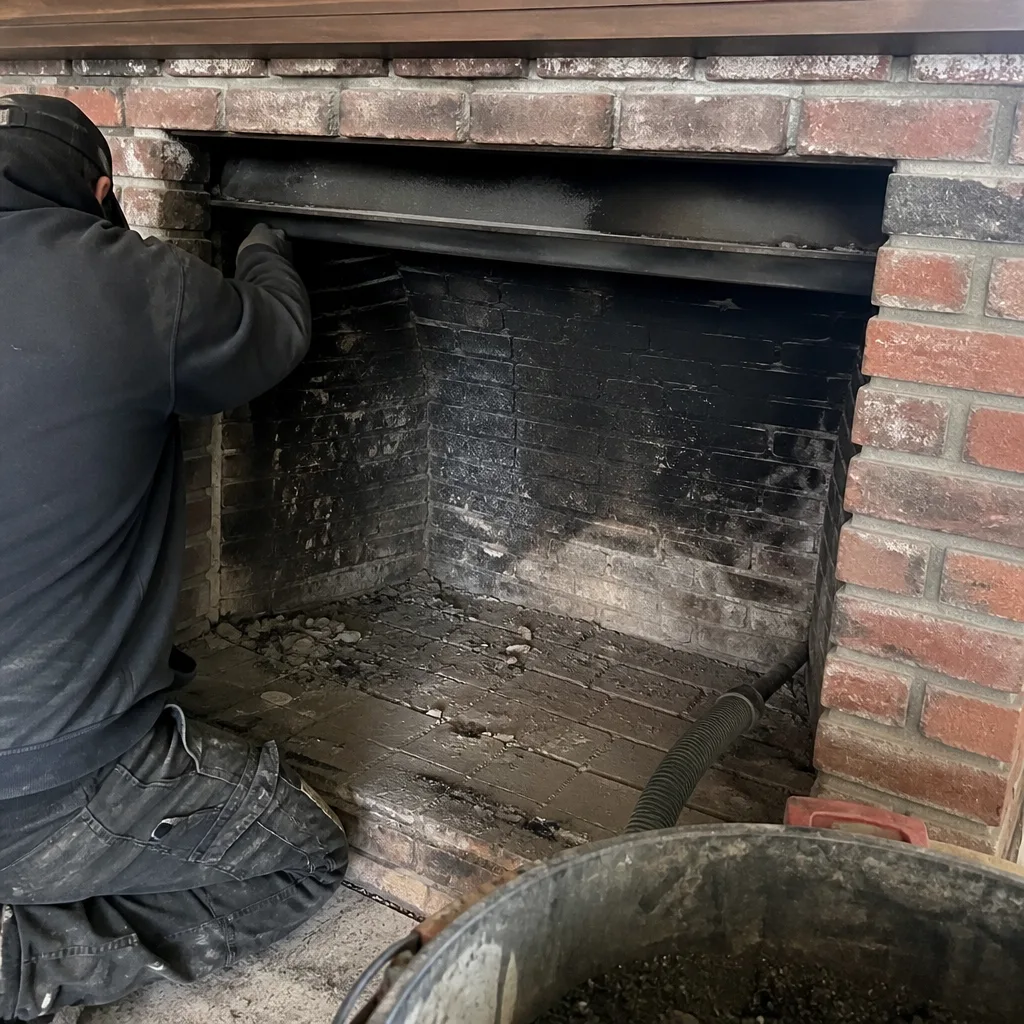 Before
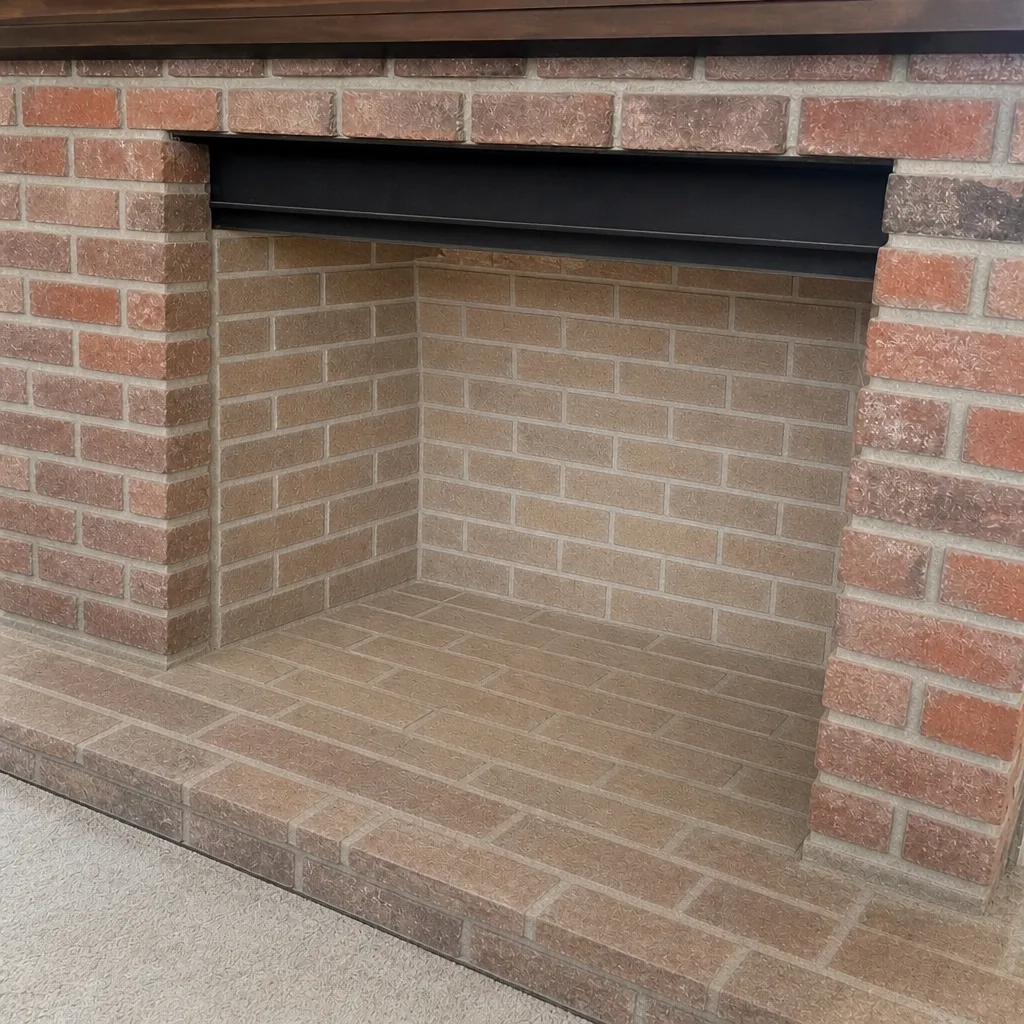 After
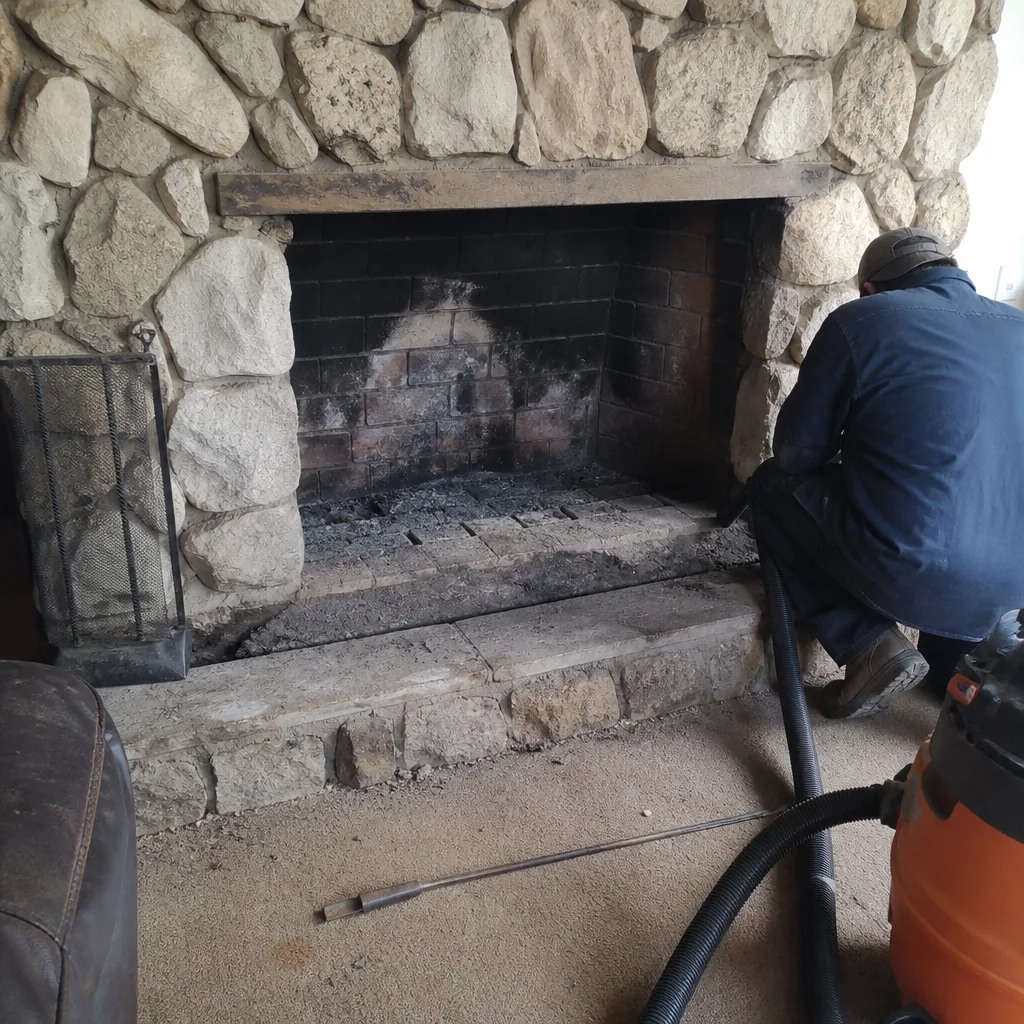 Before
 After
 Before
 After