
Last updated November 4, 2026
 Sweep & inspection
 Caps & crowns
 Flue relining
 Masonry repair
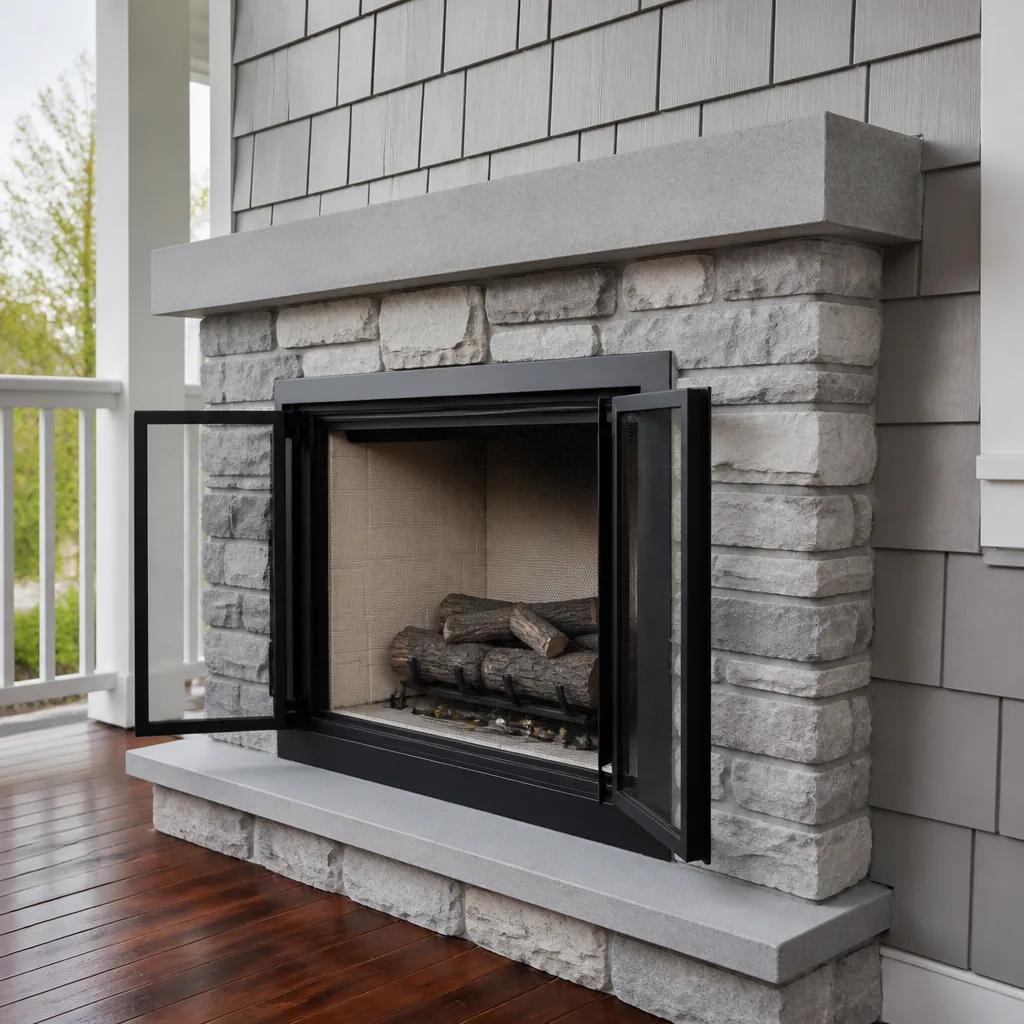 Gas fireplace service
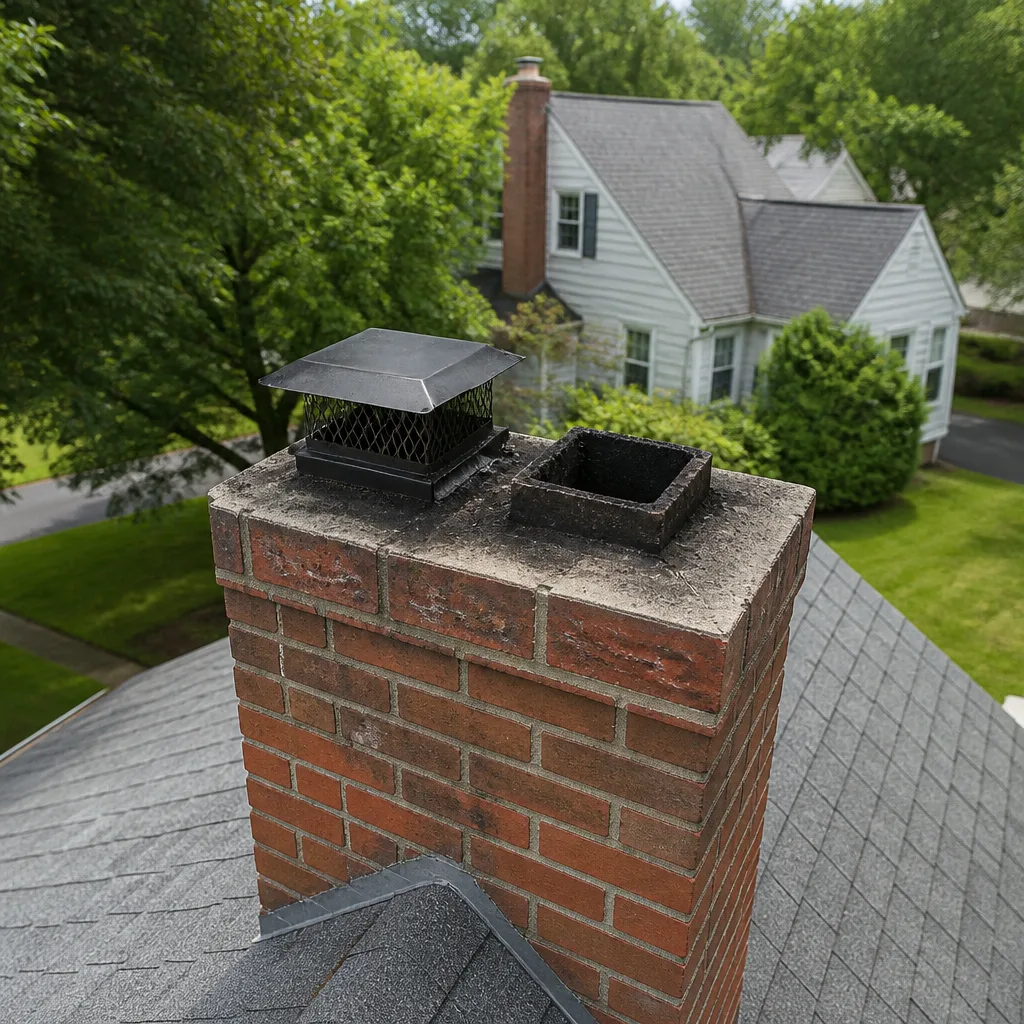
Level 1 sweep and inspection to the NFPA 211 annual standard - flue, crown, cap, and flashing checked and photographed
Chimney sweep logs do not sweep chimneys. They loosen some creosote - which then falls where a brush and vacuum still have to collect it.
Chimney Sweep Maintenance Checklist for Camarillo Homeowners
Most chimney checklists floating around were written for the Midwest. Snow load, freeze-thaw damage, bitter cold drafts. Camarillo gets none of that. What we do get is a marine layer that parks itself over the valley most nights from late spring through early fall, and wildfire smoke that drifts in from the hills during fire season. Both of those do specific things to a flue, and a generic checklist never mentions either one. This guide walks through the cleaning and inspection tasks that actually matter here, when to do them, and which ones you can handle with a flashlight versus which need a professional camera.
Quick Answer
A Camarillo chimney needs three timed checks per year: a pre-season inspection in October before the first fire, a mid-season creosote check in January, and a post-season moisture inspection in March or April. Homeowners can check the visible cap, damper seal, and firebox with a flashlight, but the flue interior, creosote levels, and any wildfire ash deposition require a professional camera inspection to assess accurately.
Styles & brands we work with
- Sweep & inspection
- Caps & crowns
- Flue relining
- Masonry repair
- Gas fireplace service
Table of Contents
- October: The Pre-Season Checklist
- January: The Mid-Season Creosote Check
- March – April: The Post-Season Moisture Audit
- Wildfire Smoke and Ash: The Camarillo-Specific Concern
- Flashlight vs. Camera: What You Can Actually Check
- The Dryer Vent Overlap: Why It Belongs on the Same Checklist
- Common Mistakes to Avoid
- When to Call a Professional
October: The Pre-Season Checklist
For Camarillo homeowners who burn wood, the season typically opens in November and runs through March. That makes October the month to get the chimney ready. The weather is still warm, the marine layer is thinning out, and there is no pressure to rush a repair before a cold night. A pre-season check is the difference between finding a cracked flue tile on a Tuesday afternoon and finding it by smell on the first chilly evening.
Here is the homeowner-level checklist before the first fire:
- Look up at the chimney cap. Is it still sitting straight? A chimney cap keeps rain out when the marine layer condenses on the roof and drips, but a bent or missing cap lets that moisture pool inside the flue. In Camarillo, the overnight marine layer from roughly May through September means moisture exposure happens even in months with zero rain.
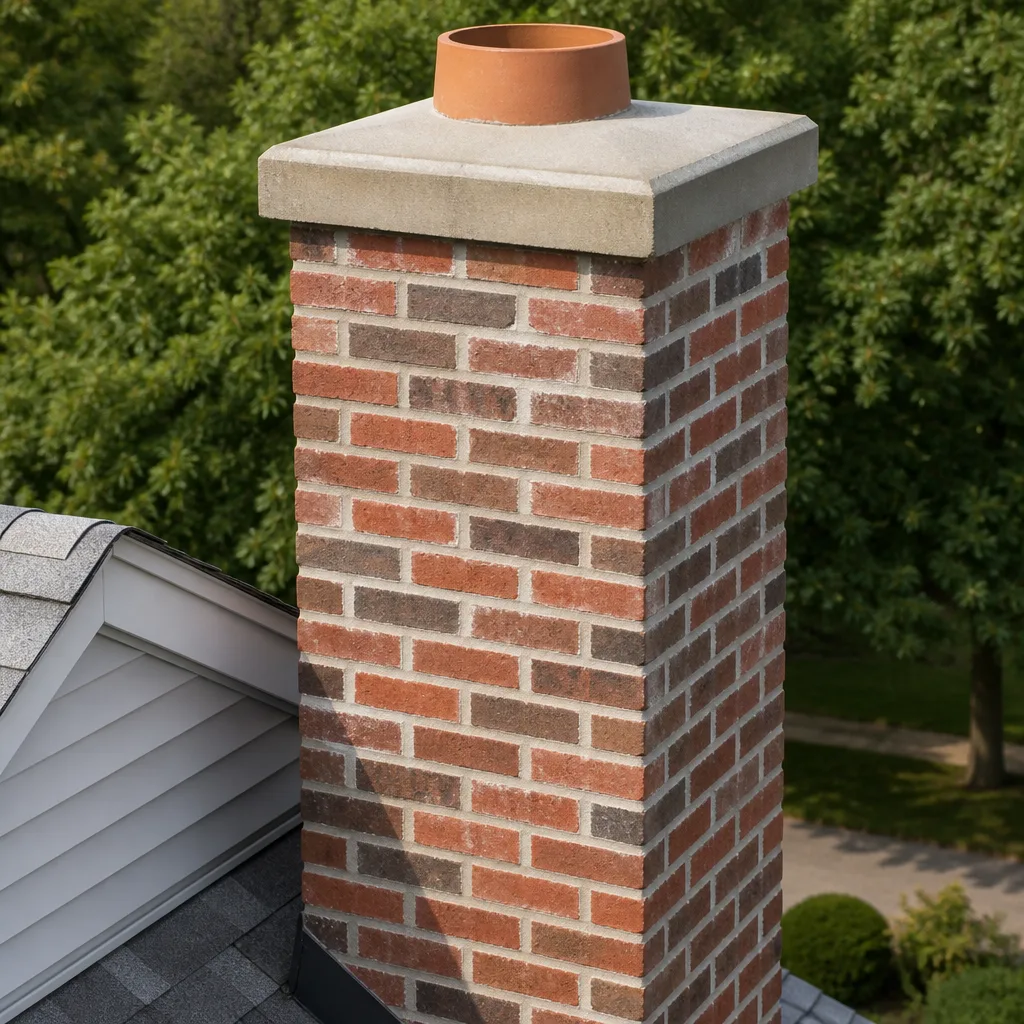
- Check the crown for visible cracks. The concrete crown is the slab at the top of the chimney. Hairline cracks widen with sun exposure, and Camarillo gets plenty of afternoon sun. Water that seeps into a cracked crown travels down into the masonry and accelerates deterioration.
- Open and close the damper fully. If the damper handle is stiff, rusted, or feels loose, that seal is compromised. A damper that does not close tightly lets conditioned air escape all winter and lets cooled air draft down in summer.
- Shine a flashlight into the firebox. Look for flaking brick, crumbling mortar joints, or evidence of water staining on the back wall.
- Confirm the flue is clear. Any nesting material, leaves, or debris at the base of the firebox is a signal that something entered through an uncapped or damaged flue.
What you cannot see from the firebox is the internal condition of the flue. That is where a professional chimney sweep comes in. A camera inspection in October catches what a flashlight check misses: hairline cracks in clay liners, early-stage creosote glaze, and ash residue from the previous fire season that has hardened over the summer.
January: The Mid-Season Creosote Check
By January, a wood-burning Camarillo household that has been running fires since November has accumulated creosote. How much depends on burn habits, wood type, and how hot the fires run. Creosote is the byproduct of incomplete combustion: it condenses on flue walls as a sticky film, then hardens into a tar-like layer under repeated heat cycles.
The reason a January check matters is that creosote is the fuel for chimney fires. A quarter-inch of glazed creosote is enough to sustain a fire inside the flue. And unlike a fireplace fire, a flue fire burns at temperatures that crack clay liners and warp metal components in minutes.
Mid-season checklist:
- Has smoke been entering the room on startup? That indicates a drafting problem, which often traces to creosote buildup narrowing the flue passage.
- Is there a campfire smell in the house when the fireplace is not in use? That odor usually means creosote has built up enough to off-gas into the living space.
- Do you hear a rumble or see a fire glow above the damper during a burn? If so, cut off the air supply and call a professional that day. That is an active flue fire signature.
- Check the firebox ash level. Ash should be removed when it reaches about an inch deep. More than that restricts airflow and lowers combustion temperature, which produces more creosote.
- Look at the damper plate. A black, shiny, dry coating is advanced creosote. This needs professional removal before the next fire.
For households burning primarily gas logs, the January check is less about creosote and more about burner condition. Gas logs produce no creosote, but they do produce water vapor. That vapor condenses inside a flue that was originally sized for wood, and over time it corrodes the metal liner or spalls the clay tile. We see this regularly in Camarillo homes that converted from wood to gas without relining the flue.
If you have used your fireplace regularly through November and December and have not had a professional cleaning this season, January is the right time. By this point in the burn window, enough creosote has accumulated that the margin for error shrinks quickly.
March – April: The Post-Season Moisture Audit
The fires go out in March. That is when the chimney starts taking on water. Camarillo’s rainy season runs roughly November through March, with the heaviest rain often in February and March. Then the marine layer picks back up in late spring, delivering nightly condensation events through the dry months.
Moisture is the single most damaging force in a masonry chimney. Water enters through cracked crowns, deteriorated mortar joints, or failed flashing at the roofline. Once inside the masonry, it expands and contracts with temperature swings, which in Camarillo means hot afternoons and cool nights. That cycle spalls brick and widens cracks a little more each season.
The post-season audit should include:
- A visual check for white staining on exterior brick. White powdery residue is efflorescence, which means water has been moving through the masonry and leaving mineral deposits behind.
- An inspection of the flashing where the chimney meets the roof. Gaps or lifted flashing let rainwater run directly into the ceiling and wall cavities.
- A look for spalled brick on the chimney exterior. Spalling means the brick face has flaked off, exposing the softer interior. This is irreversible damage that accelerates once started.
- A check of the cap and crown after the rainy season. If you saw cracks in October, they have had a full winter of rain running through them. Now is when the damage shows.
- An interior moisture check. Dark stains around the damper or firebox walls indicate water entry from above or from failed step flashing.
This is also when we recommend a full cleaning, even for occasional burners. The last fires of the season leave a fresh creosote layer that sits in the flue for seven to eight months. Over summer, it hardens and becomes more difficult to remove, and it retains odor that seeps into the house on warm days. A spring sweep sends the chimney into the dormant season clean, which is objectively the better way to store it.
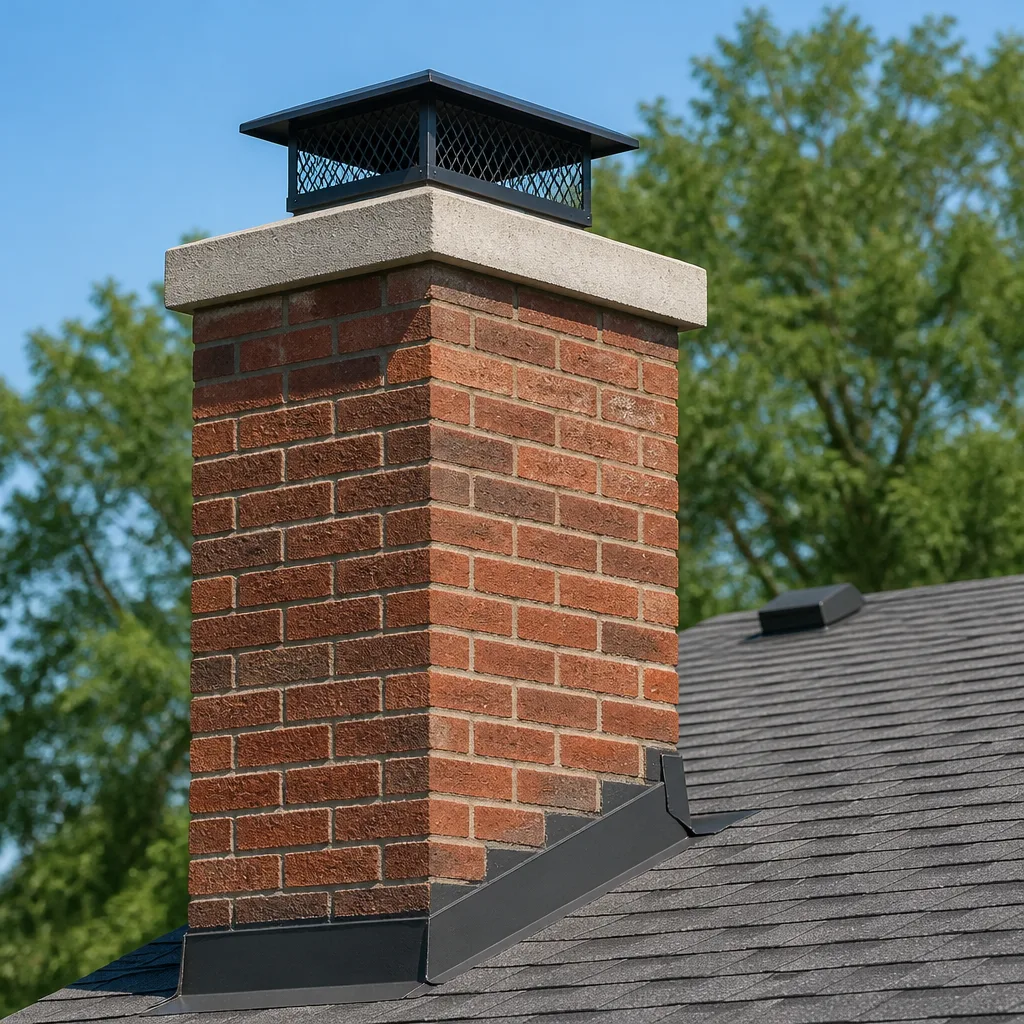
For a professional-grade cap replacement, we use Gelco caps, which are built for the specific kind of moisture management a Camarillo chimney needs: corrosion-resistant fasteners, quality screen mesh, and formed metal that holds its shape through the valley’s afternoon sun.
Wildfire Smoke and Ash: The Camarillo-Specific Concern
Most chimney checklists never mention wildfire smoke because most places do not live with it the way Ventura County does. Camarillo sits downwind of burn zones that have produced significant smoke events in recent years. When smoke drifts over the valley, it does not just hang in the air. It settles into any opening it can find, and an uncapped or uncovered chimney is an open channel.
Wildfire ash is finer than fireplace ash. It is lighter, more mobile, and it carries residue that wood fire ash does not: burned structural materials, synthetic compounds, and fine particulate that clings to flue walls. In our experience, chimneys that go unused through fire season often collect a measurable layer of this debris inside the flue, particularly when there is no cap installed.
There are two direct problems with wildfire ash in a flue:
- It is acidic. Ash mixed with ambient moisture creates a mild acid that etches masonry surfaces. Clay tile liners absorb that moisture and deteriorate faster.
- It restricts airflow. Even a thin layer of fine ash changes the combustion dynamics on the next burn. The fire drafts poorly, burns cooler, and produces more creosote from day one of the new season.
The fix is straightforward. If you live in a Camarillo neighborhood that experienced visible ashfall during fire season, do not assume an October sweep handles it. Have the flue checked before the burn season starts, and if you have a gas fireplace or a wood-burning unit you rarely use, still have the flue inspected. An unused chimney collects what the wind delivers.
Homes in the hillside communities and the newer developments off the 101 corridor are not immune. Smoke travels; elevation does not matter. Any open vertical flue is a collection point. A quality cap installed over the flue, like the Gelco or Olympia Chimney products we use, reduces ash intrusion dramatically. But no cap blocks everything, and an annual check remains the reliable method for catching buildup.
Flashlight vs. Camera: What You Can Actually Check
There is an honest split between what a Camarillo homeowner can assess and what requires professional equipment. Being clear about this prevents two failure modes: the homeowner who worries unnecessarily about what they cannot see, and the homeowner who assumes everything is fine because what they can see looks okay.
What you can check with a flashlight:
- The cap and crown from the ground, or from a ladder only if you are comfortable and the ladder is stable on level ground
- The damper: whether it opens fully, closes fully, and whether the plate shows heavy black buildup
- The firebox: cracked panels, loose mortar, water staining, excessive ash
- The flashing at the roofline, if visible from a window or the yard
- Obvious exterior damage: spalled brick, missing mortar, a leaning or cracked chimney
What requires a professional camera inspection:
- The internal condition of the flue liner from throat to cap. The entire middle length of the flue is invisible from either end without a camera.
- Creosote thickness measurements. Glazed creosote looks black regardless of depth; knowing whether it is an eighth-inch film or a quarter-inch fuel layer changes the urgency.
- Hidden liner cracks. A clay tile that has cracked behind the smoke shelf produces no visible symptom until smoke enters the wall cavity or carbon monoxide backs into the house.
- Wildfire ash accumulation inside an unused flue. It can coat the interior without ever being visible from the firebox.
- Moisture intrusion points that are not yet visible from the exterior. Efflorescence typically lags water entry by months.
This is the line we use internally: if it requires a ladder on the roof or a camera in the flue, it is professional work. The roof inspection alone is dangerous enough that we do not recommend a homeowner climb a ladder onto a tile roof to inspect a cap. Tile roofs in Camarillo are common, and a cracked tile creates a second problem that now also costs money.
The Dryer Vent Overlap: Why It Belongs on the Same Checklist
A chimney sweep and a dryer vent are different systems, but they live on the same maintenance calendar and they fail in the same way: flammable material accumulates inside a vertical vent until airflow is restricted enough to cause a fire. The household that maintains a chimney carefully but ignores the dryer vent has addressed half the problem.
Dryer lint is combustible. It is not a slow smolder risk like creosote; it is a direct ignition risk because the dryer produces high heat at the lint collection point. In a lint-clogged vent, that heat does not dissipate. It builds until the lint reaches ignition temperature. The leading cause of dryer-related house fires is clogged lint venting, and the failure usually happens inside the wall or in the vent run, nowhere near the user-removable lint screen.
We handle dryer vent cleaning alongside chimney work because the inspection method is identical: a camera goes into the vent, the debris is measured, and the decision to clean is based on what we see, not on a calendar guess. A household that dries three or more loads per week, particularly with heavy items like towels or bedding, usually needs an annual cleaning. A smaller household with a short vent run might go longer.
For Camarillo homeowners, the wildcard is the same wildfire smoke that affects the chimney. The dryer vent pulls air from inside the house, which pulls outdoor air in through whatever gaps exist. Vent hoods without a proper backdraft damper let smoke and ash drift into the vent run during fire season, and that debris sticks to the lint already present. A lint clog that would have been manageable by spring becomes fully blocked sooner.
We recommend treating the chimney and dryer vent as one maintenance system. If the chimney gets its October check, the dryer vent should be inspected in the same visit. They are not the same service, but they are the same fire-prevention discipline.
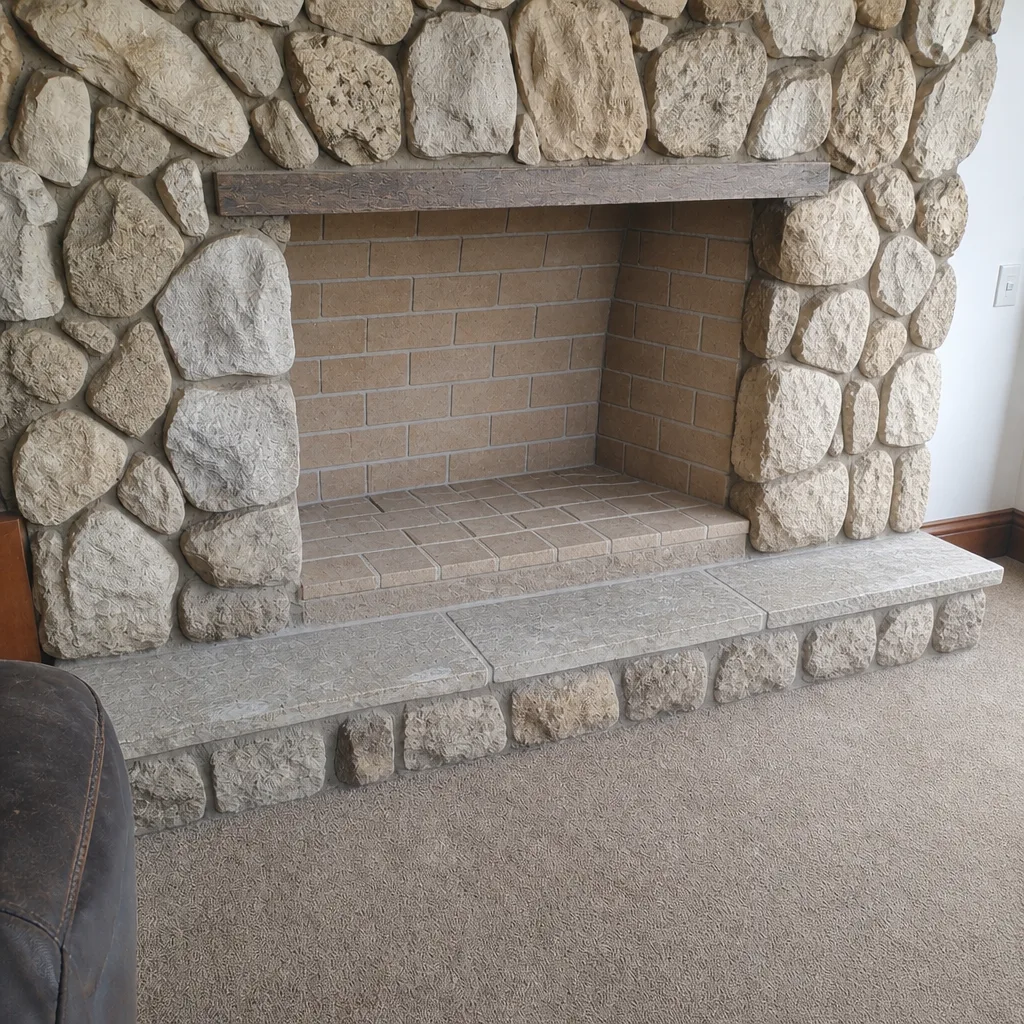
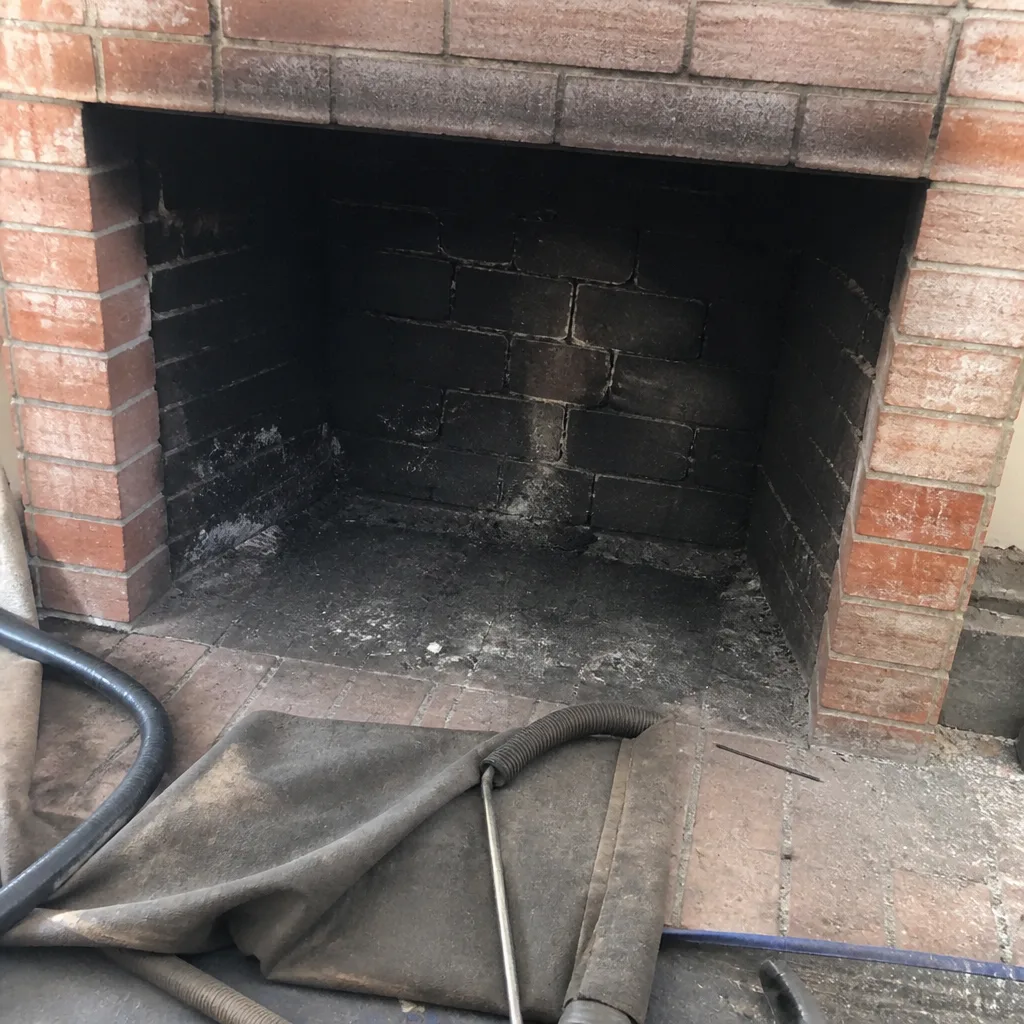
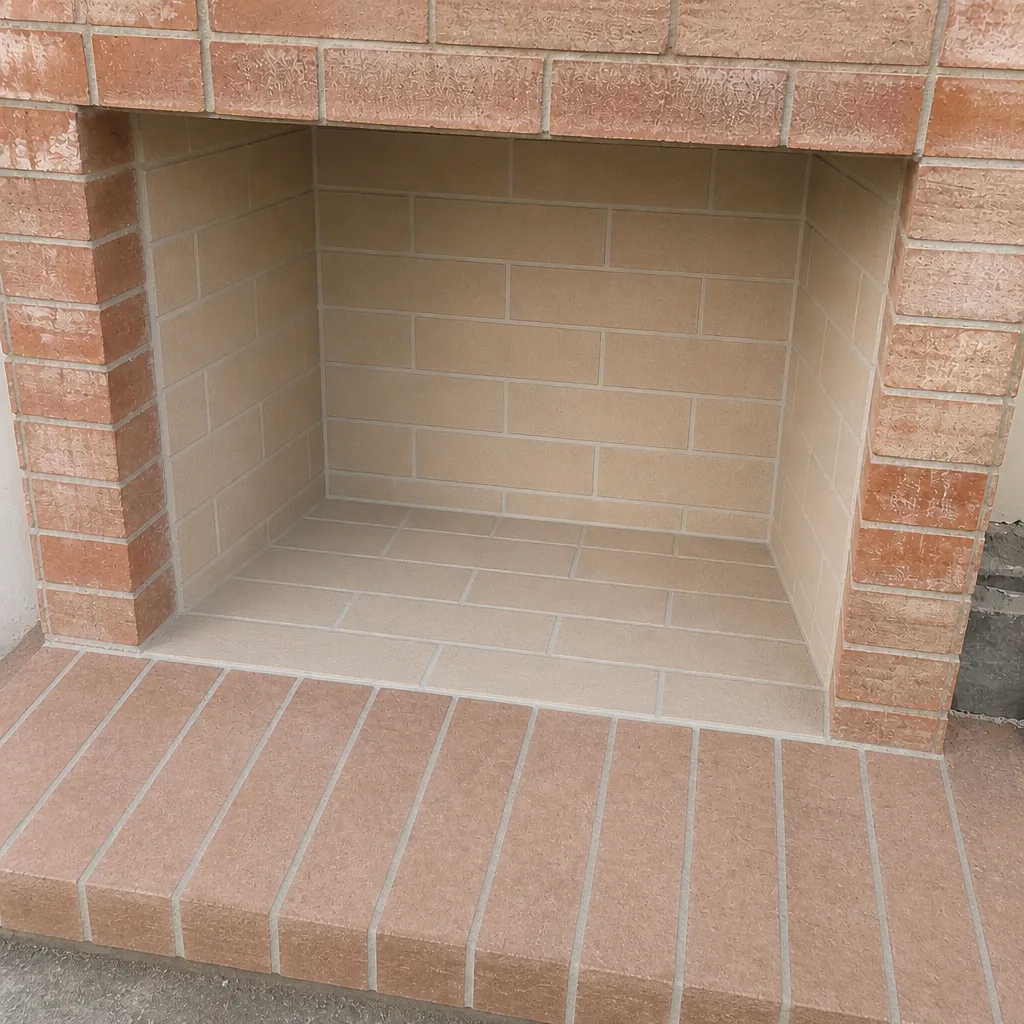
See the difference
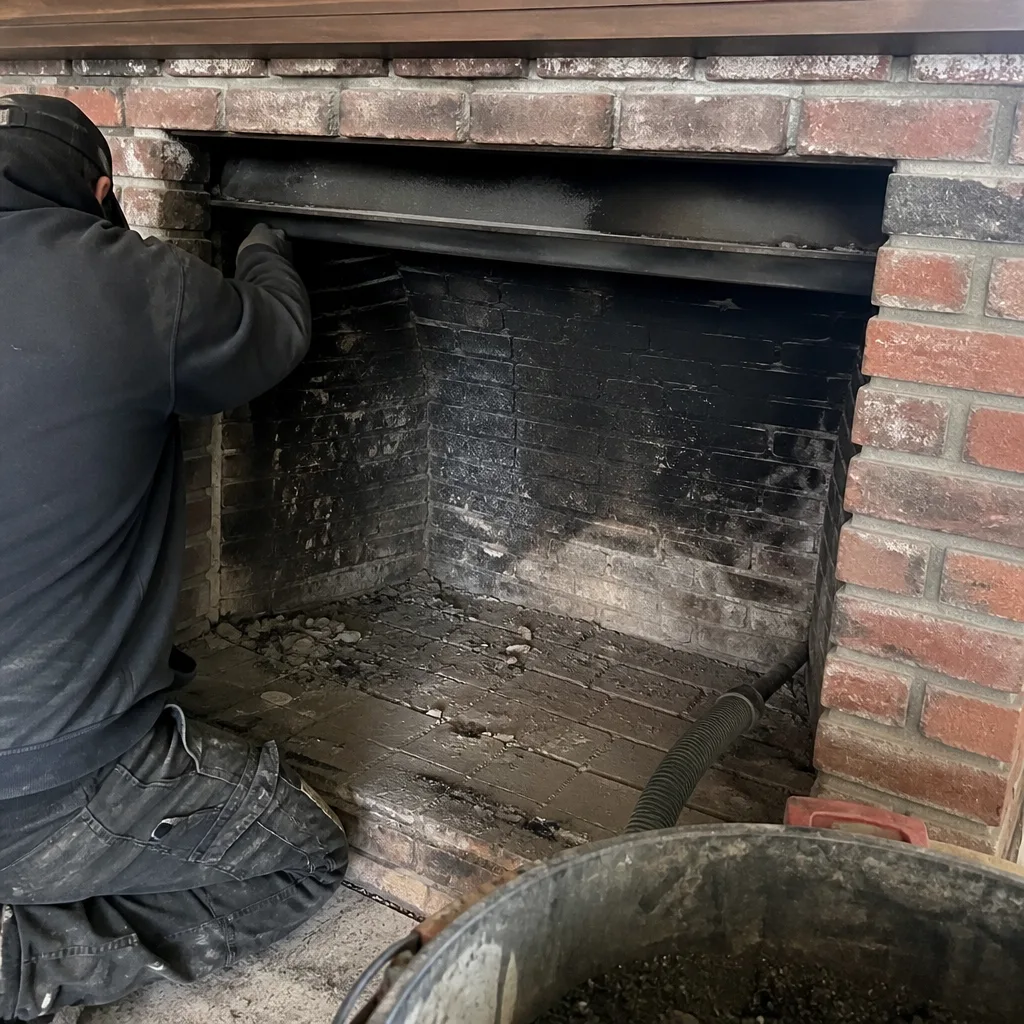 Before
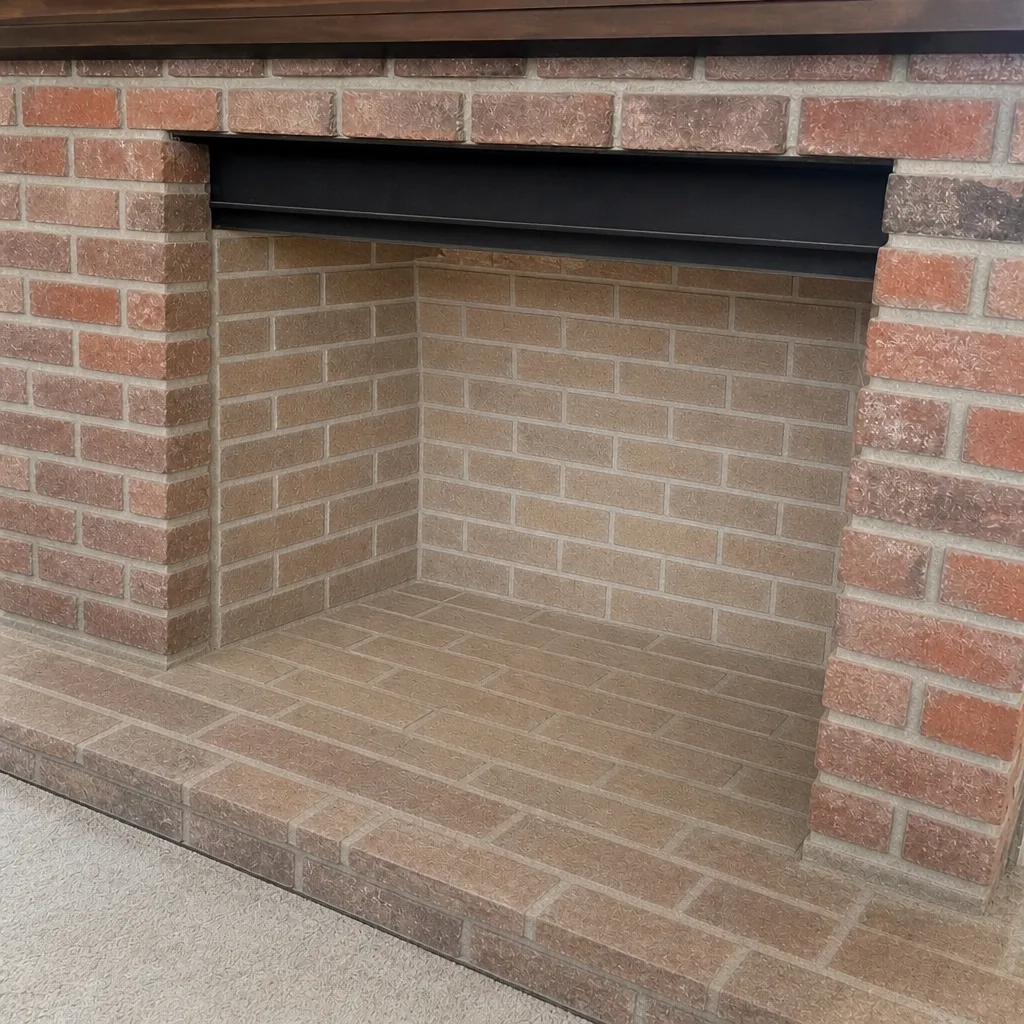 After
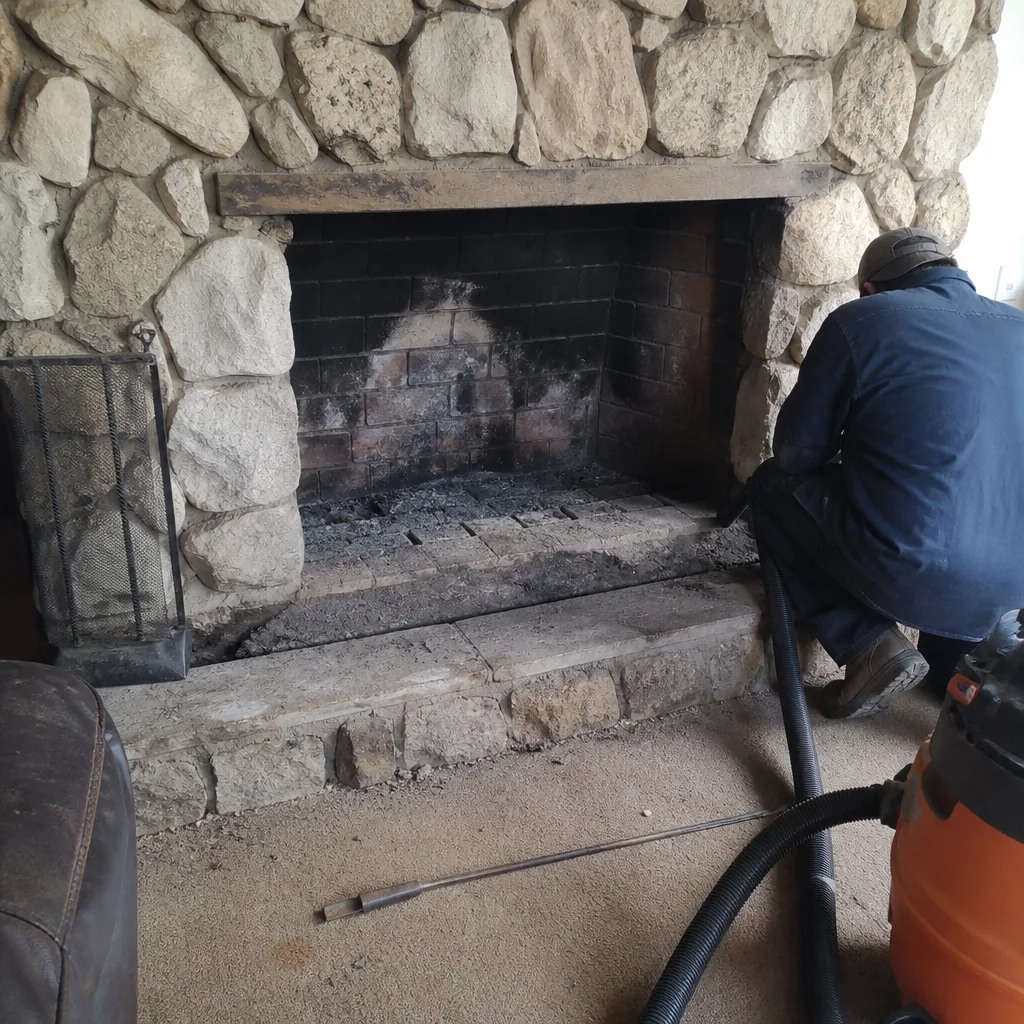 Before
 After
 Before
 After
What Materials Actually Get Used on a Camarillo Chimney
When a chimney does need something replaced, the material matters more than most homeowners realize. A cheap cap from a hardware store and a professional-grade cap look similar on the shelf and perform differently on the roof. The same is true for liners, flashing components, and vent parts.
We install professional-trade materials for a reason. A Gelco cap, for example, is engineered for long UV exposure and repeated moisture cycling. Camarillo gets real afternoon sun, and a thin gauge cap snaps at the mounting brackets faster than anyone wants to revisit. Olympia Chimney products are built to the same standard, and Famco venting components are specified for professional installation because the fit tolerances are tighter and the metal is heavier.
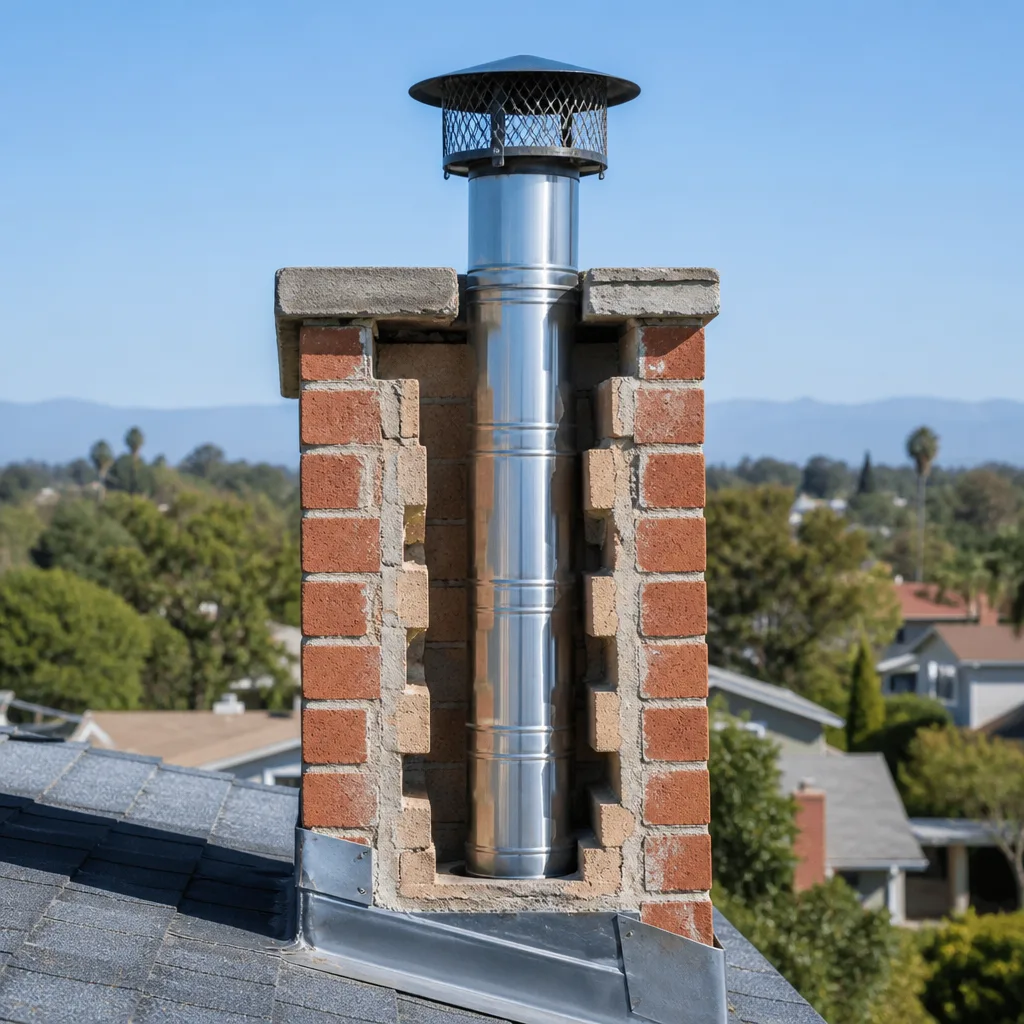
The liner is where this matters most. A full flexible liner installation requires removing the old liner, sizing the new one to the appliance, and insulating where required. We install DuraFlex flexible liner systems, which is a repair path rather than a cleaning issue, but recognizing the brand difference helps a homeowner understand why some estimates vary. Hardware-store liners are not the product a certified contractor would put in, and the labor difference is insignificant; the material difference is not.
Professional-grade materials, not hardware-store parts. That is the short version of why we make the sourcing decisions we make.
Common Mistakes to Avoid
- Waiting until the first cold night to schedule a sweep. In Camarillo, the first real cold snap arrives in November, and that is when every chimney company in the county is booked. The October window is the best time to get on the schedule, and it is also the lowest-stress time to discover that a repair is needed.
- Assuming a gas log fireplace does not need service. Gas logs produce water vapor that condenses and corrodes. The flue still needs inspection, the damper still needs sealing, and the burner still needs a service check. A gas fireplace is not maintenance-free.
- Skipping the cap because it “does not rain much.” The marine layer delivers moisture on nights with zero precipitation. An uncapped flue in Camarillo absorbs condensation from May through October, and the cumulative moisture damage rivals a rainy season.
- Burning unseasoned wood to save money. Wet wood burns cool, produces heavy creosote, and shortens the functional burn window. Seasoned hardwoods are the only fuel that makes sense for a Camarillo wood burner.
- Treating the dryer vent as a separate, forgettable system. It is not. A clogged dryer vent is a leading cause of residential dryer fires, and in households that run the dryer daily, it needs annual attention as much as the chimney does.
- Ignoring a slow draft or smoke rollout as a quirk. A fireplace that has always been a little smoky is usually telling you something. Backdrafting, flue restriction, or a damper problem is the most common root cause, and all three are fixable with professional attention.
- Cleaning only the visible parts of the firebox and calling it done. Creosote builds in the flue interior, not in the firebox. A clean-looking firebox can sit attached to a dangerously loaded flue. The camera sees what the broom does not.
When to Call a Professional
Any time a checklist item above requires a ladder on the roof, a camera in the flue, or a question about whether creosote is at safe depth, that is a professional situation. But some cases are simply not negotiable. A smoky fireplace, a chemical or campfire odor when the fireplace is off, visible flue fire within the chimney, or water staining around the damper or ceiling near the chimney: all of these warrant a call that day.
There is also the repair question. A crack in the flue liner, a damaged crown, a failed cap, a corroded dryer vent: these are not cleaning issues. They are repair issues that require a professional fix, and they usually cost less when caught early. Chimney Sweep Camarillo handles cleaning, repair, and dryer vent work as a single specialized operation. The same Camarillo crew that runs the camera also recommends what to fix, and we identify what is wrong before we recommend what to fix. Call (833) 589-9263 for a free estimate in Camarillo. We answer 24/7. Fast dispatch from 7am to 7pm, Sunday through Friday.
Frequently Asked Questions
For a wood-burning fireplace in regular use from November through March, have the chimney swept annually, ideally in the spring after the final burn or in October before the first. The National Fire Protection Association standard is that chimneys should be inspected annually and cleaned when creosote reaches a certain depth. In practice, a Camarillo household burning seasoned wood three to five nights per week through the winter will need a sweep by spring. Call (833) 589-9263 to schedule an inspection.
No, and a reputable chimney contractor should show you the camera evidence before recommending liner replacement. Some liner damage is repairable with a resurfacing system like HeatShield, which restores the liner interior without a full replacement. Other cases genuinely require a new flexible liner. The distinction comes down to the extent and location of the damage, and you should see it for yourself before approving the work. We do not recommend a liner job without camera evidence that you can review.
Creosote accumulates, the flue narrows, draft worsens, and the cooling gases deposit more creosote faster. The risk profile changes from routine to serious once the creosote thickness reaches the point where it can sustain a flue fire. A flue fire can crack the liner, damage the masonry, and in the worst case spread to the structure. Separately, moisture entry through an uncapped or damaged crown degrades the chimney slowly while the homeowner sees nothing. The consequence is usually a repair bill far larger than the money saved by skipping the sweep.
You can, but the results are limited. A homeowner brush kit removes loose creosote from the lowest reachable portion of the flue and makes a mess in the living space. It does not measure what remains, it does not remove glazed creosote, and it does not tell you whether the liner has cracked behind the smoke shelf. For dangerous buildup or unknown liner condition, a professional camera inspection is the only reliable method to confirm safety. The firebox brushing is surface work; the flue is where the fire risk lives.
Yes. The marine layer delivers high humidity without precipitation, and that moisture condenses on cool chimney surfaces. Over months of nightly condensation, a small amount of water repeatedly enters the masonry and evaporates, leaving minerals behind and slowly eroding the mortar. This is why uncapped chimneys in Camarillo deteriorate even in dry years. A cap and a sealed crown are the primary defenses against this specific moisture path.
The price for a standard chimney sweep depends on the flue configuration, the creosote condition, and whether any repairs are identified during the inspection. The estimate is free, and the written estimate sets the final price before any work begins. Call (833) 589-9263 for an exact quote based on your fireplace.
The Bottom Line
A Camarillo chimney lives on a specific timeline. October pre-season checks, January creosote monitoring, and March-to-April moisture audits fit the burn window and the climate pattern. Wildfire ash and marine layer condensation are the two local variables that most checklists ignore, and both are constant factors here. The homeowner can check the visible parts with a flashlight, but the flue interior requires a camera to assess properly. Treat the dryer vent with the same priority as the chimney, use professional-grade materials when something needs replacing, and do not let a small problem sit through a dormant season. The systems fail slowly, and then they fail visibly.
Written by the team at Chimney Sweep Camarillo, serving Camarillo since 2015.