
Last updated November 4, 2026
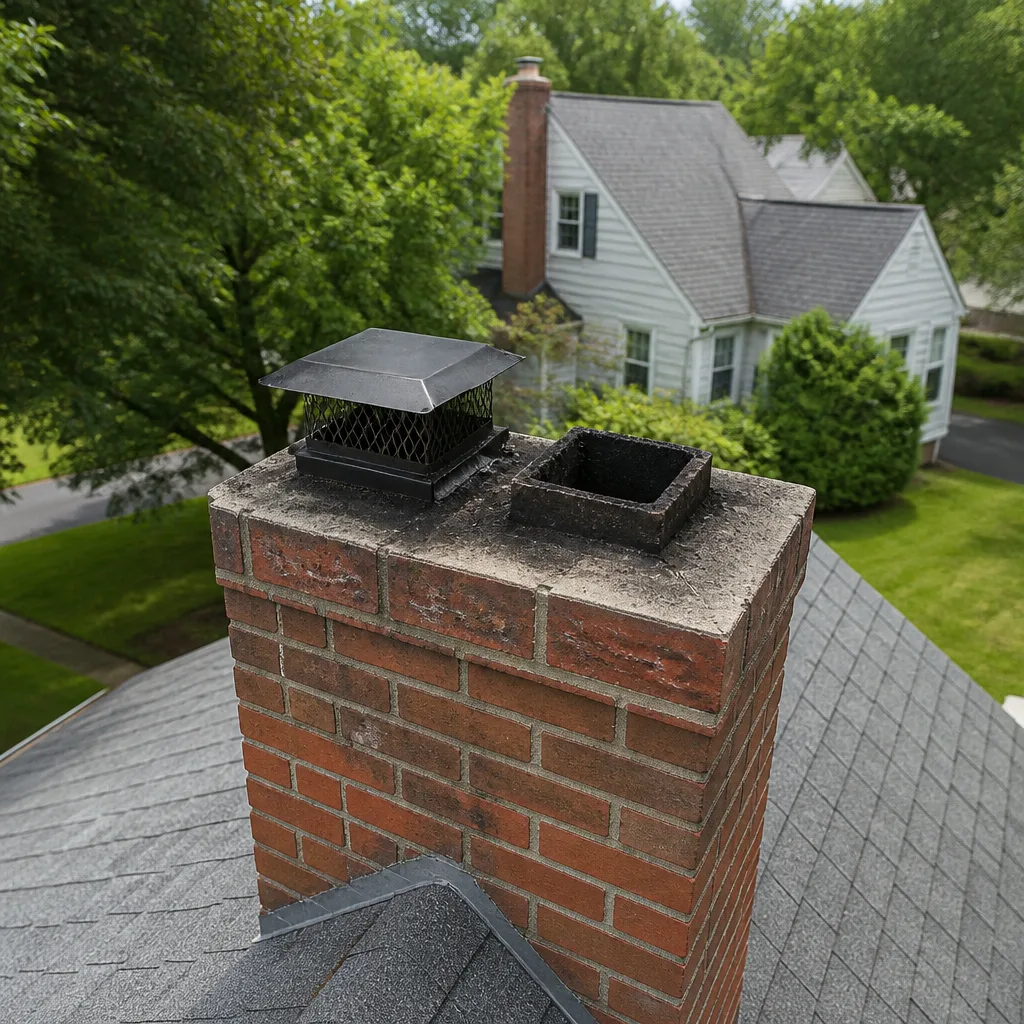 Sweep & inspection
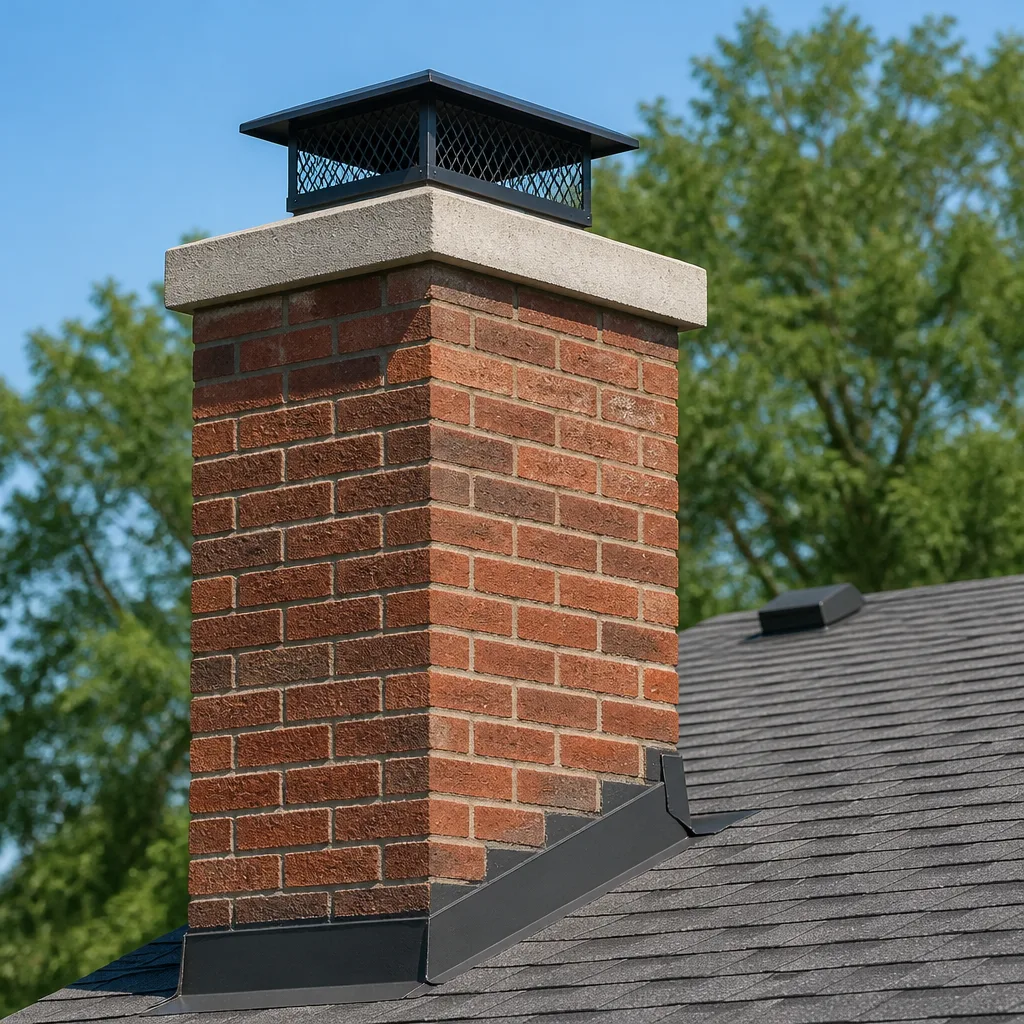 Caps & crowns
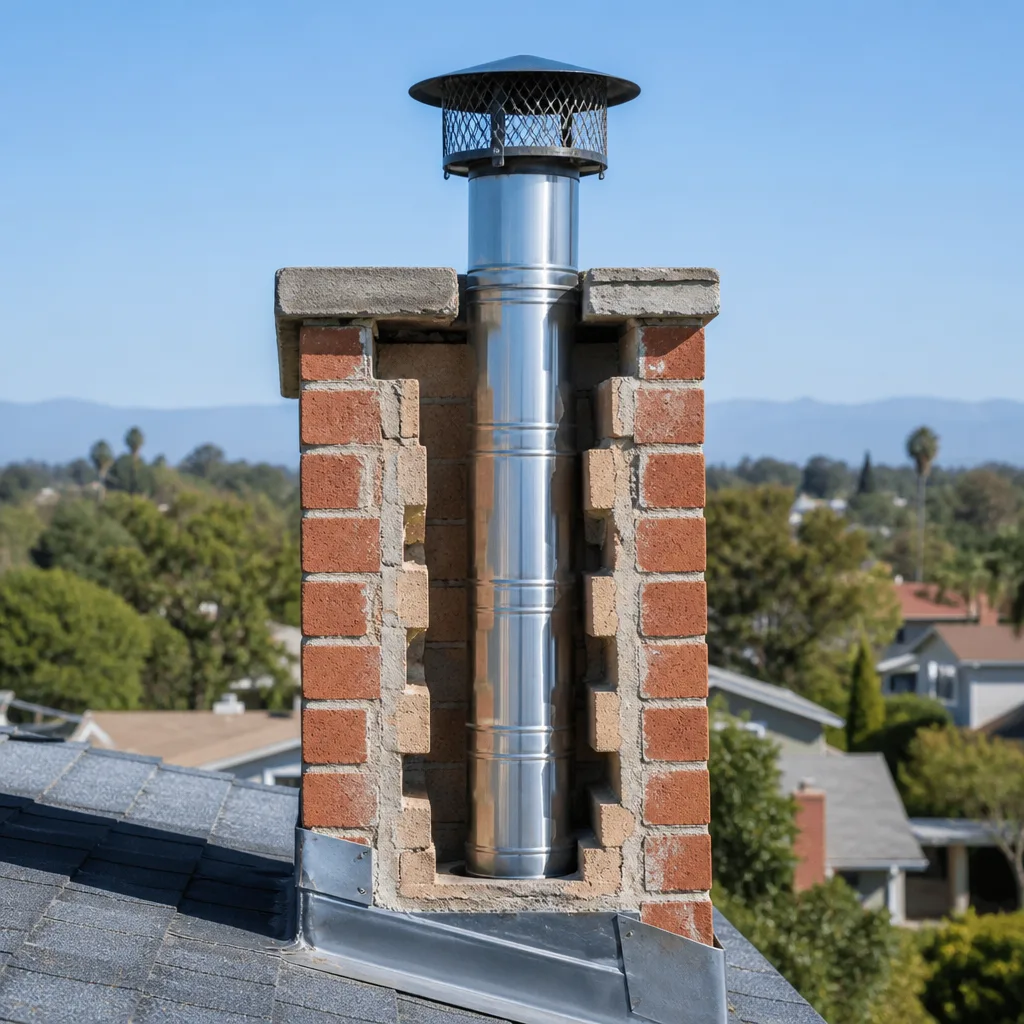 Flue relining
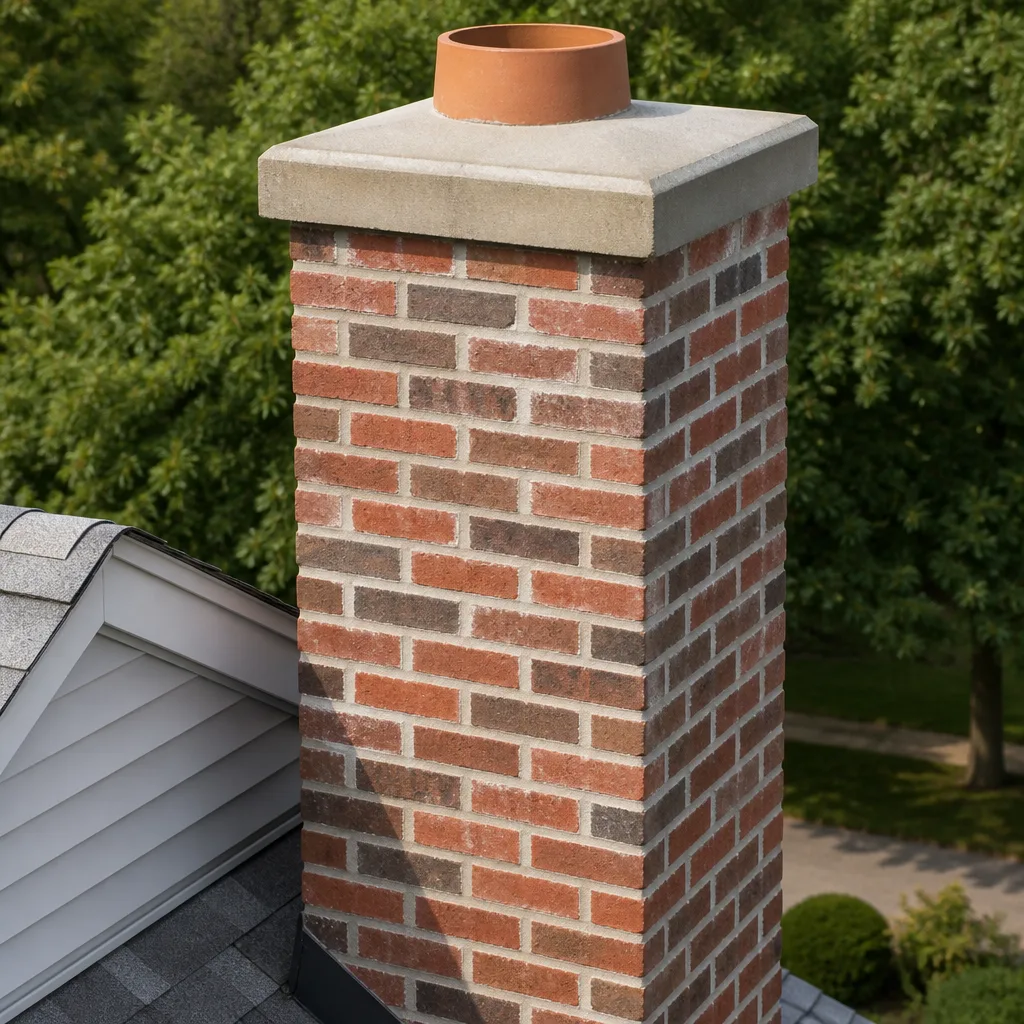 Masonry repair
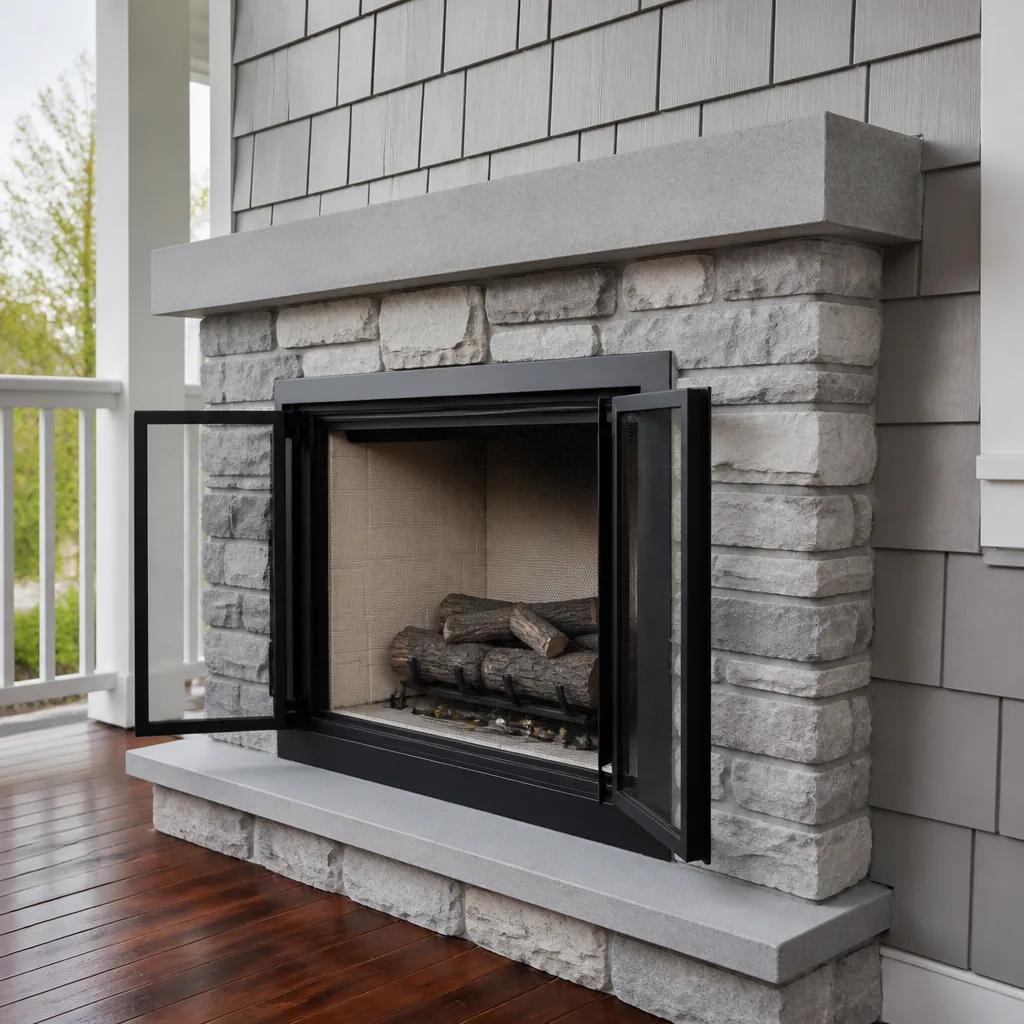 Gas fireplace service
Level 1 sweep and inspection to the NFPA 211 annual standard - flue, crown, cap, and flashing checked and photographed
Chimney sweep logs do not sweep chimneys. They loosen some creosote - which then falls where a brush and vacuum still have to collect it.
Chimney Sweep Maintenance Schedule: What to Do and When
Most homeowners in Camarillo treat chimney maintenance the way they treat changing smoke detector batteries: once a year, whether it needs it or not. That single-visit habit is why Stage 2 creosote builds up behind the damper without anyone noticing until a sweep pulls out a camera and shows you the glaze. This guide replaces the calendar-default mindset with a schedule built around how you actually burn: cords per season, wood type, appliance type, and whether your dryer vent rides the same maintenance calendar it should.
Quick Answer
A wood-burning fireplace in Camarillo needs a professional chimney sweep after roughly every cord of wood burned, not just once per calendar year. Homes that burn three fires a week from December through February often need two sweeps per season, while gas inserts and occasional-use fireplaces can go longer between visits. Your dryer vent needs cleaning every 12 months at minimum, and more often with longer duct runs or heavy laundry use.
Styles & brands we work with
- Sweep & inspection
- Caps & crowns
- Flue relining
- Masonry repair
- Gas fireplace service
Table of Contents
- The Real Variable: How Much You Burn, Not What Month It Is
- How to Calculate Your Sweep Frequency
- Pre-Season Tasks: October in Camarillo
- Post-Season Tasks: After the Last Fire
- Where the Dryer Vent Fits on the Same Calendar
- What You Can Check Yourself Between Visits
- Documenting Condition Year Over Year
- Common Mistakes to Avoid
- When to Call a Professional
- Frequently Asked Questions
The Real Variable: How Much You Burn, Not What Month It Is
Every chimney sweeps differently depending on how hard it works. A fireplace that sees six fires total between Thanksgiving and New Year’s accumulates creosote slowly. A fireplace running three fires a week through Camarillo’s mild winter, which is most of the burn window here, does not. The annual-inspection rule most people know is a minimum floor. It is not a maintenance plan, and it is not a schedule. It is the lowest bar for a chimney that gets occasional use.
The actual schedule comes from your burn volume. One cord of seasoned oak burned in a standard open fireplace produces enough creosote to warrant a sweep. Burn two cords, and you need two visits. This is not a guess. It is how creosote accumulation actually works: every fire deposits a thin layer, and the layers do not burn away on their own. They build. In Camarillo’s climate, where temperatures rarely force a fire every night but people still enjoy a fire most evenings in December through February, a household that thinks of itself as “regular” users will typically burn a cord to a cord and a half per season. That means one sweep at minimum, and two for the heaviest burners.
Wood type matters just as much as volume. Soft woods burn faster and cooler, producing more creosote per fire. Hardwoods like oak and almond, common in Camarillo, burn hotter and cleaner but still deposit creosote over time. If you are burning mixed wood or anything less than fully seasoned, you are building up deposits faster than you think.
How to Calculate Your Sweep Frequency
Here is the calculation in plain terms, with no guesswork required:
- Track your wood for one season. How many cords do you actually burn? A cord is a stack 4 feet high, 4 feet wide, and 8 feet long. Most Camarillo homeowners using the fireplace for ambiance rather than heat burn between half and one cord per season.
- Assign a sweep need of one visit per cord burned. This is the working rule for an open masonry fireplace burning seasoned hardwood. Burn a full cord, schedule one sweep at season’s end. Burn two cords, schedule two: one mid-season and one post-season.
- Adjust for wood type. If you burn softwood like pine or fir, which lights easily and burns fast, creosote accumulates faster. Assume one sweep per three-quarters of a cord rather than one full cord.
- Adjust for appliance type. A wood stove with a modern catalytic or secondary-burn system produces far less creosote per cord than an open fireplace. A standard open fireplace is the least efficient and the fastest to accumulate deposits. Gas inserts produce no creosote but need an annual inspection for venting integrity, blockages, and burner condition.
- Never go more than 24 months without an inspection, even with zero fires. Chimneys deteriorate from weather exposure, animal intrusion, and time alone. An unused chimney in Camarillo still needs a trained eye every couple of years.
This calculation puts you ahead of the calendar method because it accounts for the single variable that matters most: how much smoke and vapor actually moved through your flue. A household that burned half a cord and got a sweep anyway has spent money on a clean chimney. A household that burned two cords and only got one sweep now has a deposit problem that could have been avoided.
Pre-Season Tasks: October in Camarillo
Before the first fire of the season, before the nights cool off enough to make a fire appealing, run through the pre-season checklist. This is everything you can see without specialized tools, plus the one thing you should never skip: the professional inspection.
- Look up at the chimney cap. From the ground, check that the cap is present, seated correctly, and not tilted. A missing cap in Camarillo means birds, rodents, or debris have access to the flue. The mild climate means nesting season runs long, and a cap that disappeared in spring may have been open through half of summer. Chimney caps from Gelco, which we install as part of our repair work, are built to withstand the wind that pushes through the Camarillo area and to keep animals out year-round.
- Check the damper operation. Open and close the damper several times. It should move freely and seat fully. A damper that sticks or does not close completely will let conditioned air escape all season and will let smoke back into the room when the fire is getting started.
- Shine a flashlight up from the firebox. Look for visible creosote glaze, which appears shiny and black rather than dull and sooty. Stage 1 creosote is flaky and brushable. Stage 2 is tar-like and requires more than brushing. If you see shine, call before burning.
- Clear the area around the fireplace. Remove anything flammable within three feet of the hearth, including furniture, rugs, and pet bedding. Camarillo homes with open-plan living areas often drift furniture toward the fireplace during summer months. Move it back before burning season starts.
- Schedule the professional inspection. Pre-season is the single most important professional visit of the year. It establishes that the flue is clear, the liner is intact, and the firebox is structurally sound before any fires happen. We recommend booking this in October, before the rush of first-fire enthusiasm creates a scheduling bottleneck.
Post-Season Tasks: After the Last Fire
When the last fire of the season has burned out and the ash has cooled, the chimney enters its off-season. This is when moisture, animal activity, and time do their work. The post-season checklist protects the chimney during the months it is not in use.
- Schedule the post-season sweep. If you burned roughly a cord or more, this is the sweep you need. It removes all the creosote deposited over the burning season so it does not sit in the flue, attracting moisture and corroding the liner through summer and fall. Creosote is hygroscopic, meaning it pulls moisture from the air. A dirty chimney left unattended through a Camarillo summer is absorbing humidity and sitting against your liner for months.
- Leave the damper slightly open or closed depending on the chimney. For most Camarillo homes, closing the damper after the season prevents conditioned air loss during summer air-conditioning months. If you have a top-sealing damper, the rule is simpler: close it and forget it. If you are unsure which type you have, the inspection report from your pre-season visit will tell you.
- Inspect the exterior masonry from the ground. Look for new cracks, spalling brick faces, or mortar joints that appear softer or more recessed than the surrounding mortar. Camarillo’s temperature swings are not severe enough to cause freeze-thaw damage, but wind-driven rain and time do affect masonry. Anything that looks changed from last year is worth photographing and noting.
- Schedule any repair work now rather than in fall. Repairs take time, and materials are more available in spring and summer than in October when every chimney in Camarillo is getting its pre-season inspection. If your pre-season inspection noted a liner issue, post-season is the time to address it. We install DuraFlex flexible liner systems and offer HeatShield chimney resurfacing as a restoration path that does not always require a full liner replacement. Getting this work done in spring or summer means your chimney is ready the day the first cool night arrives.
Where the Dryer Vent Fits on the Same Calendar
Chimneys and dryer vents share a maintenance calendar for a reason: both are exhaust systems that move hot air and particulate matter out of your home, and both become fire hazards when that exhaust path narrows. A clogged dryer vent is the leading cause of dryer-related house fires, and the fix is exactly the kind of dryer vent cleaning that belongs on the same schedule as your chimney sweep.
The standard interval for dryer vent cleaning is 12 months, but Camarillo homes frequently have longer duct runs than the national average. Many homes here route the dryer vent horizontally through the garage or a long interior wall before it exits the house. A longer run means more surface area for lint to accumulate and more resistance to airflow. If your dryer vent runs more than 10 feet from the dryer to the exterior, or has multiple turns, plan on cleaning every 6 to 9 months instead of annually.
Heavy laundry use pushes the interval shorter. A household doing eight or more loads per week will fill a vent with lint faster than one doing three loads. If you have a high-efficiency dryer that runs cooler, lint does not bake onto the duct walls as quickly, but it still accumulates. The signal that your vent is due is usually visible before it becomes a fire hazard: clothes take longer to dry, the dryer exterior runs hot, or you can see lint at the exterior vent hood. By the time those symptoms appear, the vent is already partially blocked, and you should book a cleaning rather than wait for the next scheduled date.
We handle chimney sweeping and dryer vent cleaning with the same crew and the same attention to detail, which means one call covers both of the primary exhaust fire risks in your home. Our dryer vent cleaning uses professional tools and the same standard of inspection we apply to chimneys: we identify what is wrong before we recommend what to fix.
What You Can Check Yourself Between Visits
Between professional visits, there are specific things a homeowner can and should look at. There are also things that require a professional camera and professional experience. Knowing the difference keeps you informed without putting you at risk.
What you can check safely from the ground or from the firebox:
- The exterior cap. From the ground, is the cap present and upright? Is anything growing from it or hanging from it? A tilting cap is a sign that wind has worked it loose, and it needs attention before birds get inside.
- The damper. Does it open and close smoothly? Does it seal? A damper that sticks half-open lets air move constantly, which pulls your conditioned air out in summer and disrupts the draft when you burn.
- The firebox interior. With a flashlight, look for cracked firebrick, gaps in the mortar joints, or any movement when you press gently on the firebrick. Loose or cracked firebrick is a repair item, not a cosmetic issue.
- Visible soot and creosote. A reasonable amount of fine black dust is normal after burning. Shiny black glaze or thick, tarry buildup is not. If you see the shine, stop using the fireplace and call.
What requires professional tools and experience:
- The flue liner condition. Cracks in a clay tile liner are invisible from the firebox. A camera inspection is the only way to see the full length of the flue, and this is not optional. A cracked liner is a fire-safety issue that no amount of exterior inspection will reveal.
- Creosote thickness at the top of the flue. The upper portion of the flue accumulates deposits differently than the lower portion. A chimney sweep’s camera and brushes are designed for this. Your flashlight is not.
- Chimney crown and flashing condition. The crown, the masonry surface at the top of the chimney, and the flashing where the chimney meets the roof are the two most common leak points. Both require getting on the roof, and both are better left to someone with the training and equipment to work safely at height.
The rule is simple: if you can see it from the ground or from the firebox with a flashlight, it is yours to monitor. If it requires a ladder, a camera, or getting on the roof, it belongs on the professional schedule.
Documenting Condition Year Over Year
Chimney deterioration is gradual. A crack that appears this year may look identical next year, and then worse the year after. If you are only comparing the chimney to a mental image from last season, you will miss the trend. What you need is a documented baseline, updated annually.
Start with the professional inspection report from your next visit. A thorough inspection should include photos or video of the flue interior, the firebox, the crown, and the cap. Keep that report. Add your own ground-level observations each season: photos of the exterior masonry, the cap, the firebox, and anything that looks questionable. Over time, you build a year-over-year record that shows what is changing and what is stable.
This matters most for liner condition. A clay tile liner with a single cracked tile may be fine for several years before it needs attention. A liner with three cracked tiles is a different story, and the decision to repair or replace depends on whether the cracking is progressing. HeatShield chimney resurfacing can restore a damaged liner without a full replacement, but it works best when the damage is caught early. A documentation habit gives you that early warning.
We identify what is wrong before we recommend what to fix. That principle works best when we have a documented history to compare against, and increasingly, Camarillo homeowners are keeping their own records the way they keep maintenance records for a car. The chimney is part of the house. It deserves the same treatment.
Common Mistakes to Avoid
- Treating the annual inspection as a complete maintenance plan. One visit per year is the floor, not the plan. If you burn a cord or more, you need a sweep at season’s end. The inspection confirms the chimney is safe to use; the sweep removes what you actually put in there.
- Burning unseasoned wood because it is cheaper. Green wood burns cooler and produces more creosote per fire, which means more frequent sweeps and greater fire risk. The money saved on wood goes right back into chimney maintenance, with interest.
- Ignoring the dryer vent until the dryer complains. By the time clothes take twice as long to dry, the vent is already a hazard. The dryer is not a sensor for vent condition. It is a machine that keeps working until the airflow is restricted enough to cause real damage.
- Waiting until October in Camarillo to schedule pre-season service. Every chimney in town gets inspected in October. Book early, in September or even late August, and you will get a better appointment time and a more relaxed technician. The same applies to repairs: materials are more available in spring than in the fall rush.
- Using hardware-store chimney cleaning products instead of a professional sweep. Creosote removal logs and liquid additives do not replace a mechanical brushing. They can make deposits more brushable, but they cannot remove Stage 2 creosote, and they give a false sense of security. Professional-grade materials, not hardware-store parts, applies to cleaning as much as to repair.
- Skipping the camera inspection because the sweep looks clean from the top. A chimney can be brushed clean and still have a cracked liner or a failing firebox. The camera sees what the brush cannot. Skip it, and you are paying for cleanliness without the safety verification that actually matters.
When to Call a Professional
Some situations should never wait for a scheduled maintenance window. Call a chimney professional when you see shiny black creosote accumulation in the firebox, when smoke enters the room instead of drafting up the flue, when you hear debris falling inside the chimney, or when you see water staining on the ceiling near the chimney or on the wall inside the firebox. A chimney fire, even a small one that goes out on its own, is a mandatory call: the flue must be inspected before any further use, because chimney fires can damage the liner without leaving visible evidence. Chimney Sweep Camarillo offers free estimates in Camarillo and the surrounding area. Call (833) 589-9263. We answer 24/7. Fast dispatch from 7am to 7pm, Sunday through Friday.
Frequently Asked Questions
A wood-burning fireplace in Camarillo should be swept after roughly every cord of wood burned, which for most households means once per season, and twice per season for heavy burners who use the fireplace three or more nights a week. A gas insert needs an annual inspection but no sweeping. Call (833) 589-9263 for a free estimate and a schedule that matches your actual burn volume.
Not every liner problem requires a full replacement. HeatShield chimney resurfacing can restore a damaged clay tile liner by applying a ceramic coating directly to the existing flue, which preserves the original structure and costs less than a full liner replacement. We install HeatShield systems and DuraFlex flexible liners, so we can give you an honest recommendation based on what your camera inspection actually shows. Call (833) 589-9263 for a free estimate.
Creosote accumulates with every fire, and after two or three seasons without a sweep, the buildup typically reaches Stage 2, which is a thick, tarry glaze that requires specialized removal. A chimney fire becomes a real possibility, and even without a fire, the creosote holds moisture against the liner and accelerates deterioration. The sweep you eventually need will cost more and may involve liner repair. Call (833) 589-9263 to get back on schedule.
Dryer vents should be cleaned every 12 months at minimum, and every 6 to 9 months when the vent run is longer than 10 feet or the dryer handles eight or more loads per week. Camarillo homes frequently have longer horizontal vent runs through the garage, which means the shorter interval applies to many households here. Call (833) 589-9263 for a free estimate.
You can brush a chimney yourself, but the brush alone cannot inspect the liner, the crown, the flashing, or the firebox masonry. A professional sweep includes a camera inspection and a structural assessment, which is where the real safety value lives. The brushing removes creosote. The inspection finds the things that can burn your house down. Call (833) 589-9263 for a free estimate.
Yes, every two years at minimum. An unused chimney still deteriorates from weather exposure, animal intrusion, and time. Moisture, birds, and wasps can all create problems in a chimney that never sees a fire, and those problems get more expensive the longer they go unnoticed. Call (833) 589-9263 for a free estimate.
The Bottom Line
A chimney maintenance schedule built around calendar dates will always be wrong for someone. The correct schedule is built around how much you burn, what you burn, and whether your home has other exhaust systems that carry the same fire risk. Burn a cord, schedule a sweep. Burn two cords, schedule two. Check the cap, the damper, and the firebox between visits, and let a professional camera handle the liner, the crown, and the flashing. Document what you find, year over year, so you catch trends instead of surprises. And put the dryer vent on the same calendar, because a clogged vent is the same kind of problem as a dirty chimney: it builds slowly, it hides in plain sight, and it costs far less to prevent than to repair.
Written by the team at Chimney Sweep Camarillo, serving Camarillo since 2015.
See the difference
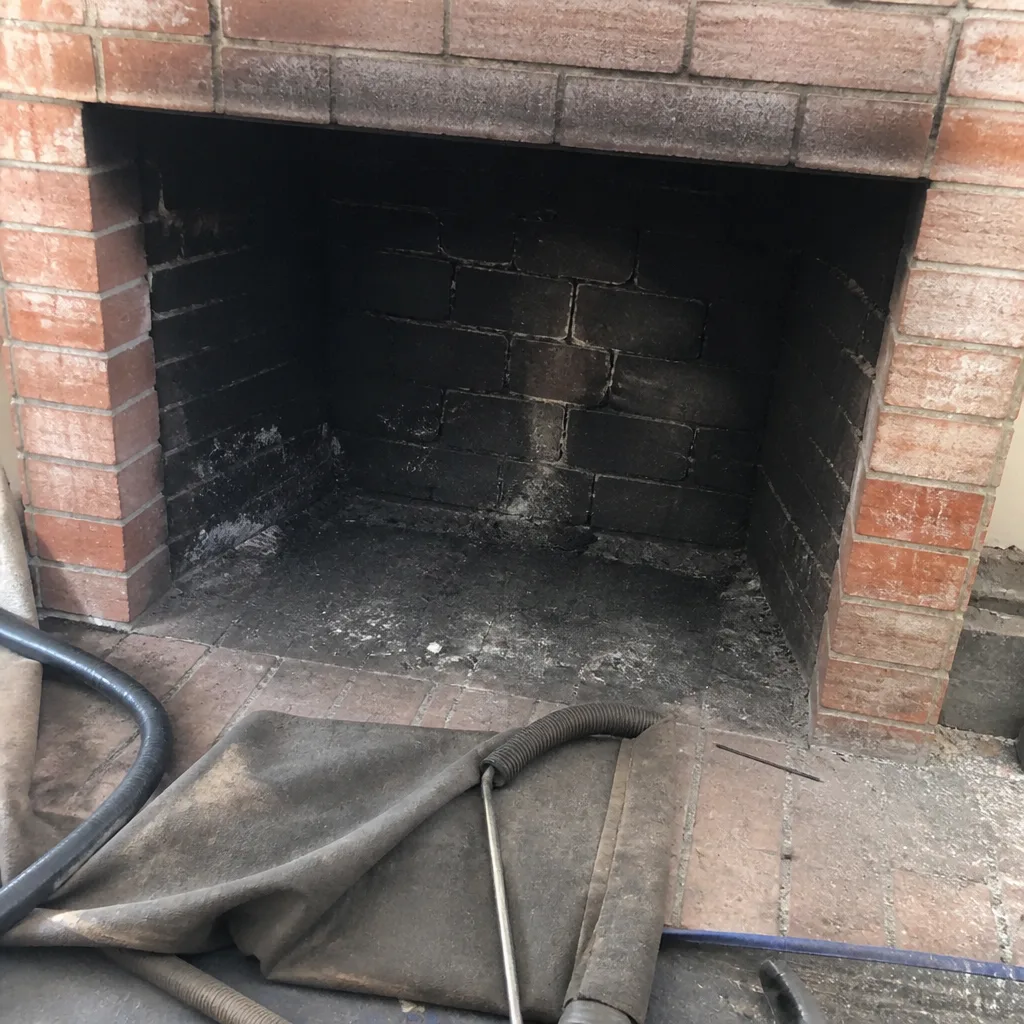
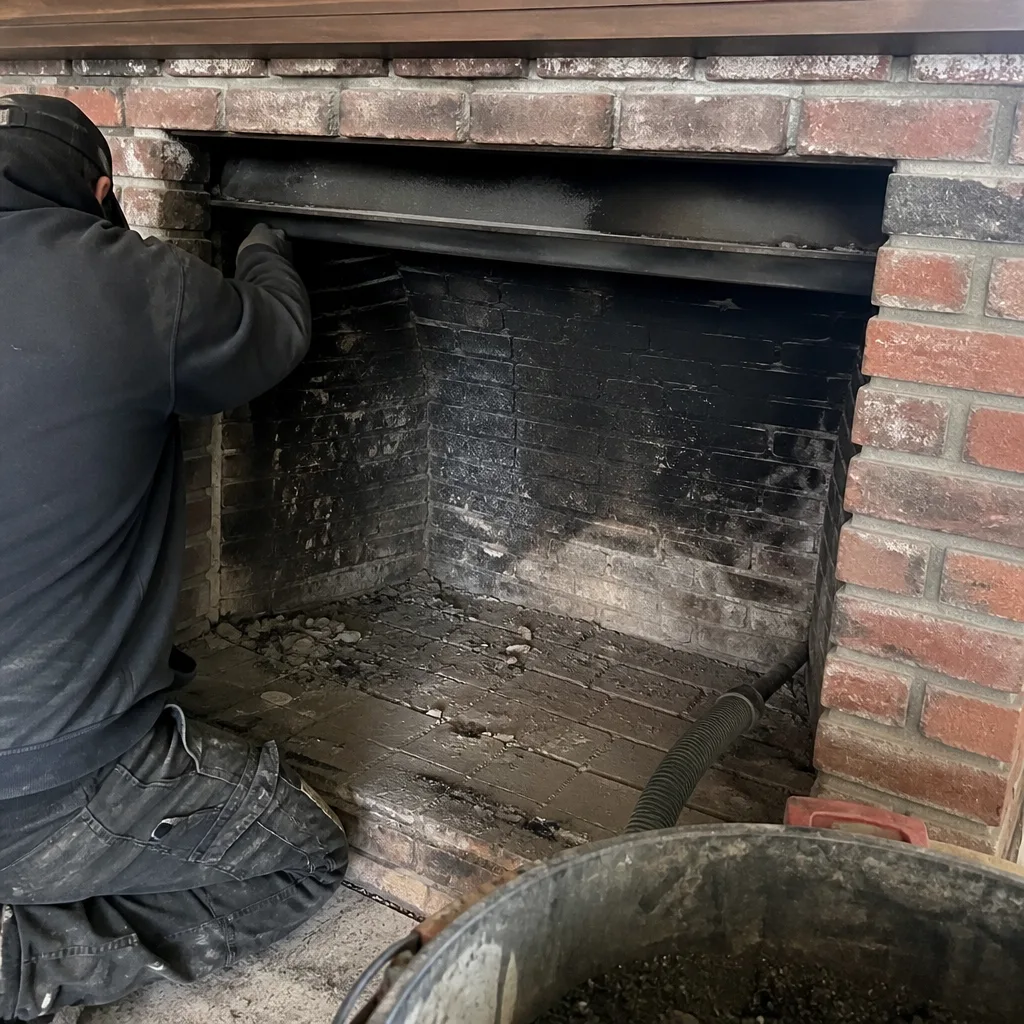 Before
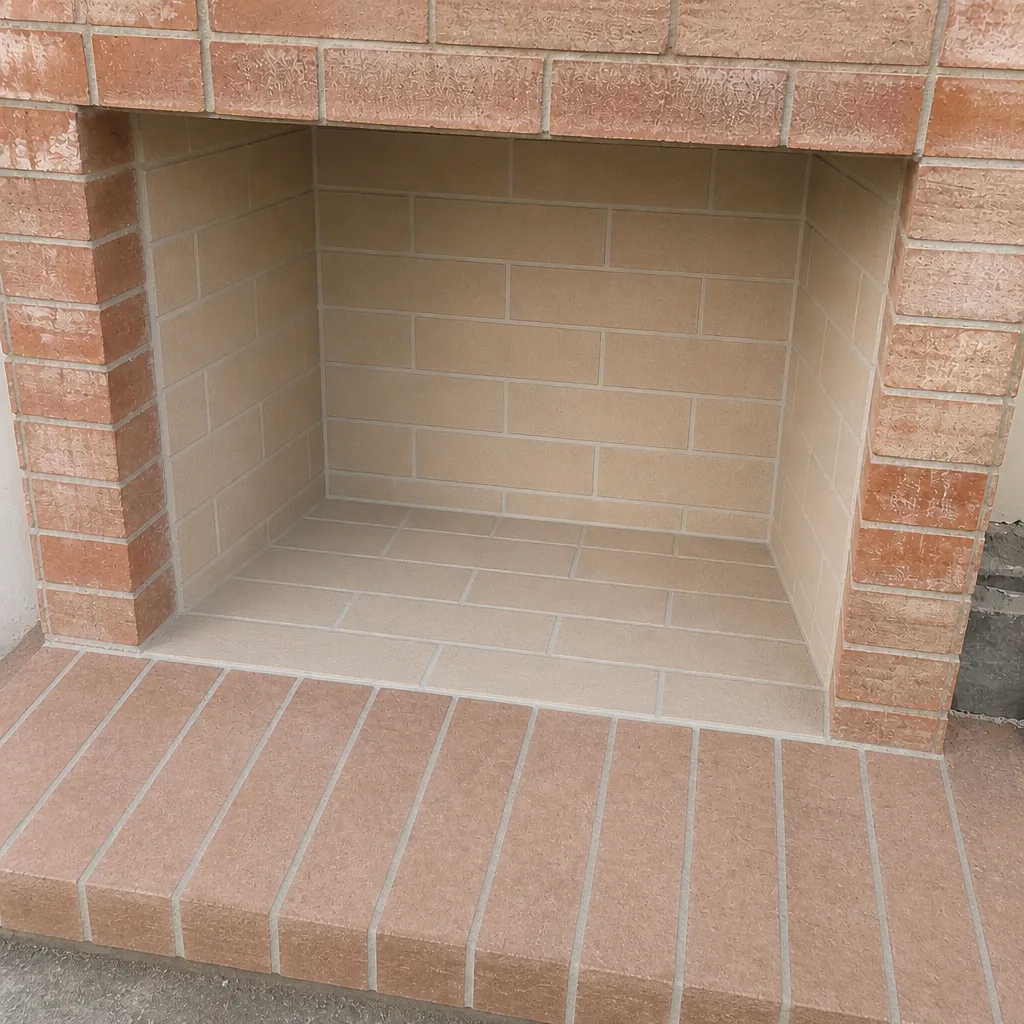
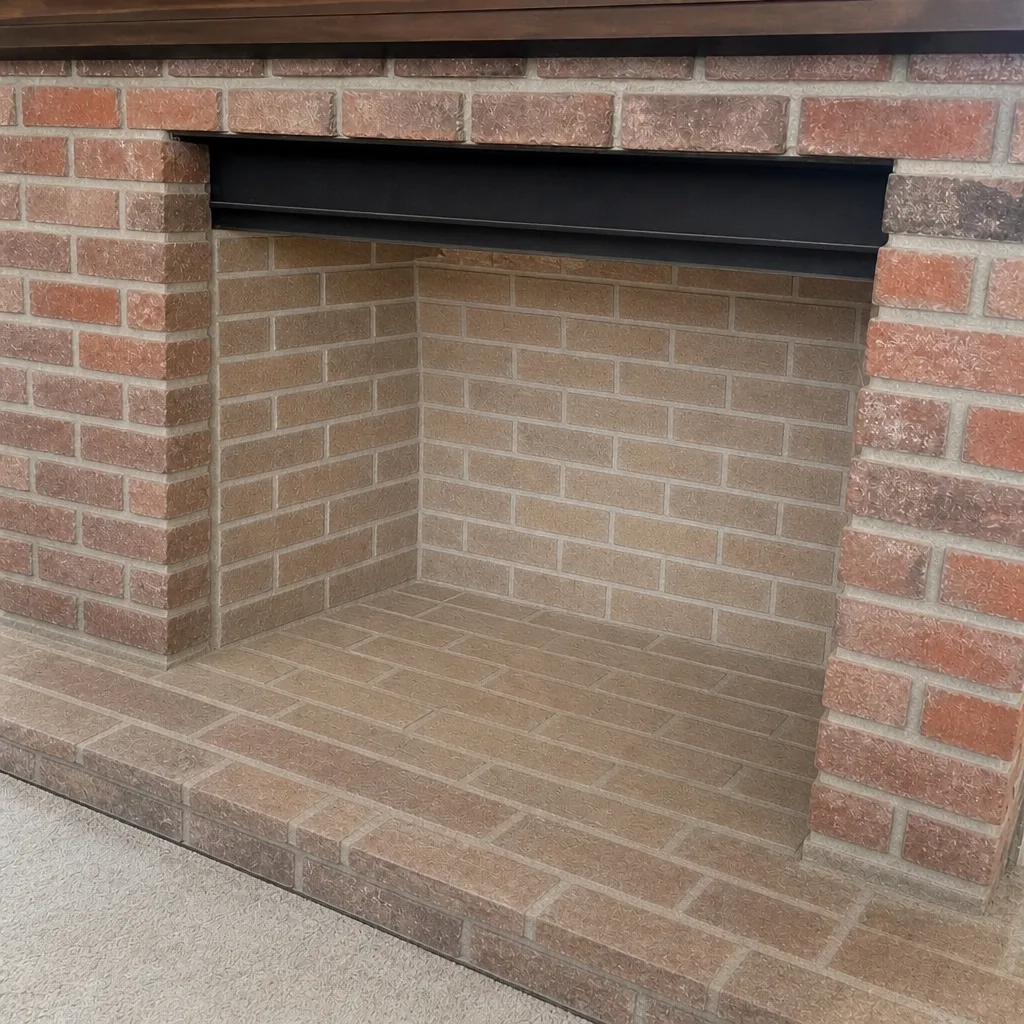 After
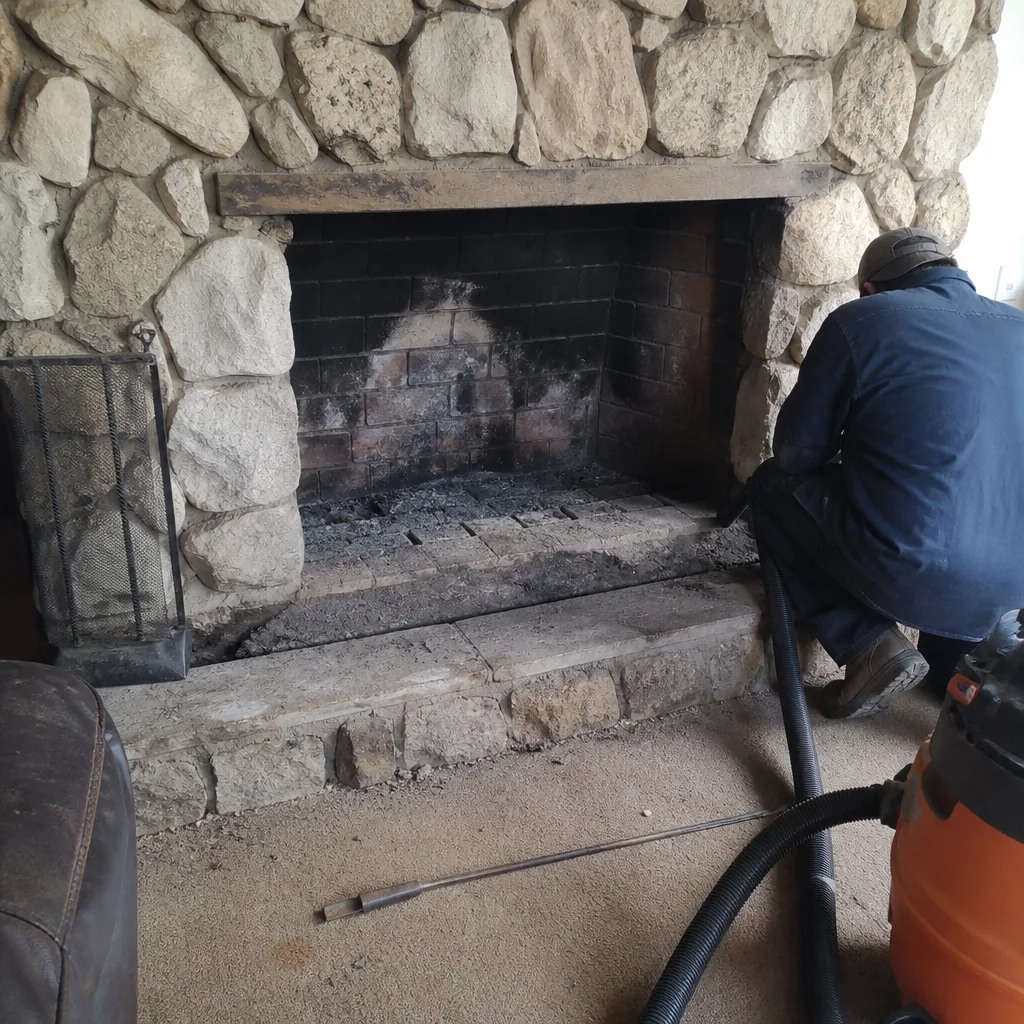 Before
 After
 Before
 After