
Last updated November 4, 2026
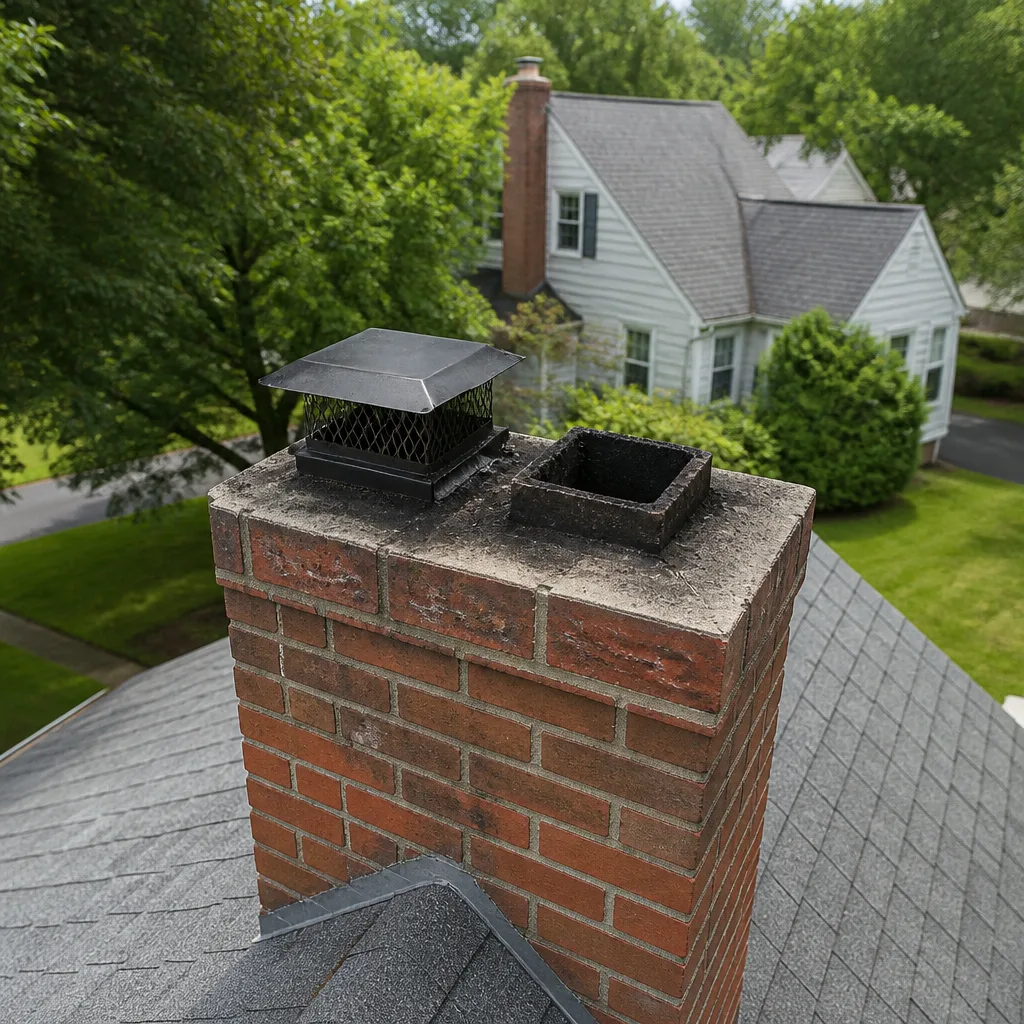 Sweep & inspection
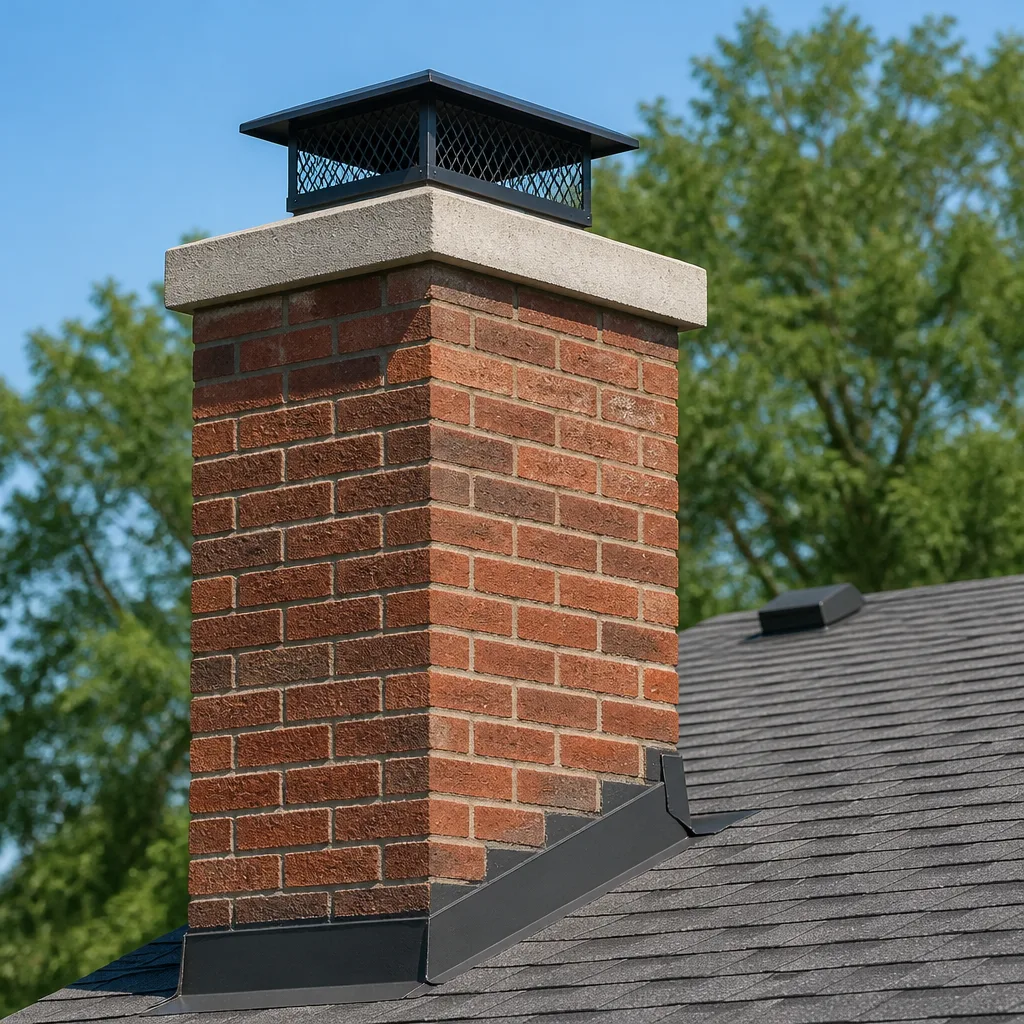 Caps & crowns
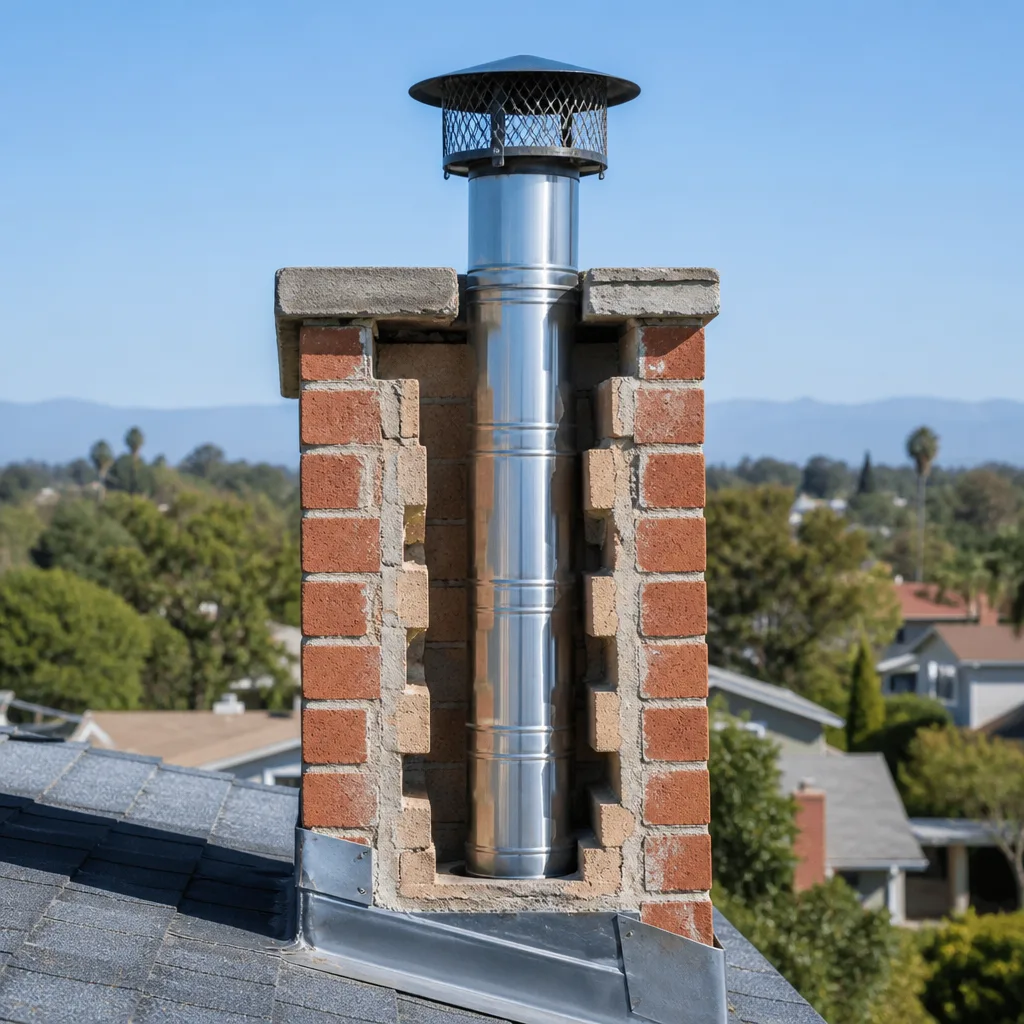 Flue relining
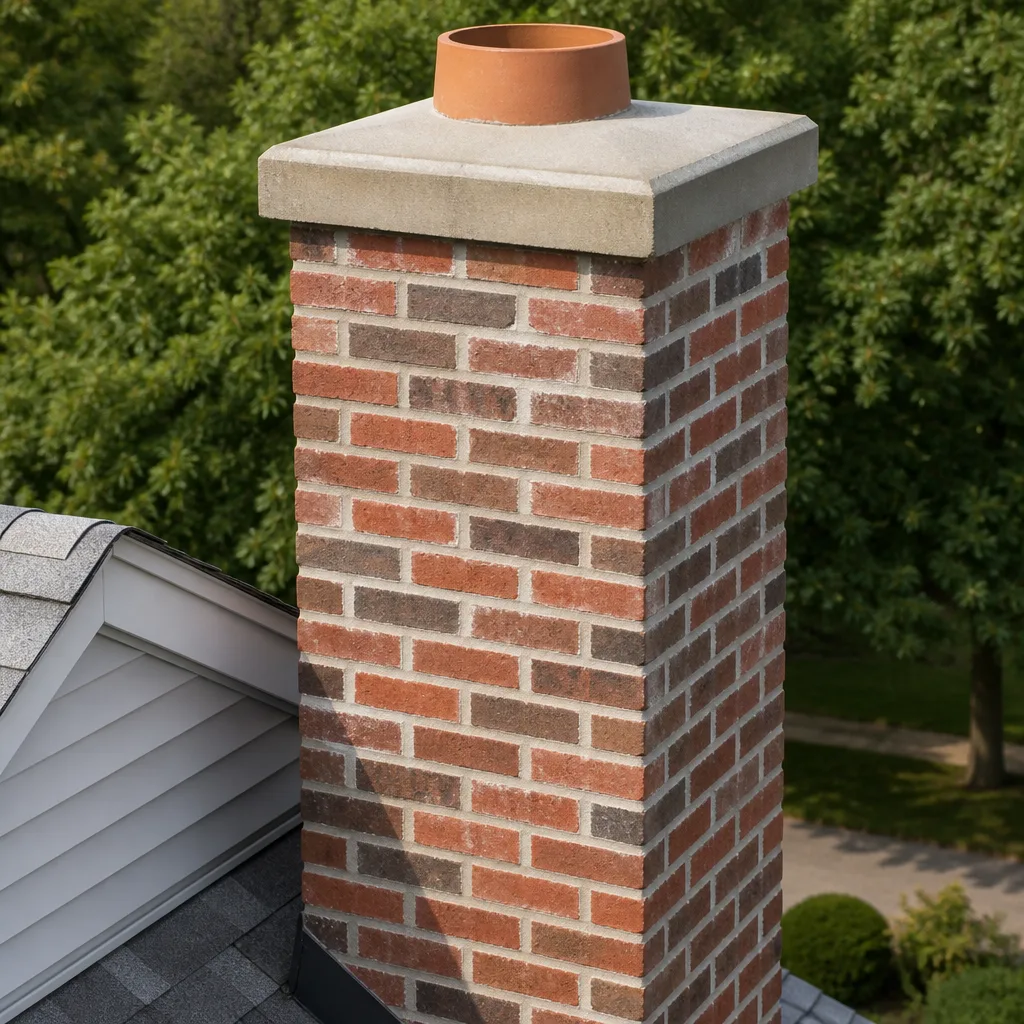 Masonry repair
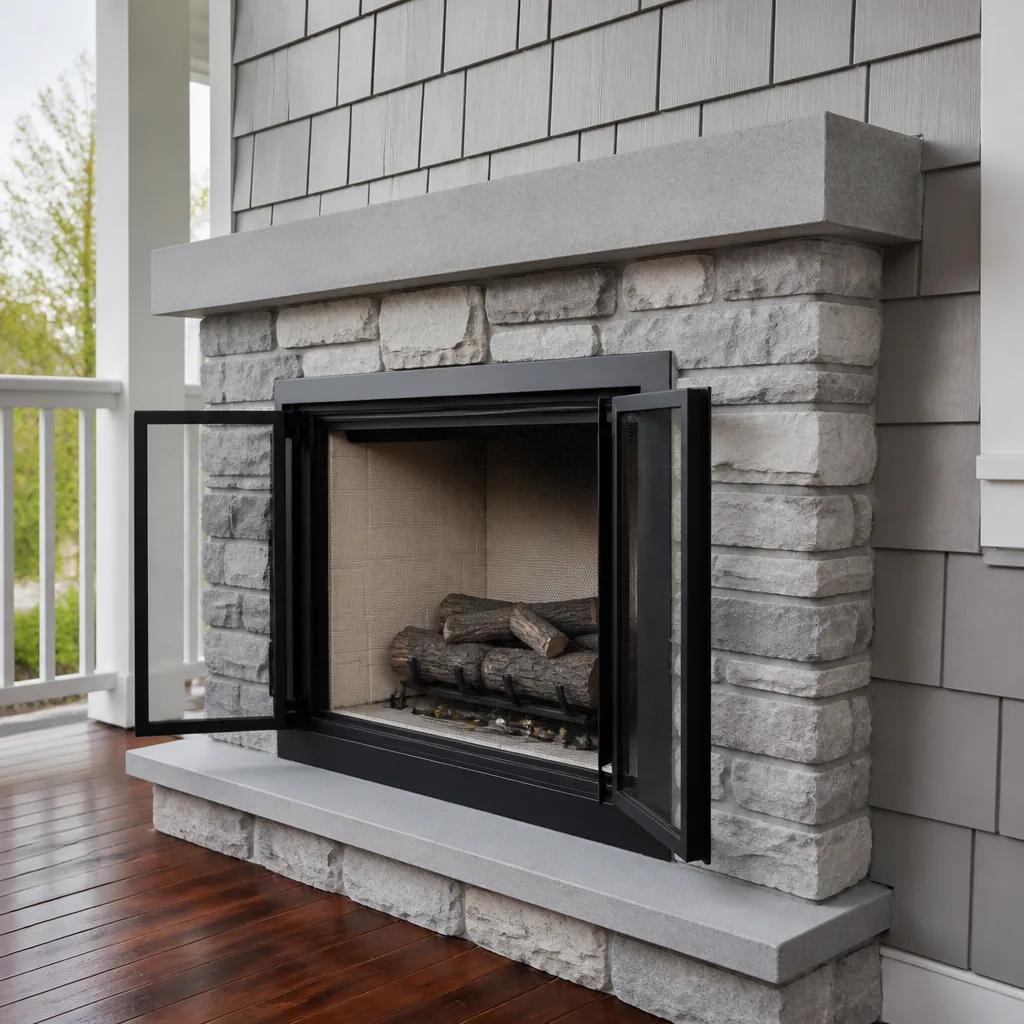 Gas fireplace service
Level 1 sweep and inspection to the NFPA 211 annual standard - flue, crown, cap, and flashing checked and photographed
Chimney sweep logs do not sweep chimneys. They loosen some creosote - which then falls where a brush and vacuum still have to collect it.
Chimney Sweep Troubleshooting in Camarillo: Common Problems and How to Fix Them
Most homeowners in Camarillo start troubleshooting a chimney problem backwards. They smell smoke, see staining, or notice a lazy fire and immediately assume the flue needs sweeping. Sometimes it does. But just as often the real cause is something else entirely: a negative-pressure house pulling air down the chimney, a rain cap clogged with coastal debris, or a cracked flue tile that no amount of brushing will fix. This guide maps what you’re seeing to what’s actually happening, so you stop paying for the wrong repair and start addressing the cause.
Quick Answer
Chimney problems in Camarillo fall into three categories: airflow issues (smoke rollback, slow starts, odor), moisture intrusion (staining, efflorescence, damp smells), and structural wear (cracked mortar, spalling brick, damaged liners). Most symptoms have a specific underlying cause you can identify with simple observation before calling anyone. A proper diagnosis saves you from paying for a sweep when you need a pressure fix, or a cap replacement when you need a liner repair.
Styles & brands we work with
- Sweep & inspection
- Caps & crowns
- Flue relining
- Masonry repair
- Gas fireplace service
Table of Contents
- Smoke Rollback and Draft Problems
- Odor Intrusion: Why Your Fireplace Smells When It’s Not in Use
- Water Staining and Moisture Damage: Cap, Crown, or Liner?
- Slow Fire Starts and Poor Combustion
- Creosote Buildup: What’s Normal and What’s Dangerous
- Cracked Mortar and Spalling Brick: When Cleaning Isn’t Enough
- The Dryer Vent Overlap: A Second Chimney You’re Ignoring
- Common Mistakes to Avoid
- When to Call a Professional
- Frequently Asked Questions
Smoke Rollback and Draft Problems
Smoke rollback happens when combustion gases enter the room instead of rising up the flue. In Camarillo, this is the most common complaint we hear from homeowners with wood-burning fireplaces. And here’s what surprises most people: a dirty chimney is only one of several possible causes, and sometimes not even the main one.
The marine layer changes air density in ways that affect chimney draft. When coastal air sits heavy over Camarillo, especially in the morning and evening, the pressure differential between inside and outside can shift. A house with tight windows and a running bathroom fan or range hood creates negative pressure. The chimney becomes the path of least resistance for makeup air. Result: smoke comes back into the room even though the flue is perfectly clean.
Before you schedule a chimney sweep, rule out pressure issues:
- Open a window near the fireplace before lighting. If smoke rollback stops, the problem is house pressure, not the flue.
- Turn off exhaust fans, clothes dryers, and the furnace while testing. Anything pulling air out of the house competes with the chimney.
- Check the damper. A partially closed or warped damper restricts flow enough to cause rollback even in a clean chimney.
- Look at the rain cap. In Camarillo’s dry, breezy conditions, caps collect leaves, bird nests, and fine debris that choke airflow.
If none of those resolve the issue, creosote staging is the next suspect. A flue can look open but be narrowed by glazed creosote to less than half its original diameter. That restricted passage can’t move enough air, and smoke backs up. This is a cleaning job, but not a DIY one. Glazed creosote requires professional tools and training to remove without damaging the liner.
We identify what’s wrong before we recommend what to fix. That means testing draft before assuming the flue needs sweeping. It saves you money and gets the fireplace working faster.
Odor Intrusion: Why Your Fireplace Smells When It’s Not in Use
A fireplace that smells like smoke or damp soot in the middle of summer is a common Camarillo complaint. The odor is real, and it’s coming from the chimney. But the fix depends on where the smell originates.
The most frequent cause is a missing or damaged chimney cap. Without a cap, wind flows across the flue opening and pushes air down into the house. That air carries the smell of creosote and soot from the flue walls. A Gelco chimney cap solves this by blocking downdrafts while keeping debris and animals out. It’s a simple fix with an immediate effect.
High humidity in the marine layer also plays a role. Creosote absorbs moisture from the air. When it gets damp, it releases odors more intensely. A chimney that smells fine in dry Santa Ana conditions can become noticeably odorous when the marine layer sits over Camarillo for several days. The solution is the same: remove the creosote and install or replace the cap.
Structural moisture produces a different smell: musty and earthy rather than smoky. That points to water getting through the crown or into the masonry. We’ll cover that below, but the key point is odor type matters. Smoky means airflow. Musty means water. Diagnosing correctly determines whether you need a cleaning or a repair.
One more thing to check: the ash dump door. If the ash dump is open or improperly sealed, air from the crawlspace or foundation can rise through the fireplace and carry musty smells into the room. It’s a small detail that gets overlooked often.
Water Staining and Moisture Damage: Cap, Crown, or Liner?
Water intrusion is the most expensive chimney problem to ignore because it compounds. A little staining becomes efflorescence, then spalling brick, then structural repair. The key is identifying the entry point early. In Camarillo, we don’t deal with freeze-thaw cycles the way colder climates do, but that doesn’t mean water is harmless. Rain, coastal moisture, and humidity still work on masonry over time.
Here’s how to tell where water is getting in:
- Staining on the ceiling near the chimney usually means the flashing has failed. This is a roof-to-chimney junction problem, not a flue problem.
- Efflorescence or white deposits on the brick face means water is moving through the masonry. The source is usually a cracked crown or missing cap.
- Damp smell inside the firebox after rain points to cracks in the flue liner or water pooling on the smoke shelf.
- Rust on the damper or firebox components indicates water is coming straight down the flue. A cap without a proper spark arrestor or with damaged mesh is often the culprit.
A cracked flue tile is the most serious diagnosis because it allows heat and gases to reach the surrounding structure. That’s not a cleaning issue. It’s a repair issue. In some cases, a HeatShield liner resurfacing can restore the flue without a full tear-out. In others, a DuraFlex flexible liner installation is the right call. The determination comes from a camera inspection, which shows exactly what’s happening inside the flue.
We show homeowners the video. Nothing is recommended without evidence you can see for yourself. That’s how a responsible chimney company works.
Slow Fire Starts and Poor Combustion
A fire that’s hard to light or burns weakly frustrates homeowners. You’re feeding it wood, opening the damper fully, and still the flames sit low. In Camarillo, where many homes have fireplaces used only occasionally, the issue is often simple: a cold flue and inadequate kindling. But sometimes it’s more.
Combustion needs three things: fuel, air, and heat. Most slow-start problems involve air. The chimney has to establish draft before the fire can grow. A cold flue has no draft. You need to warm the air column first. That’s why burning paper briefly before adding wood helps. It heats the flue and starts the upward airflow.
If the fire still struggles after priming the flue, consider these:
- Damper not fully open. A damper that doesn’t open completely starves the fire of oxygen.
- Flue narrowing from creosote. A steady diet of unseasoned wood creates thick, sticky creosote that reduces flue diameter. Less diameter means less draft.
- Stack height issues. A chimney that doesn’t extend far enough above the roofline can’t establish proper draft. This is a design problem, not a cleaning problem.
- Competing exhaust. As we covered earlier, a running dryer or exhaust fan pulls air away from the fireplace.
Wood quality matters more than most people realize. Green or unseasoned wood burns cool and produces excessive creosote. Seasoned hardwood, split and stacked dry, burns hot and clean. In Camarillo’s dry climate, wood seasons well if stored off the ground and covered on top. That’s a homeowner-level fix that prevents many chimney problems before they start.
Creosote Buildup: What’s Normal and What’s Dangerous
Every wood fire produces creosote. It’s a byproduct of incomplete combustion, and it deposits on flue walls as the smoke cools. The amount and type depend on how you burn. Understanding the three stages helps you know when to act.
- Stage 1: Soot and loose creosote. This is soft, flaky, and brushable. A routine chimney sweep removes it.
- Stage 2: Tar-like creosote. This is sticky and harder to remove. It forms when fires burn cooler or wood is slightly green. Rotary tools with special chains or whips are needed.
- Stage 3: Glazed creosote. This is hard, shiny, and highly flammable. It forms from hot fires over an existing creosote layer, or from consistently smoldering fires. Chemical treatments alone won’t remove it.
- Crumbling mortar between bricks near the crown or roofline suggests water has been working its way in.
- Pieces of brick or mortar in the firebox after a storm mean material is falling from higher in the chimney.
- Visible gaps in the flue liner from a camera inspection indicate the liner is compromised. This is not a cosmetic issue.
- Clothes take longer than one cycle to dry. Restricted airflow means slower drying.
- The dryer exterior gets hot to the touch. Heat should exhaust through the vent, not stay in the machine.
- Lint accumulates around the exterior vent opening. That’s visible blockage.
- You can’t remember the last time it was cleaned. If it’s been more than a year, it’s time.
- Burning unseasoned wood because it’s cheap. Green wood coats the flue with creosote faster than seasoned hardwood. The money saved on wood gets spent on more frequent sweeping.
- Ignoring a small smoke rollback problem. It usually gets worse and points to an airflow issue that will only become more expensive to fix.
- Sealing a damper shut to stop odors. That traps moisture and worsens the smell. Fix the cap or clean the creosote instead.
- Using chemical creosote removers as a substitute for sweeping. They soften creosote but don’t remove it. A physical cleaning is still required.
- Painting over water stains on the ceiling. If the flashing or crown is leaking, the stain will return. Fix the chimney before repainting.
- Running a fire with known mortar cracking. Heat accelerates structural damage. Stop using the fireplace until it’s inspected.
- Cleaning the dryer lint trap and thinking the vent is clear. The lint trap catches what the dryer screen doesn’t. The vent pipe still clogs over time.
Glazed creosote is the most dangerous because it ignites at high temperatures and burns like fuel inside your flue. A chimney fire fueled by glazed creosote can crack tiles, damage the liner, and spread to the house structure. If you hear a loud cracking or popping sound from the chimney during a fire, or see flames at the chimney top, that’s happening right now. Stop using the fireplace immediately and call a professional.
Prevention is straightforward: burn seasoned hardwood, avoid smoldering fires, build hot fires that burn completely, and have the flue swept when creosote reaches a certain thickness. The National Fire Protection Association standard remains the baseline, but in practice, some Camarillo homes need more frequent sweeping because of how often they use the fireplace and what they burn.
Cracked Mortar and Spalling Brick: When Cleaning Isn’t Enough
Mortar joints crack over time. That’s not alarming by itself. Camarillo’s climate is gentle compared to places with deep freezes, but age, settling, and moisture still take their toll. The question is when cracking is cosmetic and when it’s structural.
Hairline cracks in mortar joints are usually normal aging. They can be repointed during routine maintenance. But wider cracks, especially those that allow water penetration or run through the brick itself, need attention. Spalling is the bigger concern. That’s when brick faces flake or pop off, exposing the softer interior. Spalling means water has entered the masonry and expanded, pushing the face of the brick outward.
Here’s what to watch for:
A structural issue means running a fire could accelerate damage. Heat expands masonry. If the flue liner is cracked, heat reaches the surrounding chimney structure. Gases can escape into the house. That’s the point where you stop using the fireplace until repairs are complete.
Repair first. Replace only when necessary. In many cases, Chimney Sweep Camarillo restores the flue with HeatShield resurfacing or installs a DuraFlex liner. A full rebuild is the last resort, not the first recommendation.
The Dryer Vent Overlap: A Second Chimney You’re Ignoring
Most Camarillo homeowners think of a chimney as the thing over the fireplace. But your dryer vent is a chimney too. It exhausts hot, moist air and lint. And it clogs. When it clogs, the dryer runs hotter, takes longer, and creates a fire hazard.
The connection matters because the same principles apply: airflow, blockage, and maintenance. A dryer vent full of lint behaves like a chimney full of creosote. It restricts flow, builds heat, and becomes a fire risk. Lint is highly combustible. A clogged dryer vent is a leading cause of house fires involving dryers.
Signs your dryer vent needs cleaning:
Dryer vents and chimneys are both fire risks and both handled by the same specialized crew. Dryer vent cleaning is not an add-on. It’s a core service because it addresses a common, preventable hazard in homes throughout Camarillo.
Common Mistakes to Avoid
When to Call a Professional
Some chimney problems are observable and manageable by a homeowner. Opening a window to test for negative pressure is reasonable. Checking the damper is reasonable. But anything inside the flue, anything involving structural masonry, and anything involving glazed creosote needs a trained professional. High-tension components and flue liners are not DIY territory. A camera inspection shows what’s actually happening inside the flue. That evidence determines the fix. Chimney Sweep Camarillo offers free estimates in Camarillo. Call (833) 589-9263. We answer 24/7. Fast dispatch from 7am to 7pm, Sunday through Friday.
Frequently Asked Questions
Chimney sweep pricing in Camarillo depends on the flue condition, the level of creosote, and access. The written estimate sets the final price after an inspection. Estimates are free. Call (833) 589-9263 for an exact quote.
The National Fire Protection Association recommends sweeping when creosote reaches a certain thickness, not on a fixed schedule. A home with regular wood fires may need sweeping annually. One used occasionally may go longer. The best way to know is an inspection. If you use your fireplace often in Camarillo, an annual check keeps you ahead of creosote staging.
Not always. A camera inspection shows whether a cracked liner can be resurfaced with HeatShield or needs a DuraFlex replacement. Many liners that look bad on the surface are repairable. Repair first. Replace only when necessary. Get the video evidence before deciding.
Creosote accumulates, narrows the flue, and increases fire risk. A flue narrowed by glazed creosote can’t draft properly, so smoke rolls back into the room. In the worst case, creosote ignites and a chimney fire damages the liner and surrounding structure. The risk builds quietly. By the time you notice odor or rollback, the buildup is significant. Call (833) 589-9263 if it’s been more than a year since your last sweep.
You can inspect certain accessible parts, like the firebox and damper. But flue cleaning requires tools, experience, and a proper understanding of what you’re seeing. High-tension components and flue liners are not where you want to learn. A professional sweep removes creosote without damaging the liner and can identify problems you can’t see from the firebox.
Summer humidity, especially during Camarillo’s marine layer season, causes creosote to absorb moisture and release odors. A missing chimney cap makes it worse by allowing downdrafts to push that smell into the house. Installing a Gelco cap and sweeping the flue eliminates the odor at the source.
The Bottom Line
Chimney troubleshooting in Camarillo starts with correct diagnosis. Smoke rollback can be a pressure problem, a cap clog, or creosote staging. Odors point to airflow or moisture. Water staining means finding the entry point before repairing the damage. And everything from cracked mortar to a clogged dryer vent is easier and cheaper to fix when caught early. You don’t need to become a chimney expert. You need to know what you’re looking at and when to call someone who does. Professional-grade materials, not hardware-store parts, make the repair last. Stop chasing the wrong fix. Identify the cause first.
Written by the team at Chimney Sweep Camarillo, serving Camarillo since 2015.
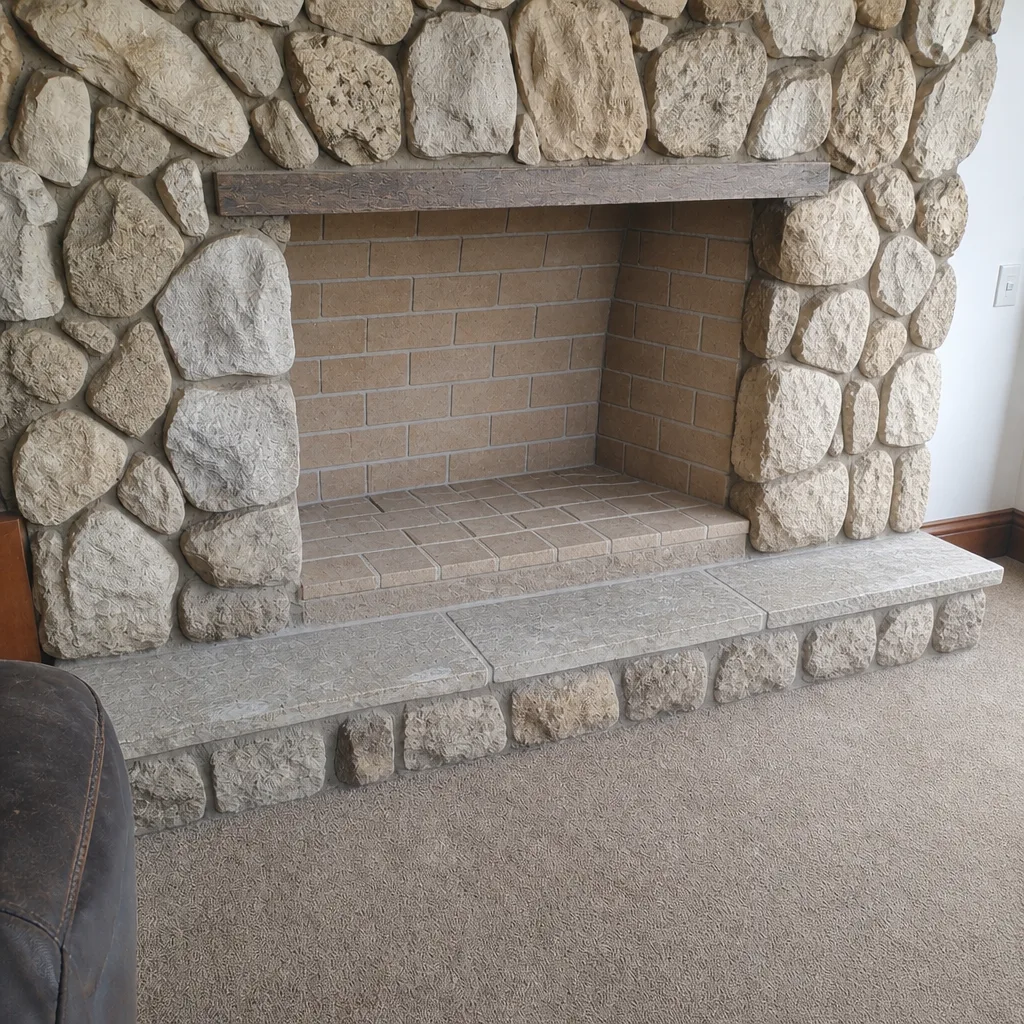
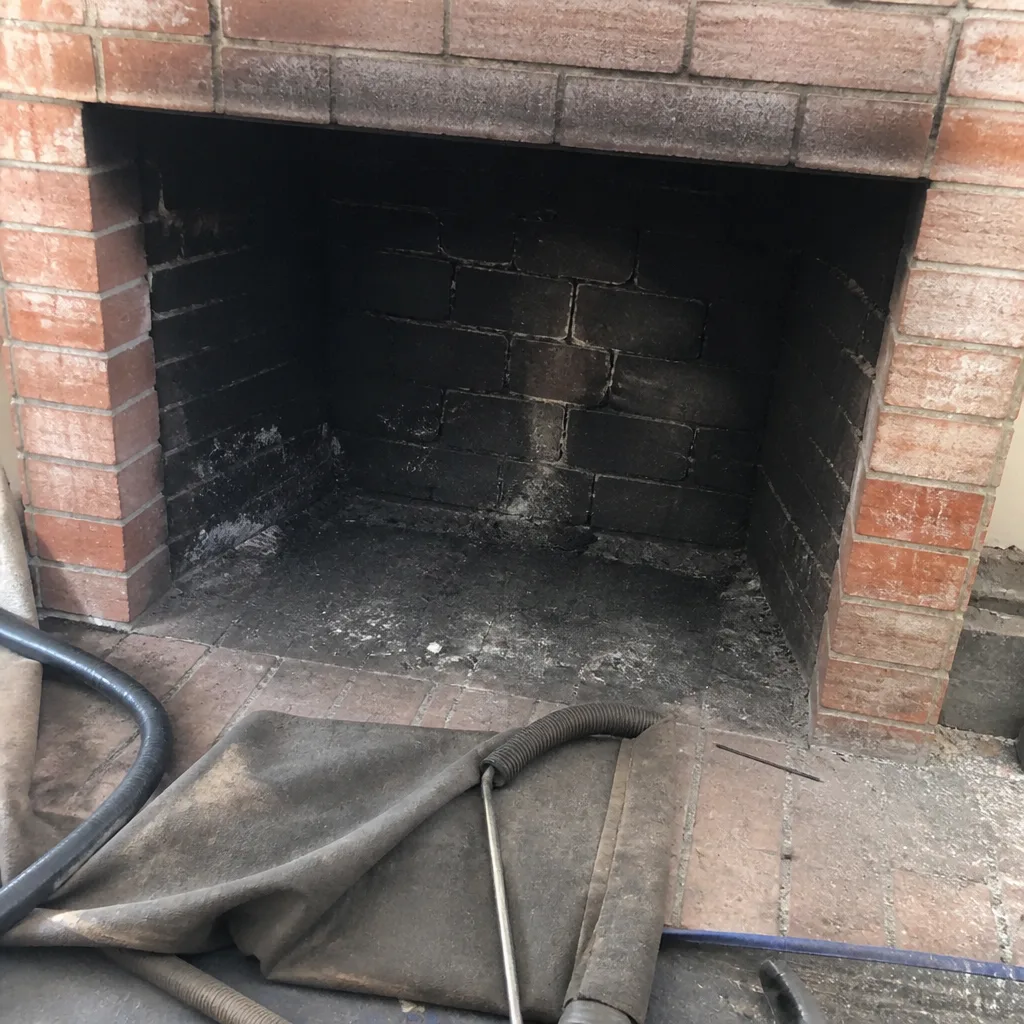
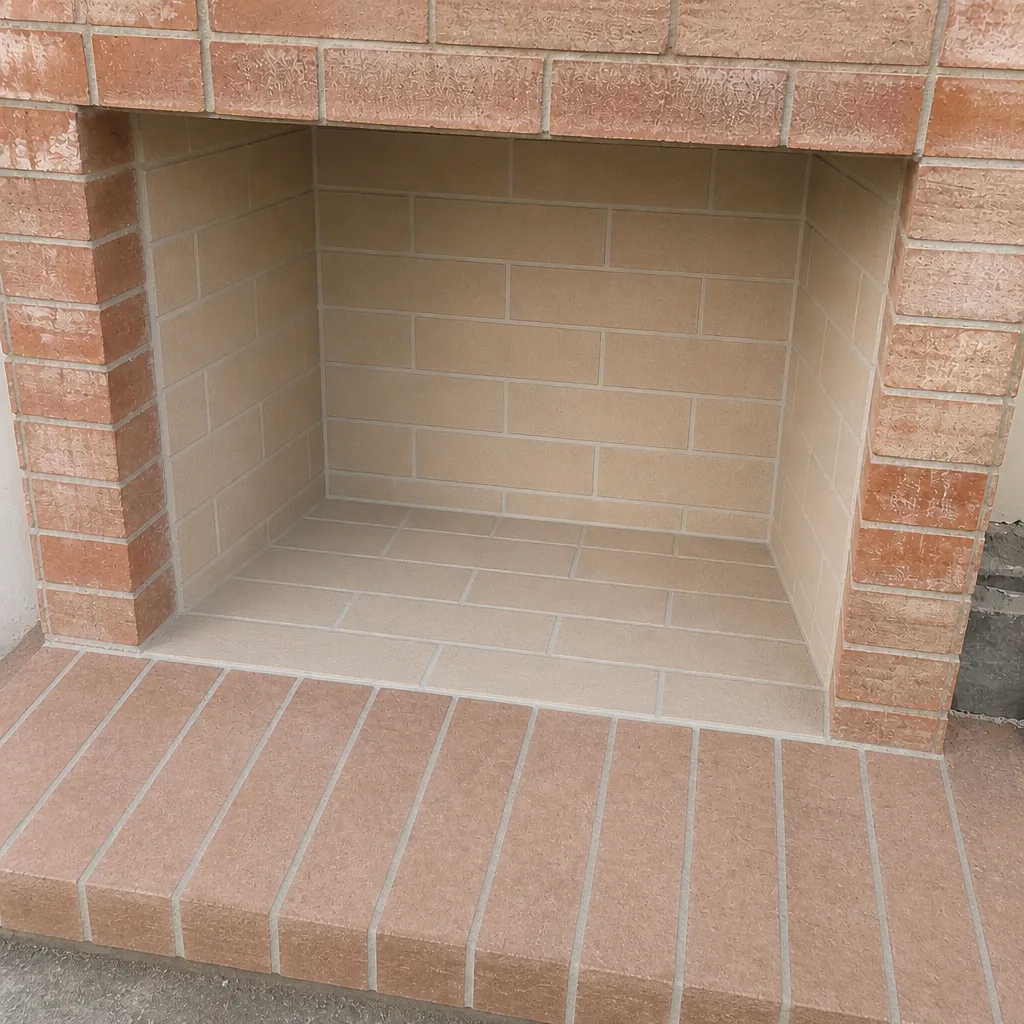
See the difference
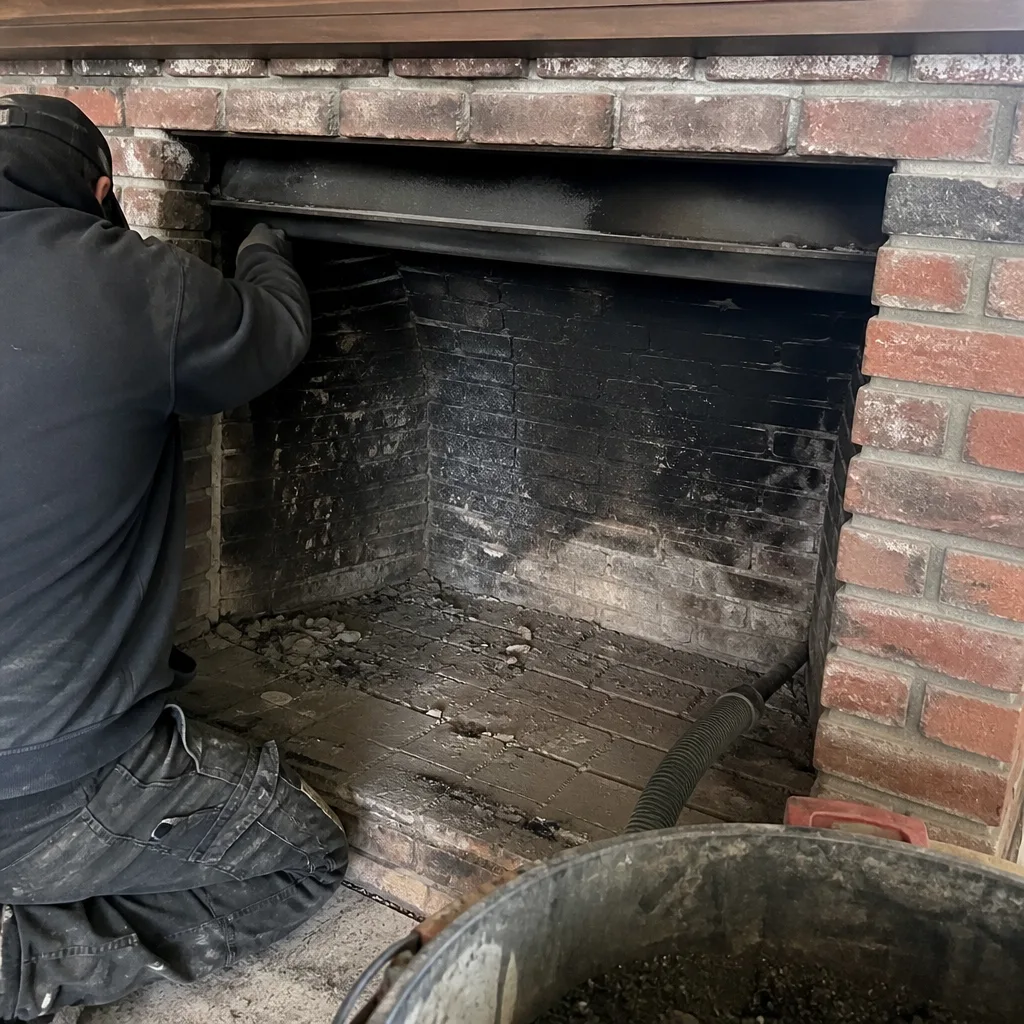 Before
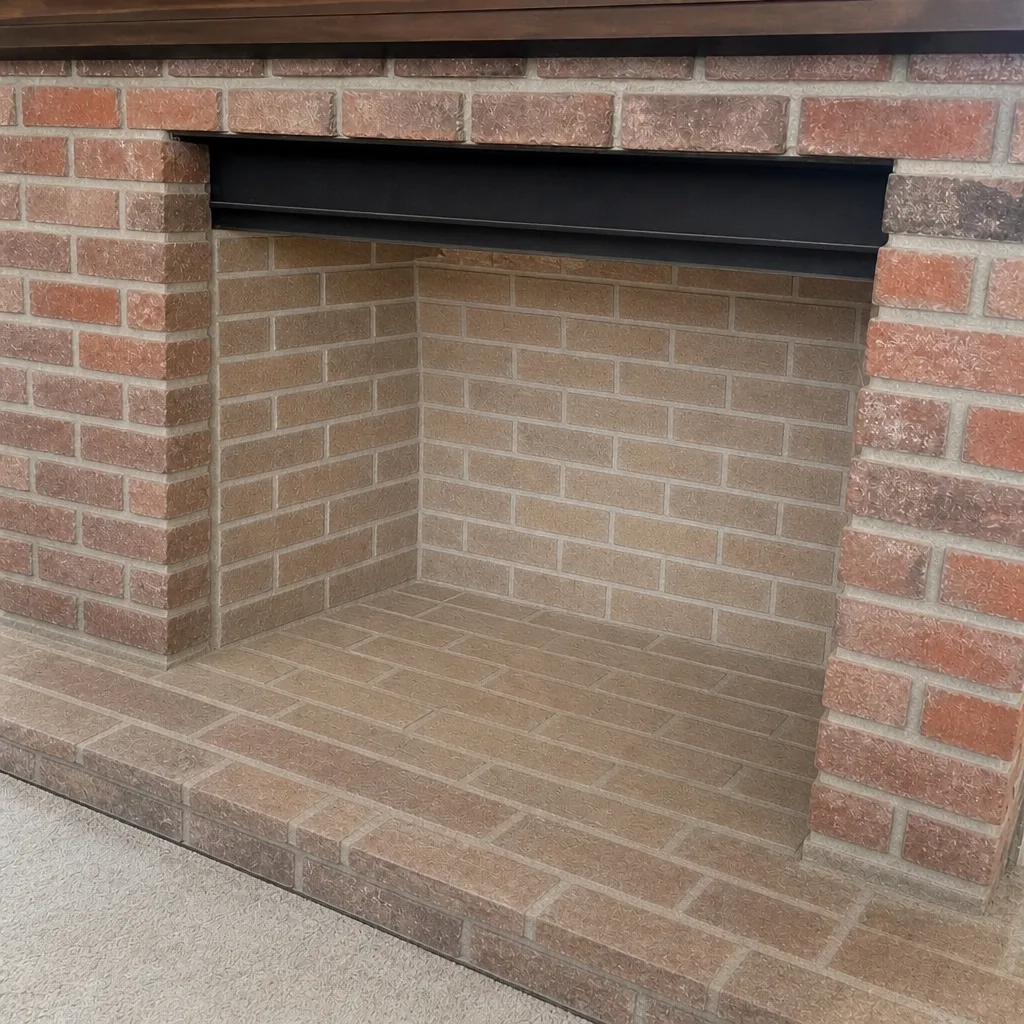 After
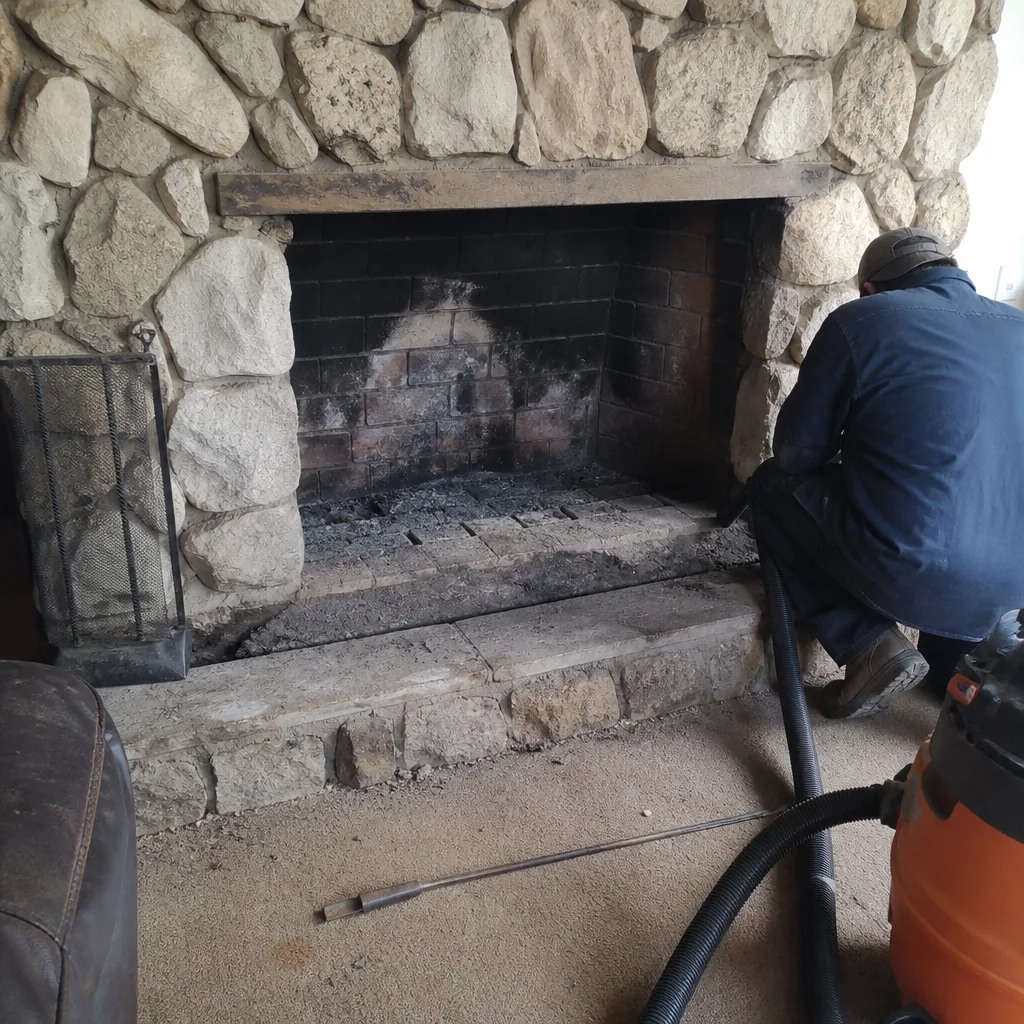 Before
 After
 Before
 After