
Last updated November 4, 2026
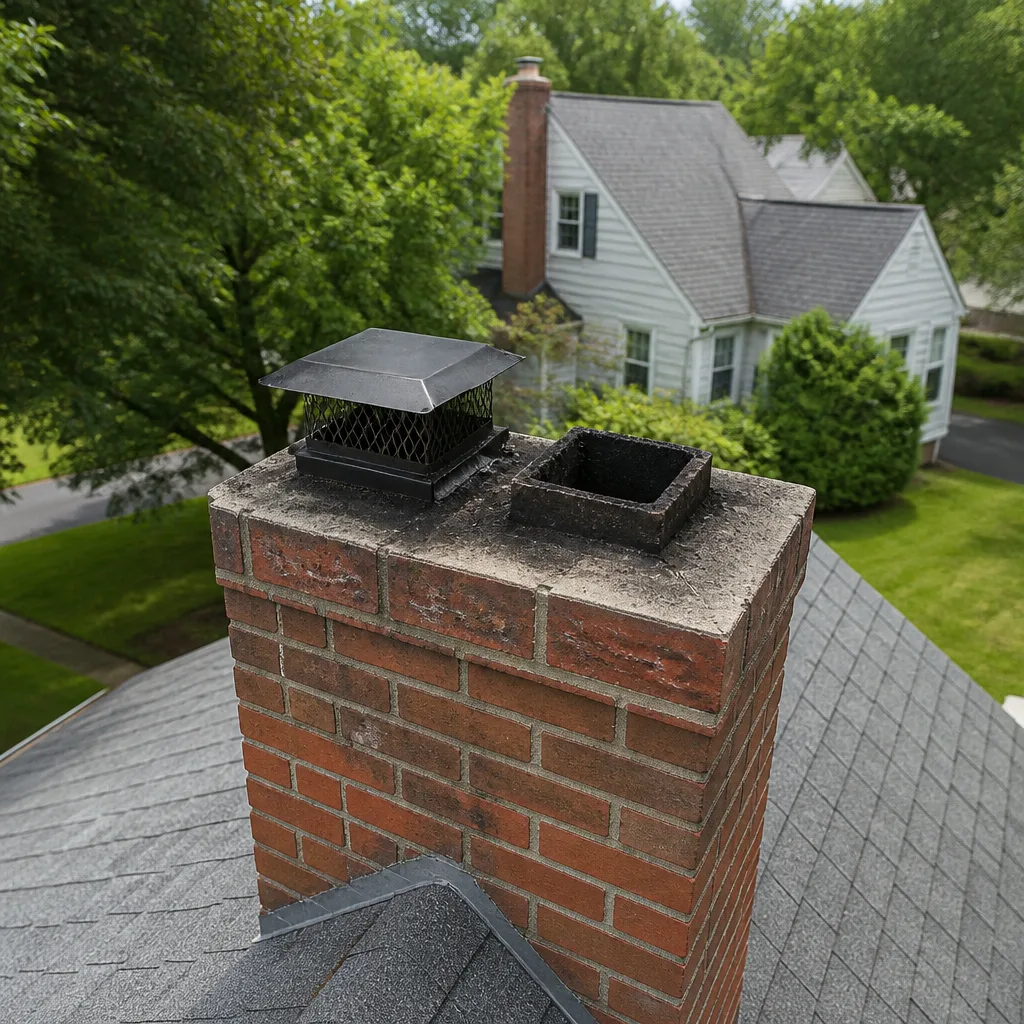 Sweep & inspection
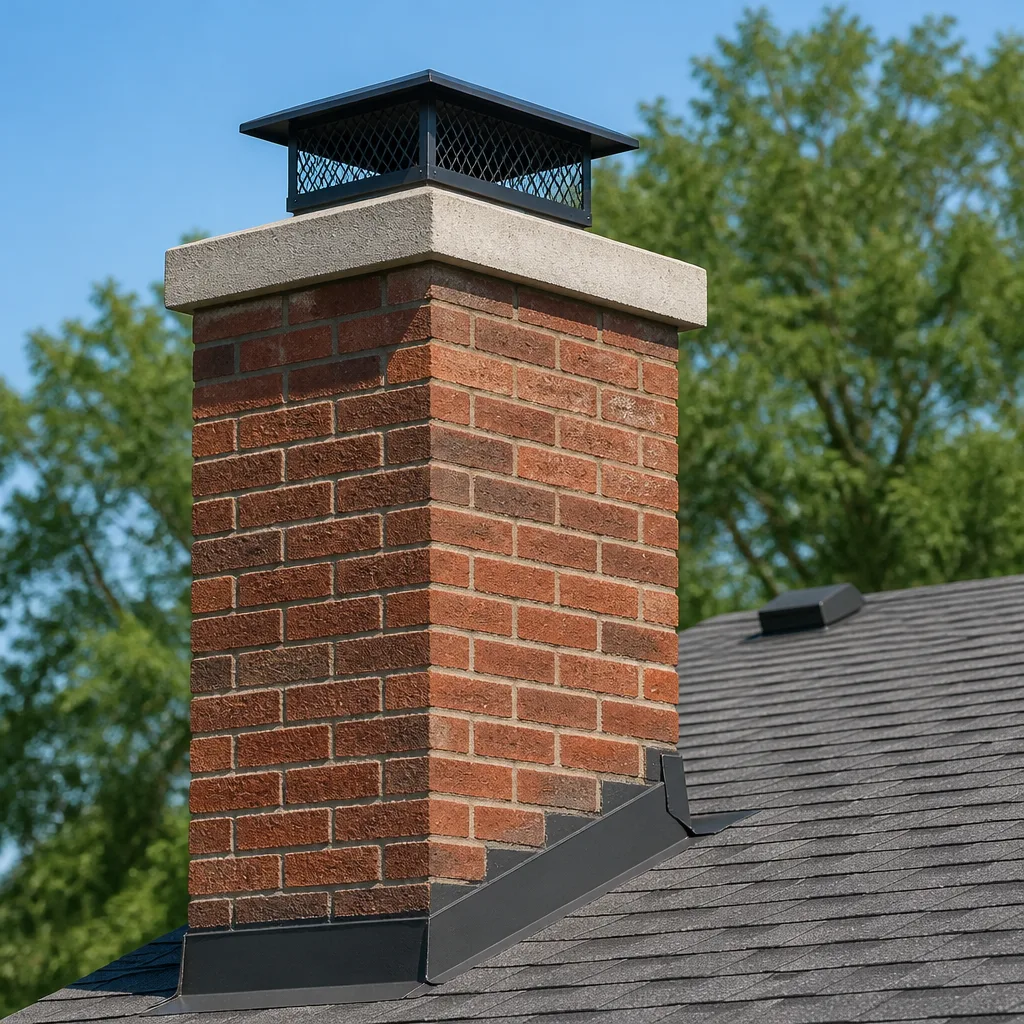 Caps & crowns
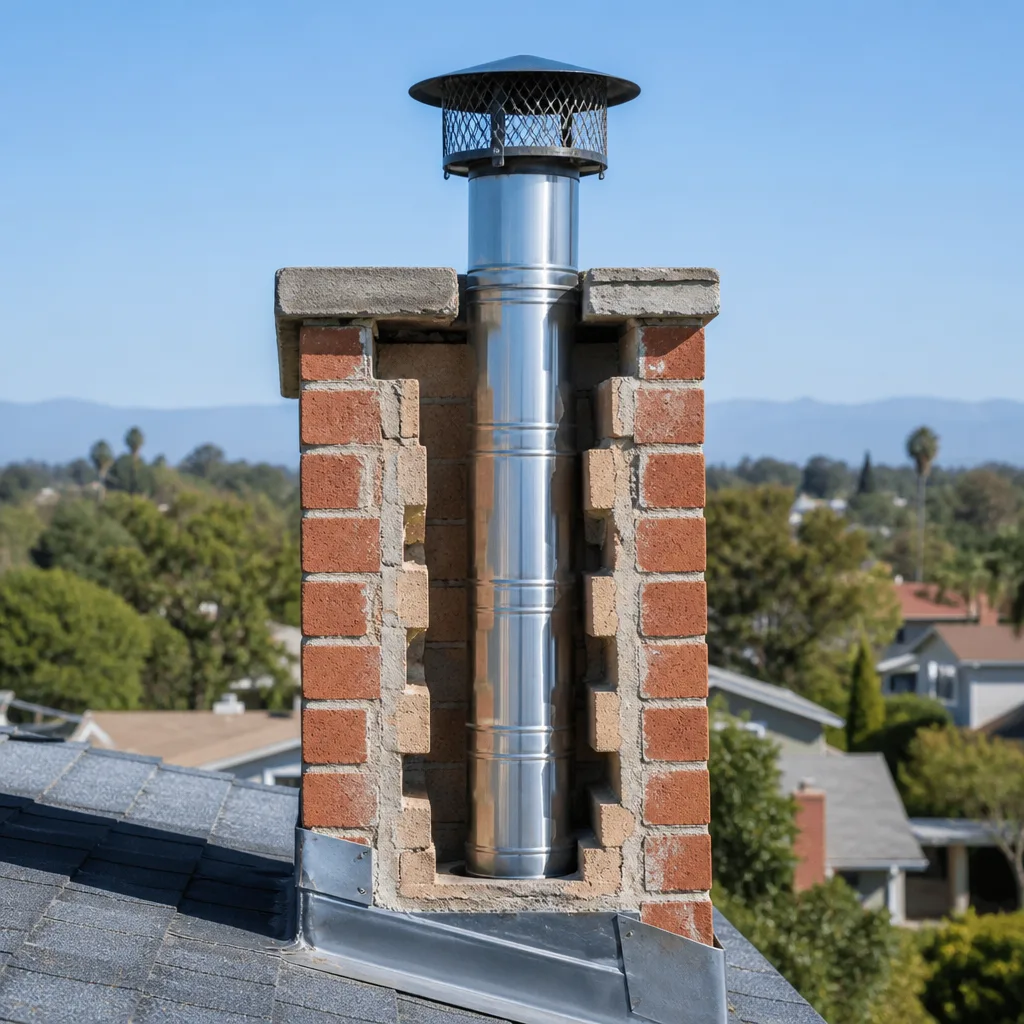 Flue relining
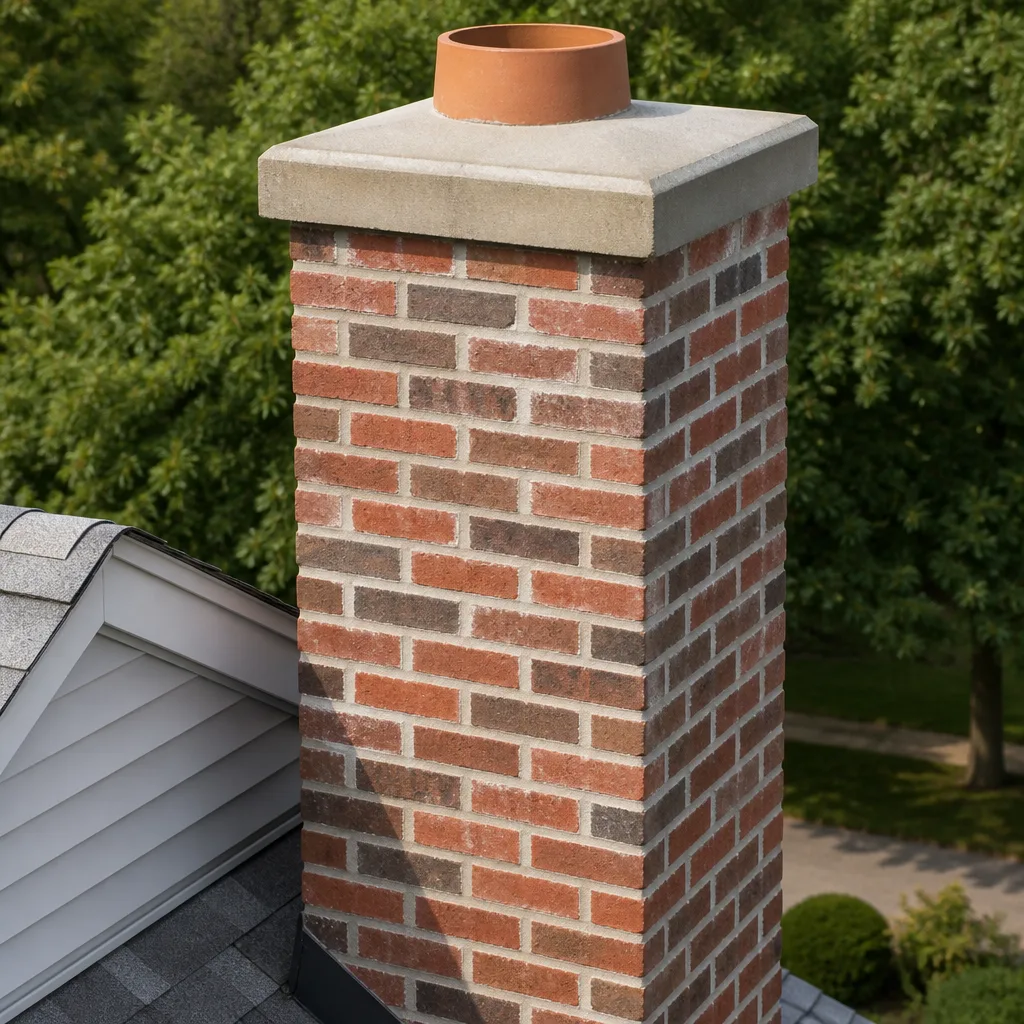 Masonry repair
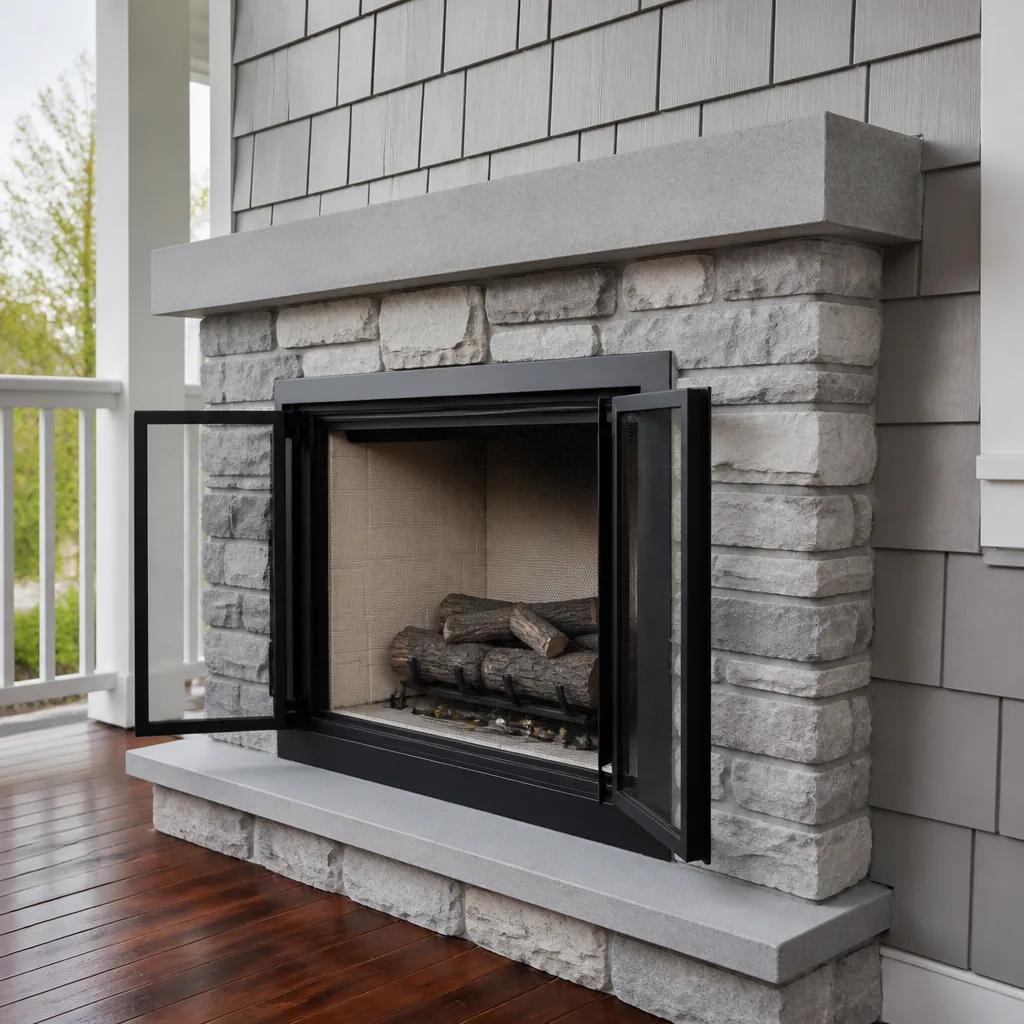 Gas fireplace service
Level 1 sweep and inspection to the NFPA 211 annual standard - flue, crown, cap, and flashing checked and photographed
Chimney sweep logs do not sweep chimneys. They loosen some creosote - which then falls where a brush and vacuum still have to collect it.
Chimney Cleaning Permits, Codes & Inspections in Camarillo, CA: What You Need to Know
Most homeowners in Camarillo assume chimney work is chimney work. Sweep it, patch it, done. That assumption holds true right up until the moment a repair crosses from maintenance into structural territory, and then California Building Code has something to say about it. A permit isn’t just paperwork. It’s the document that keeps your homeowner’s insurance enforceable if a fire ever starts in that system, and it’s the first thing a buyer’s inspector asks to see during a home sale. This guide explains exactly where the line sits in Camarillo, what Ventura County wants to see, and how to avoid the most expensive permitting mistakes homeowners make.
Styles & brands we work with
- Sweep & inspection
- Caps & crowns
- Flue relining
- Masonry repair
- Gas fireplace service
Quick Answer
Routine chimney sweeping and visual inspections in Camarillo do not require a permit. A permit is required when work involves structural changes such as relining a flue, rebuilding a firebox, altering a chimney crown, or changing how a gas appliance vents. The contractor who holds the appropriate California license typically pulls the permit, but the homeowner is ultimately responsible for confirming one exists.
Table of Contents
- Which Chimney Services Are Permit-Exempt in Camarillo
- Which Chimney Services Require a Permit
- Who Pulls the Permit: Homeowner vs. Contractor
- Ventura County Building Division and Camarillo Requirements
- How California Title 24 and NFPA 211 Work Together
- Unpermitted Chimney Work During a Home Sale
- NFPA 211 Inspection Levels Explained
- Common Mistakes to Avoid
- When to Call a Professional
- Frequently Asked Questions
- The Bottom Line
Which Chimney Services Are Permit-Exempt in Camarillo
Cleaning and inspection are maintenance activities, not construction. A standard chimney sweep removes creosote, soot, and debris from the flue interior. No structure is altered. No component is replaced. Nothing about the system’s function changes. For that reason, the City of Camarillo and Ventura County treat it the same way as cleaning gutters or servicing a water heater: no permit, no plan review, no inspection required.
The same applies to visual inspections. A Level 1 inspection, the kind performed during a routine sweep, involves looking at the readily accessible portions of the chimney, the firebox, the damper, and the exterior. A Level 2 inspection, which adds video scanning and checks of the attic, crawlspace, and other accessible areas, is also permit-exempt. These are diagnostic activities. They identify problems. They don’t create or alter anything.
Minor component replacement can also fall outside permit requirements in many cases. Replacing a damper plate, swapping out a chimney cap, or installing a new spark arrestor are generally considered maintenance when the underlying structure remains untouched. That said, Camarillo homeowners should always confirm with the Building Division before assuming. A quick call costs nothing and takes five minutes. The assumption is usually correct, but the confirmation protects you.
Which Chimney Services Require a Permit
The trigger for a permit is structural alteration. When we talk about structural work, we mean changes to the chimney’s load-bearing components, its fire resistance, or its venting function. Here are the specific services that cross that line in Camarillo:
- Flue relining. Installing a new liner, whether rigid stainless, flexible DuraFlex, or a poured-in-place system, changes the flue’s dimensions and thermal characteristics. This requires a permit.
- Chimney rebuild or partial rebuild. Rebuilding a firebox, reconstructing a damaged crown, or repointing extensive masonry all require a permit because they affect structural integrity.
- Chimney removal or height change. Taking down a chimney or altering its height changes the structure’s profile and load path. Permit required.
- Gas appliance venting changes. Converting a wood-burning fireplace to gas, adding a gas insert, or rerouting a vent connection triggers a permit because it involves fuel type and combustion air changes.
- Fireplace installation. Adding a new fireplace where one didn’t exist, whether masonry or factory-built, is a full construction project with its own permit.
One service that surprises Camarillo homeowners is HeatShield resurfacing. The HeatShield system is a ceramic coating applied to the interior of a damaged flue as an alternative to full liner replacement. Because it restores the flue’s structural function and fire resistance, not just cleanliness, it falls into the permit-required category in most California jurisdictions. If you’re considering HeatShield in Camarillo, plan for a permit. It protects the investment and keeps the work insurable.
Who Pulls the Permit: Homeowner vs. Contractor
California law is specific here. A contractor performing work that requires a permit must hold the appropriate license classification and must pull the permit for work within that license’s scope. For chimney structural work, that typically means a Class B General Building Contractor or, for masonry-specific work, a C-29 Masonry Contractor. The contractor’s license number appears on the permit application, and the contractor is the party of record with the Building Division.
The homeowner, however, remains the responsible party in the eyes of the law. You own the property. You own the liability if unpermitted work is discovered. You’re the one who answers questions from a buyer’s inspector or an insurance adjuster. If a contractor tells you a permit isn’t necessary for work that clearly requires one, that’s a red flag. Either the contractor doesn’t understand the code, or the contractor doesn’t want the inspection. Neither is good.
Some Camarillo homeowners pull an owner-builder permit, which allows you to act as your own general contractor on your own home. This is legal. It also means you take on the liability, the scheduling, and the responsibility for ensuring the work meets code. For chimney structural work, an owner-builder permit is rarely the right move. The technical nuances of fire clearance, flue sizing, and combustion air are exactly where a trained professional earns their keep.
Ventura County Building Division and Camarillo Requirements
Camarillo issues building permits through the Ventura County Building Division, which handles plan review, permit issuance, and inspection for residential projects in the city. The process for chimney work typically follows this sequence:
- Determine scope. The contractor identifies what work is needed and whether it crosses from maintenance into construction.
- Submit application. The contractor files a permit application with the Building Division, including a description of the work and, for larger projects, plans or specifications.
- Pay fees. Permit fees are based on the project’s valuation. Small relining jobs carry lower fees; full rebuilds cost more.
- Schedule inspection. Once the work is complete or at specific stages (such as before a liner is concealed), the Building Division sends an inspector to verify code compliance.
- Receive approval. The inspector signs off, and the permit is closed. Keep this documentation. You’ll want it if you ever sell the house.
The inspector is checking for specific things: proper flue sizing for the appliance it serves, correct clearances from combustible materials, adequate combustion air supply, and proper termination height above the roof. These aren’t optional design suggestions. They’re code requirements designed to prevent chimney fires and carbon monoxide poisoning. A permit inspection is a second set of eyes on safety-critical work, and that has real value.
What the inspector won’t check is whether the work was done by someone competent. A permit confirms code compliance at the time of inspection. It doesn’t confirm workmanship quality over the long term. That’s why the contractor you choose matters as much as the permit itself. In Camarillo, the homes range from 1970s tract construction in Mission Oaks to older and newer custom builds across the city, and chimney conditions vary accordingly.
How California Title 24 and NFPA 211 Work Together
Title 24 is the California Code of Regulations for building standards. It incorporates and, in some places, amends the national model codes. For chimneys and venting, Title 24 references NFPA 211, the Standard for Chimneys, Fireplaces, Vents, and Solid Fuel-Burning Appliances, which is the technical backbone for how chimneys must be constructed, maintained, and inspected.
The relationship works like this: NFPA 211 defines what a safe chimney looks like and how it should perform. Title 24 makes those requirements legally enforceable in California. When a Camarillo building inspector checks a chimney, they’re applying California’s adopted version of NFPA 211, plus any state-specific amendments. For homeowners, the practical takeaway is that the chimney meets a national safety standard, not just a local preference.
NFPA 211 also drives the inspection levels that have become industry standard. A Level 1 inspection is appropriate for annual maintenance when the system hasn’t changed. A Level 2 inspection is required when the property is sold, when the system is changed, or after an event such as a chimney fire or earthquake. A Level 3 inspection involves removing portions of the structure and is reserved for cases where a Level 2 finds something that requires a closer look. In Camarillo, a home sale almost always triggers a Level 2 inspection, which means the flue gets video-scanned and the accessible areas get checked.
One detail homeowners often miss: California has stricter emissions and combustion air requirements than many other states. A chimney that functioned fine for decades may not pass a modern inspection if the firebox clearances, hearth extension, or combustion air supply fall short of current standards. The chimney isn’t dangerous; it’s simply no longer compliant. Understanding that distinction changes how you approach repair versus replacement.
Unpermitted Chimney Work During a Home Sale
This is where the abstract becomes concrete. When you sell a home in Camarillo, the buyer’s inspector will look at the chimney. If that inspector sees signs of recent work (a new crown, a new liner, a rebuilt firebox), the natural follow-up question is: where’s the permit?
If the permit doesn’t exist, several things happen. The buyer may ask for the work to be re-inspected at your expense, which can mean opening up walls or exposing concealed portions of the chimney. The buyer may demand a credit for the estimated cost of bringing the work into compliance. Or, in a competitive market, the buyer may simply walk. Any of those outcomes costs more than the permit would have cost in the first place.
The insurance angle is equally serious. Homeowner’s insurance policies require that work on the home be performed lawfully. If a chimney fire occurs and the insurer discovers that the flue was recently relined without a permit, the insurer can cite material misrepresentation. That’s the opening paragraph of the claim denial, and courts have upheld such denials. The permit isn’t bureaucracy. It’s the proof that your house was maintained to code, and that proof is what your insurer relies on when you file a claim.
The good news is that retroactive permitting is possible in most cases. Ventura County can inspect work that was completed without a permit, provided the work is exposed or otherwise verifiable. The process involves opening up areas that would normally be inspected during construction, paying the original permit fee plus a penalty, and correcting any deficiencies the inspector finds. It’s more expensive than pulling the permit upfront, but it resolves the issue. A Camarillo homeowner who discovers unpermitted chimney work before listing the house has time to fix it properly.
NFPA 211 Inspection Levels Explained
Understanding the three inspection levels helps you know what to ask for and what you’re paying for. Here’s what each level involves:
- Level 1. This is the standard annual inspection. The technician examines the readily accessible portions of the chimney, the firebox, the damper, and the exterior. If you use your fireplace the same way you always have and haven’t experienced a chimney fire or seismic event, Level 1 is appropriate. It’s typically performed alongside a routine chimney sweep.
- Level 2. This adds video scanning of the flue interior and inspection of accessible attics, crawlspaces, and basements. A Level 2 inspection is required when the home is being sold, when the chimney’s function changes (such as adding a gas insert), or after a chimney fire, earthquake, or severe weather event. In Camarillo, where earthquake preparedness matters, a Level 2 after any significant seismic activity is prudent.
- Level 3. This involves removing portions of the chimney or surrounding structure to access concealed areas. A Level 3 is only performed when a Level 2 inspection suggests a hazard that cannot be evaluated without destructive access. It’s the least common level and the most invasive.
After any structural work, a Level 2 inspection is the standard. The Building Division’s inspection verifies code compliance for the specific work performed. A Level 2 inspection verifies the system works correctly as a whole. We recommend both. The permit inspection confirms the work was done right. The Level 2 confirms the entire system functions safely together.
For dryer vent cleaning, the inspection framework is lighter, but the principle holds. A dryer vent isn’t a chimney, and NFPA 211 doesn’t govern it. But the same logic applies: verify the vent is clear, properly terminated, and connected before assuming it’s safe.
Common Mistakes to Avoid
- Assuming all chimney work is permit-exempt. Cleaning and inspection are exempt. Relining, rebuilds, and venting changes are not. The line is structural, and it’s specific. If you’re unsure, call the Building Division or ask your contractor to explain in writing why a permit isn’t required.
- Letting the contractor decide without documentation. A verbal assurance that no permit is needed doesn’t protect you. If the work later turns out to require one, the contractor isn’t the one facing a denied insurance claim. Get the permit determination in writing, or pull the permit yourself.
- Confusing a chimney sweep with a structural inspection. A sweep cleans. It may include a Level 1 look. It does not substitute for a Level 2 inspection when one is required, such as during a home sale or after a chimney fire. Know which service you’re actually getting.
- Delaying a permit after unpermitted work is discovered. The cost of retroactive permitting only grows. Penalties, re-inspection fees, and corrective work add up. Address it as soon as you become aware of it.
- Ignoring gas venting changes. Converting a wood fireplace to gas or adding a gas insert changes combustion air requirements, vent sizing, and clearance needs. Many Camarillo homeowners assume the existing chimney will work. Often it needs modification, and that modification needs a permit.
- Skipping the Level 2 inspection after a chimney fire. Even a small chimney fire can damage the flue liner in ways that aren’t visible from the firebox. A Level 1 inspection won’t catch it. A Level 2 will. The incremental cost is modest compared to the cost of a second, catastrophic fire.
- Choosing a contractor based on price alone. A contractor who quotes structural work without mentioning permits is either unaware of the requirement or avoiding it. Neither is someone you want working on a fire-safety system. Ask whether the price includes permit fees and inspections.
When to Call a Professional
Chimney cleaning and inspection are straightforward when nothing has changed. The moment something changes, the stakes rise. Relining a flue, rebuilding a firebox, repairing a crown, or converting to gas all involve fire resistance, structural stability, and code compliance. These aren’t areas where a well-meaning homeowner should guess. The code exists because chimney failures kill people. The permit process exists because inspections catch failures before they become fires.
If you’re in Camarillo and unsure whether your chimney needs a permit, a professional can tell you before work begins. We can also perform the Level 2 inspection that a home sale or chimney fire requires. Chimney Sweep Camarillo offers free estimates in Camarillo. Call (833) 589-9263 and we’ll walk you through what your specific situation requires. We answer 24/7. Fast dispatch from 7am to 7pm, Sunday through Friday.
Frequently Asked Questions
No. Routine chimney sweeping and visual inspection are classified as maintenance, not construction. No structural component is altered, so no permit is required from the City of Camarillo or Ventura County.
Yes. Installing a new liner, whether flexible stainless steel such as DuraFlex or a poured-in-place system, changes the flue’s structure and function. A permit is required, and the work must be inspected for code compliance.
The buyer’s inspector will likely note the work and ask for the permit. Without one, you may face a re-inspection at your expense, a credit demand from the buyer, or a lost sale. Retroactive permitting is possible but costs more than pulling the permit upfront.
A Level 1 inspection checks readily accessible portions and is appropriate for annual maintenance. A Level 2 inspection adds video scanning of the flue and checks of attics, crawlspaces, and other accessible areas. It’s required for home sales, system changes, and after events such as chimney fires or earthquakes.
Yes. Changing the fuel type alters combustion air requirements, vent sizing, and clearance needs. The conversion requires a permit and an inspection to confirm the system meets current California Building Code and NFPA 211 standards.
Yes. A licensed contractor typically pulls the permit for work within the scope of their license. The homeowner remains ultimately responsible, so confirm the permit exists and keep the final inspection documentation for your records.
Permit fees vary based on the project’s valuation and the specific work being performed. Small relining jobs cost less than full rebuilds. Call the Ventura County Building Division for a current fee schedule, or ask your contractor to include the permit fee in the written estimate.
The Bottom Line
Chimney cleaning in Camarillo doesn’t need a permit, and that’s the easy part to remember. The harder part is recognizing when work crosses from maintenance into construction. Relining, rebuilding, and venting changes all require permits, all require inspections, and all have consequences if done without them. The permit is what keeps your insurance enforceable and your home sale clean. It’s the documentation that proves your chimney was maintained to code. If you’re unsure where your project falls, ask before the work begins. A five-minute conversation with the Building Division or a qualified contractor beats a five-thousand-dollar surprise at closing.
Written by the team at Chimney Sweep Camarillo, serving Camarillo since 2015.
See the difference
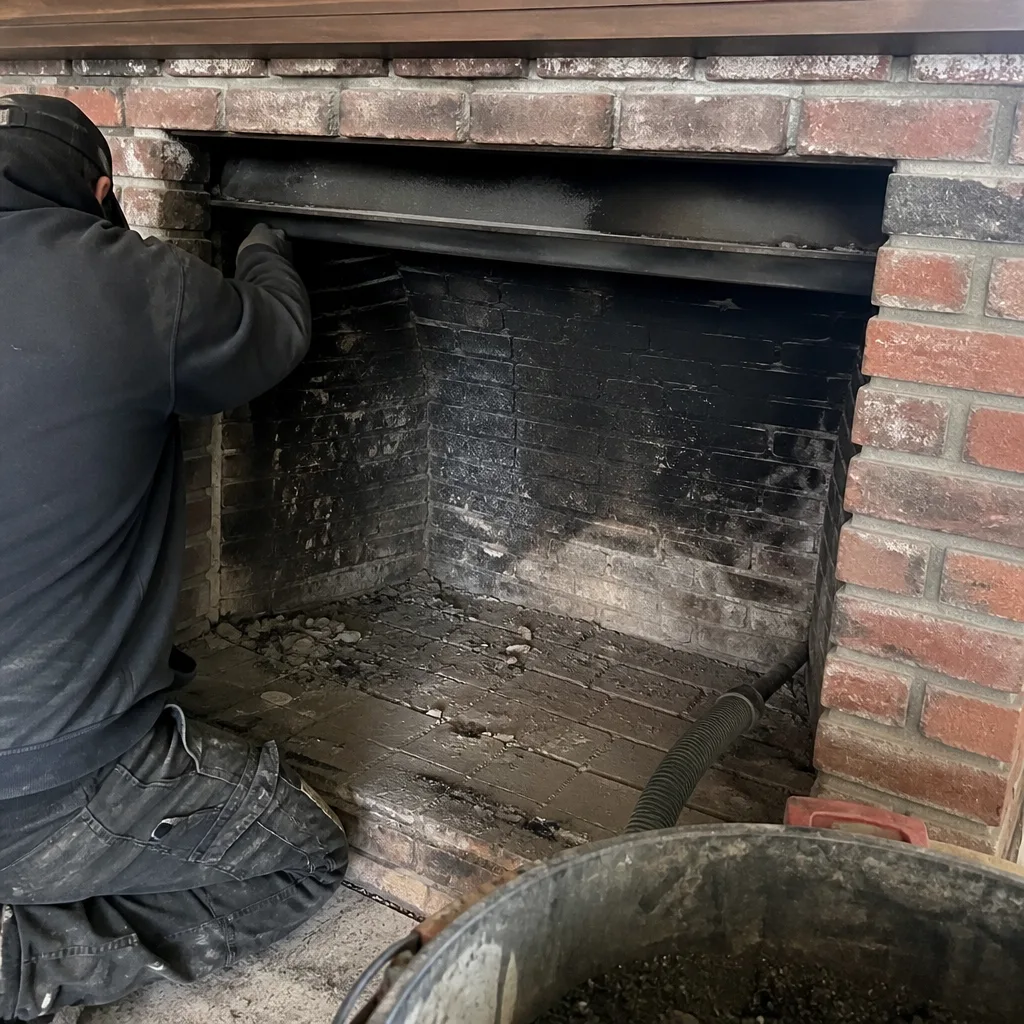 Before
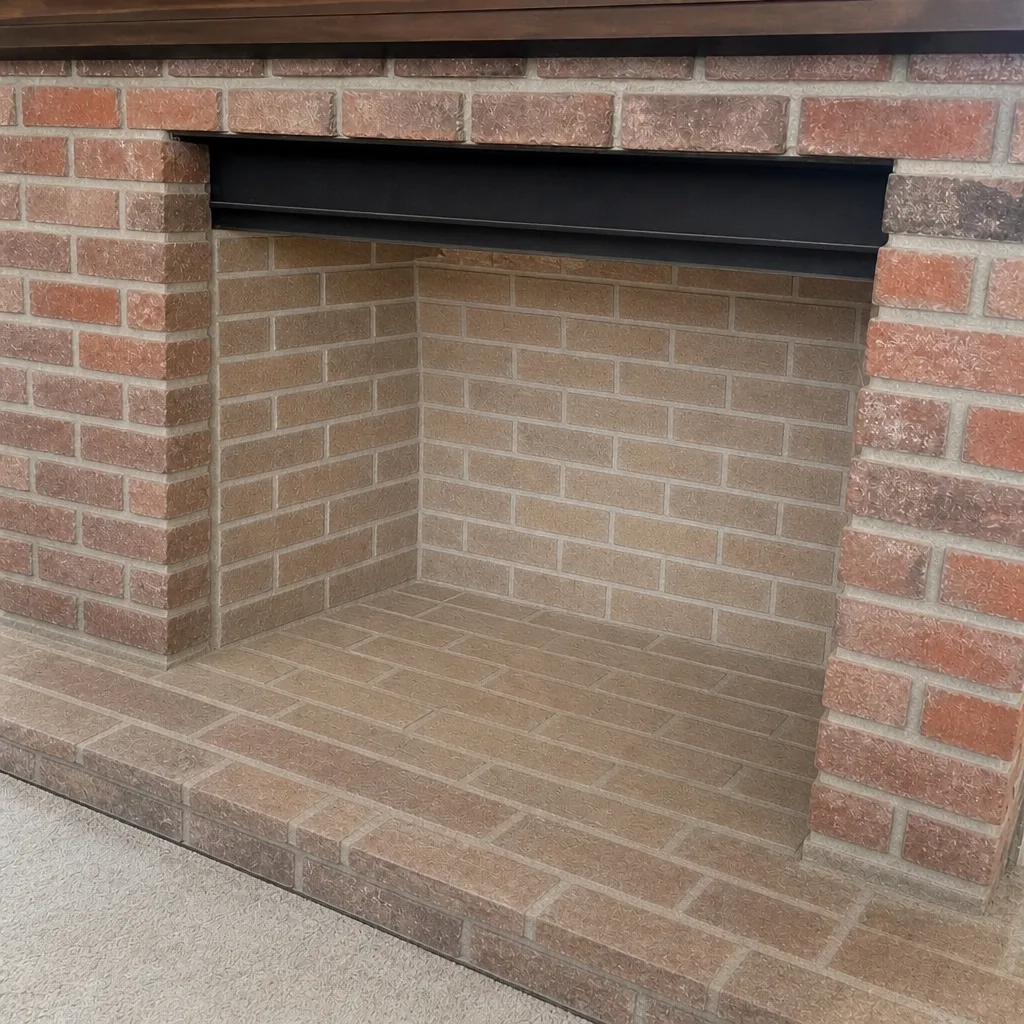 After
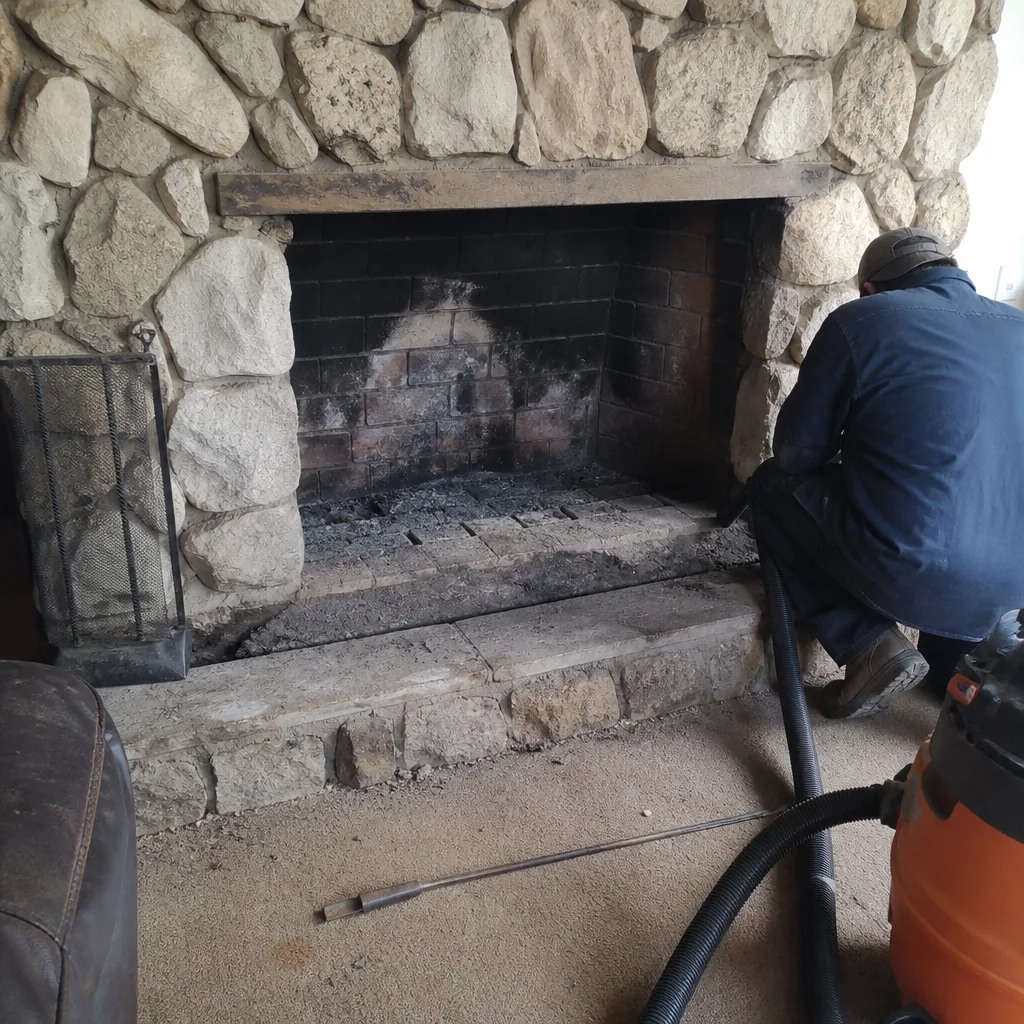 Before
 After
 Before
 After