
Last updated November 4, 2026
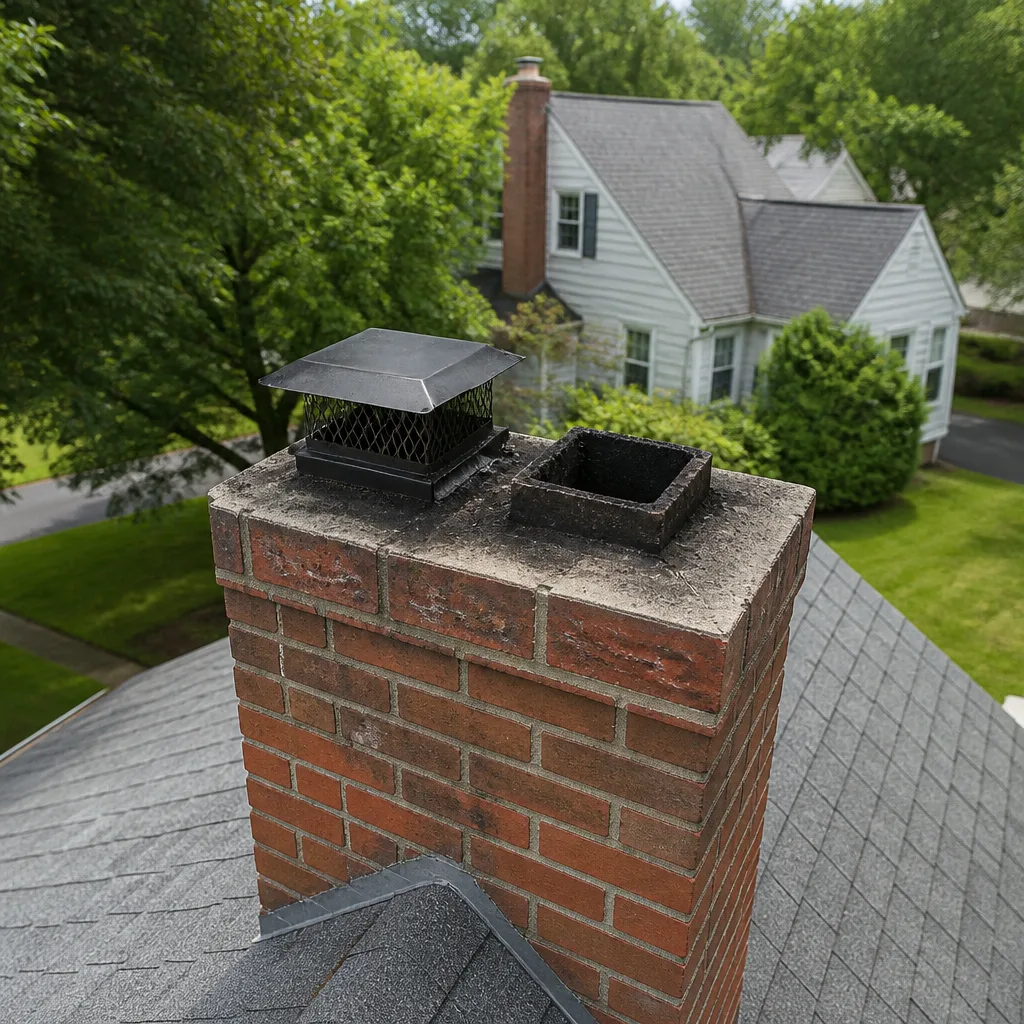 Sweep & inspection
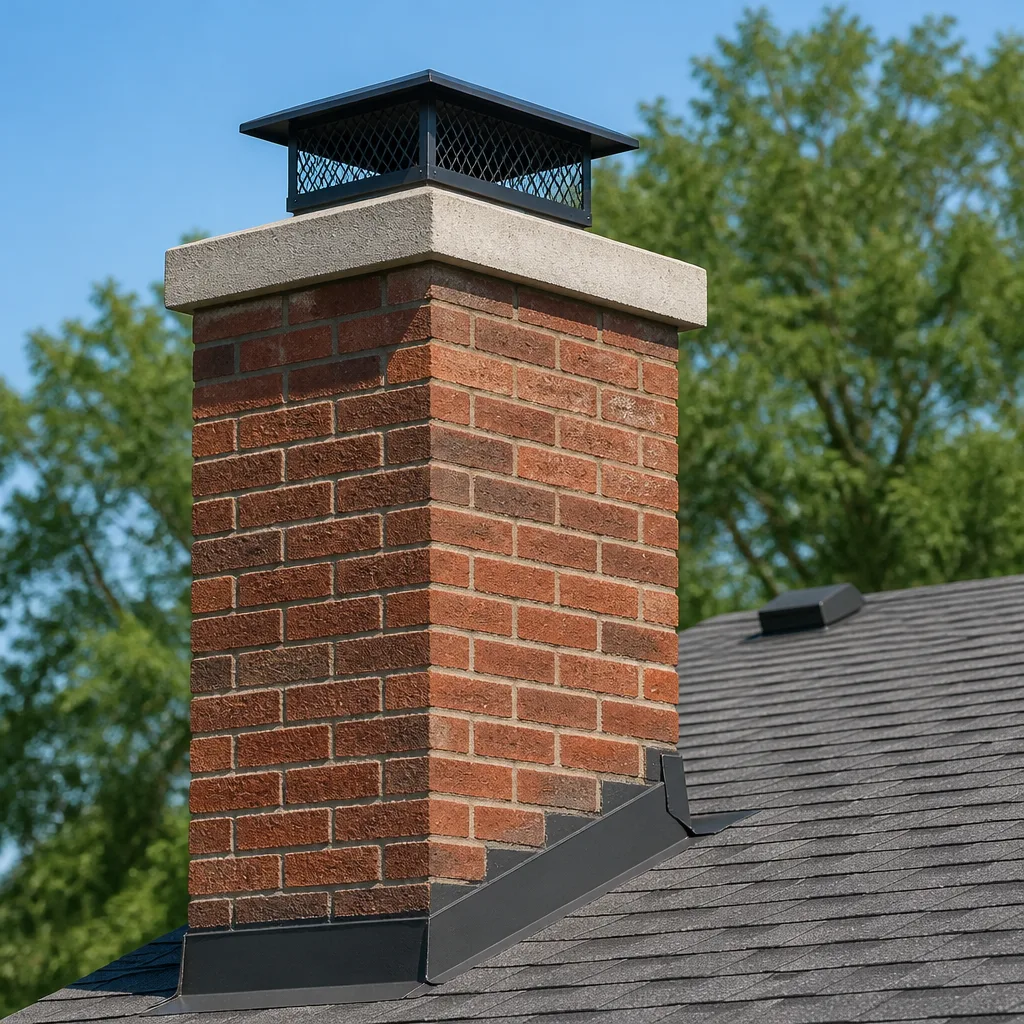 Caps & crowns
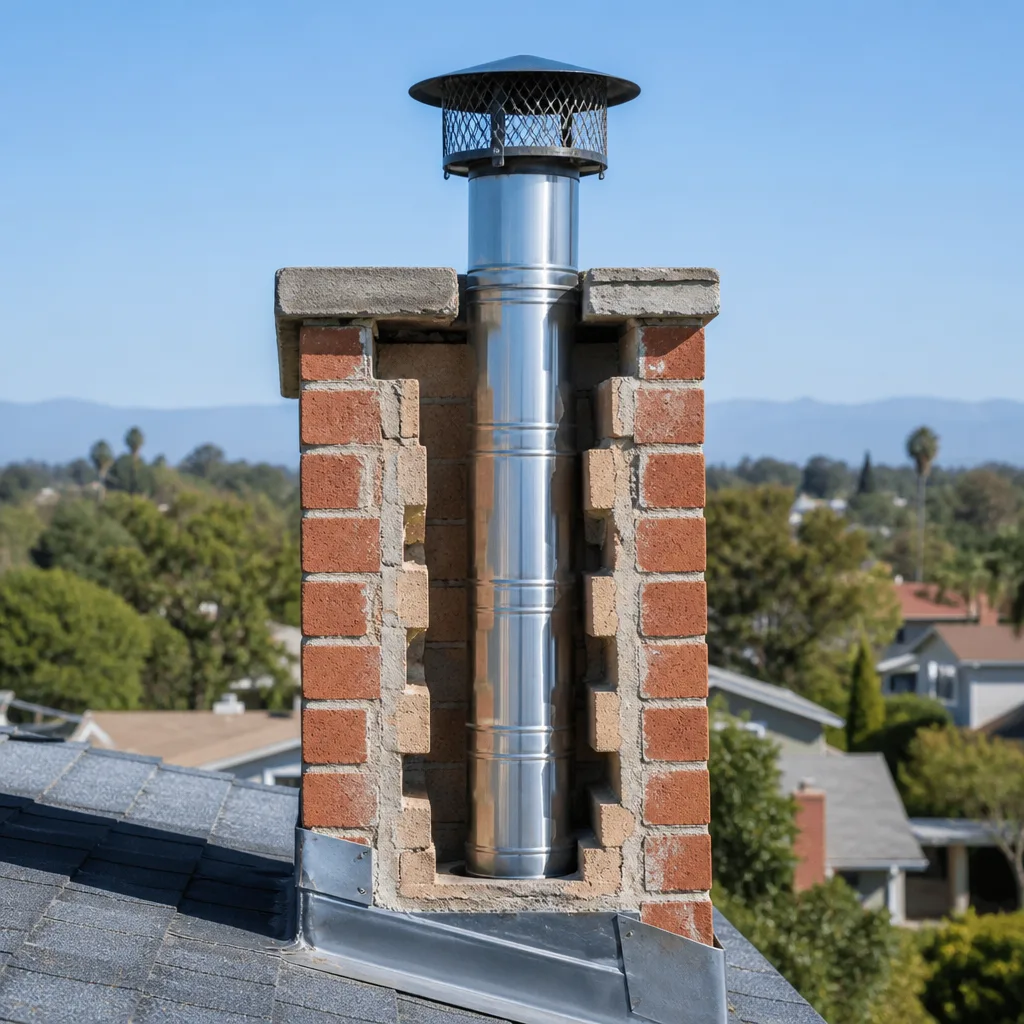 Flue relining
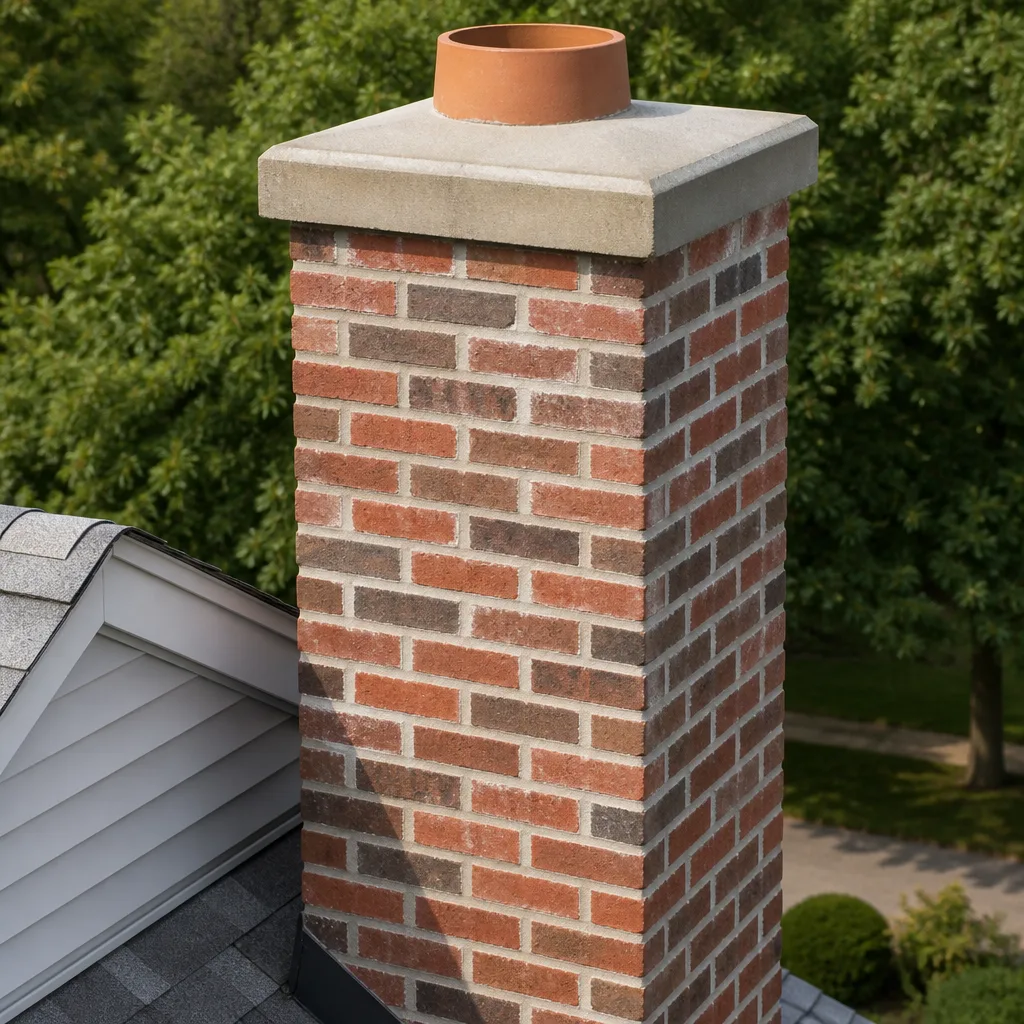 Masonry repair
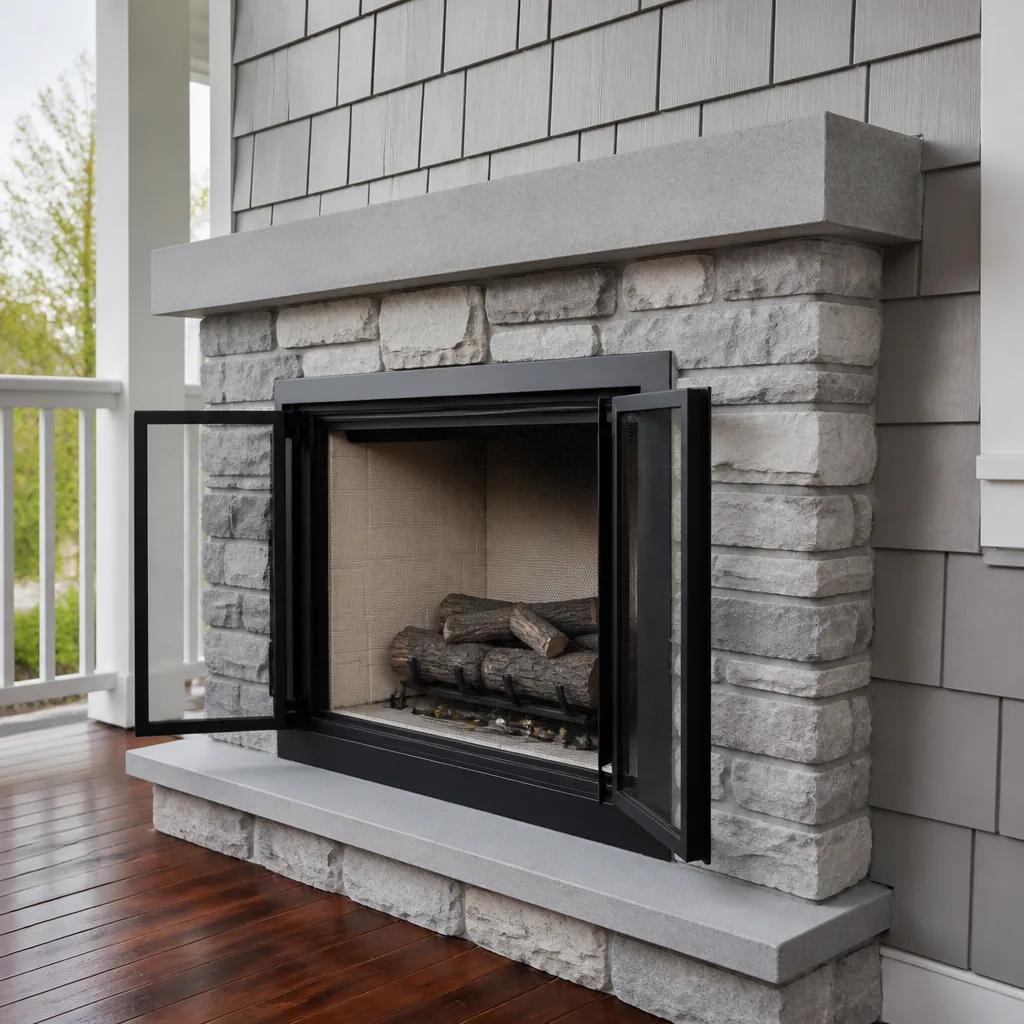 Gas fireplace service
Level 1 sweep and inspection to the NFPA 211 annual standard - flue, crown, cap, and flashing checked and photographed
Chimney sweep logs do not sweep chimneys. They loosen some creosote - which then falls where a brush and vacuum still have to collect it.
Chimney Cleaning Cost Breakdown: The Camarillo Homeowner’s Reference for 2026
Most Camarillo homeowners don’t realize that a chimney cleaning quote can range from under $100 to well over $400 for what sounds like the same job. The spread isn’t random, and it isn’t price gouging. It reflects whether the technician actually inspects the flue, whether they use a camera to see what’s inside, and whether they’re qualified to identify what they find. This guide explains exactly what drives chimney cleaning costs in Camarillo in 2026, what each service level actually includes, and how to compare written estimates without falling for either a lowball special or an unnecessary upsell.
Quick Answer
A standard chimney cleaning in Camarillo typically costs between $150 and $250 in 2026. A cleaning combined with a full camera inspection runs $250 to $400. The final price depends on flue height, creosote level, fuel type, and access, and any estimate under $100 usually means a visual-only sweep with no camera and no written inspection report.
Styles & brands we work with
- Sweep & inspection
- Caps & crowns
- Flue relining
- Masonry repair
- Gas fireplace service
Table of Contents
- What a Standard Chimney Cleaning Actually Includes
- Level 1 vs. Level 2 Inspections: Why It Matters for Cost
- What Legitimately Drives Price Variation in Camarillo
- Add-Ons Worth Paying For vs. Common Upsells
- How to Read a Written Estimate: Line Items That Should Appear
- The Cost of Deferred Cleaning: Creosote Stages in Dollar Terms
- Camera Inspections and Liner Condition: What Camarillo Homeowners Should Know
What a Standard Chimney Cleaning Actually Includes
When a Camarillo company quotes a chimney sweep, the bare minimum should include removing creosote and soot from the flue, checking the damper, and verifying the chimney cap is intact. But there’s a difference between a sweep and a sweep with an inspection. A visual-only sweep means the technician runs brushes up and down the flue, vacuums the firebox, and tells you it’s clean. They never actually look at the interior walls of the liner. That’s the service behind most sub-$100 specials, and it leaves the most important question unanswered: what condition is the flue really in?
A proper standard cleaning includes a Level 1 inspection by default. The technician examines the accessible portions of the chimney: the firebox, damper, cap, and the length of the flue visible from the top and bottom. It takes longer, requires more training to do correctly, and costs more. In Camarillo, expect $150 to $250 for a cleaning that includes a genuine Level 1 inspection.
We’ve worked with homeowners throughout Camarillo who had been paying for years for sweep-only visits and never knew their flue tiles were cracked until a camera finally showed it. The cleaning was never the problem. The problem was that nobody ever looked. A chimney sweep that doesn’t include an inspection is half a service.
Level 1 vs. Level 2 Inspections: Why It Matters for Cost
Inspection levels are defined by the National Fire Protection Association, and they’re the single biggest driver of price difference between chimney companies. Here’s what each one means in practice:
- Level 1 inspection: Included with a standard cleaning when the chimney is used the same way as before. The technician examines accessible areas only. No special tools required. This is what most routine maintenance calls for.
- Level 2 inspection: Required when a property changes hands, after a chimney fire, after an earthquake or severe storm, or when the flue’s use changes (converting from wood to gas, for example). It adds a video scan of the interior, which shows cracks, gaps, and creosote that a visual check can’t catch.
- Level 3 inspection: Reserved for cases where hidden damage is suspected and requires removing part of the chimney or building structure to access it. Rare for routine maintenance, and the most expensive option by far.
In Camarillo, a cleaning with Level 2 camera inspection typically runs $250 to $400. The camera equipment itself isn’t cheap, but the cost reflects what you learn. We see flue tiles with hairline cracks, mortar joints that have pulled away, and deteriorating stainless liners that look fine from the top opening but are thin as foil inside. None of that is visible without a camera. If you’ve just bought a home in the Camarillo Heights area or you’re switching from a wood-burning insert to a gas log set, a Level 2 inspection is the correct call, not an upsell.
What Legitimately Drives Price Variation in Camarillo
Chimney cleaning costs in Camarillo vary by a factor of three or more because the job itself varies. Here’s what legitimately moves the number on a written estimate:
- Flue height: Two-story homes in the Spanish Hills or Mission Oaks neighborhoods have longer flues than single-story ranchers near Old Town. More linear feet means more time, more rod sections, and more labor.
- Fuel type: Wood-burning fireplaces produce creosote, a tar-like residue that can require chemical treatment or rotary loops in addition to standard brushing. Gas fireplaces produce almost no creosote but still need the venting checked for blockages and moisture. Dryer vents are a separate service with separate pricing.
- Creosote stage: Stage one creosote is flaky soot. Stage two is a crunchy, granular deposit. Stage three is glazed, tarry, and hard as a candy shell. Each stage requires more aggressive removal methods, and stage three can take hours.
- Access difficulty: Steep roofs, tile roofing, or chimneys that require a taller ladder change labor cost. Camarillo’s ranch-style homes are often easier to access than the larger two-story builds in newer developments, but every roof is different.
- Liner condition: A chimney with a sound liner is straightforward to clean. A chimney with a cracked liner or missing mortar joints needs careful handling. Aggressive brushing can make existing damage worse, which is why we inspect before we sweep.
None of these factors are optional. A $79 flat rate can’t account for them, which is exactly why camera work and written reports disappear from that price point. The estimator is pricing the easiest possible scenario and hoping you fit it.
Add-Ons Worth Paying For vs. Common Upsells
Some chimney services are worth the money. Others are sold to homeowners who don’t know what questions to ask. Here’s how to tell the difference in Camarillo.
Worth paying for:
- Camera inspection: The single most valuable add-on. Without it, the technician is cleaning blind. If the estimate line says “video scan” or “camera inspection,” that’s a sign the company actually diagnosed the flue.
- Chimney cap replacement: If the cap is rusted through or missing, replacing it prevents rain, birds, and debris from entering the flue. We use Gelco chimney caps, which are made for professional installation and stand up to the wind Camarillo gets along the 101 corridor. This is a legitimate repair, not an upsell.
- HeatShield resurfacing: If the camera shows cracked flue tiles but the surrounding structure is sound, HeatShield can resurface the liner instead of requiring a full replacement. It’s a middle option most homeowners don’t know exists, and it can save thousands compared to tearing out and rebuilding.
- Dryer vent cleaning: Not a chimney add-on, but we mention it because it’s the other major fire risk in a Camarillo home. Lint-clogged dryer vents cause more house fires than chimneys do. If you’re already scheduling a sweep, the dryer vent is worth checking in the same visit.
Often not necessary:
- Chimney deodorant: A chemical spray that masks odors without removing the creosote causing them. If your chimney smells, the answer is cleaning, not fragrance.
- Preventive waterproofing: Waterproofing matters if the brick or crown shows moisture penetration. It’s not needed on every chimney every year. If a technician recommends it, ask what evidence they saw.
- “Preventive” relining: A liner replacement is indicated when the camera shows cracks, gaps, or thinning that would allow heat or gases to escape. It is not indicated just because the chimney is old. We follow a repair-first approach. Replace only when necessary.
The honest way to distinguish a real recommendation from an upsell is the evidence. If a technician can show you the camera footage and explain what it means, the recommendation has a basis. If they can’t show you anything, ask why you’re paying for it.
How to Read a Written Estimate: Line Items That Should Appear
A written estimate is the clearest tool a Camarillo homeowner has for comparing contractors fairly. Here’s what a legitimate chimney cleaning estimate should include, line by line:
- Service description: “Chimney sweep, standard, wood-burning fireplace” or similar. Vague wording like “chimney service” isn’t a description.
- Inspection level: Does the price include a Level 1 or Level 2 inspection? If the estimate doesn’t say, it doesn’t include one.
- Flue height or story count: The estimator should acknowledge the height they’re pricing. A two-story chimney costs more to clean than a one-story.
- Access notes: Steep roof? Tile roof? Special ladder needed? If the estimator saw the house, these should be noted. If they didn’t see it, the price is a guess.
- Creosote assessment or caveat: “Price assumes up to Stage 2 creosote. Stage 3 adds labor.” That’s a fair line. It tells you what’s covered.
- Any materials: If a cap or crown treatment is recommended, the specific product and brand should appear. We quote our repair work using materials from professional-trade brands like Famco, Copperfield, and DuraFlex, not hardware-store substitutes.
Red flags in a written estimate include “cleaning as needed,” “inspection included” with no level specified, or a single round number like $89 or $99 with no breakdown. A flat price with no variables means either the technician hasn’t seen the job, or the company is pricing to get in the door and make up the difference elsewhere. The written estimate sets the final price. If a company won’t put it in writing, find one that will.
The Cost of Deferred Cleaning: Creosote Stages in Dollar Terms
Skipping a chimney cleaning saves $200 in the short term and costs multiples of that when creosote advances. Here’s the progression we see in Camarillo homes:
- Stage 1 creosote: Flaky, gray-black soot. Standard brushing removes it. A cleaning at this stage costs $150 to $250 and takes under an hour. This is where you want to be.
- Stage 2 creosote: Crunchy, granular deposits that build layer on layer. Removal requires rotary loops or chemical treatment in addition to brushing. Expect $250 to $400, and the job takes longer. The liner is usually still fine at this point, but it’s close to not being fine.
- Stage 3 creosote: Glazed, tar-like coating that hardens and resists brushing. Removal is labor-intensive and can take several hours. If the liner has also cracked from a chimney fire or from moisture mixing with the creosote, you’re no longer talking about cleaning. You’re talking about liner repair or replacement, which in Camarillo can run several thousand dollars depending on the flue.
The dollar difference between a Stage 1 cleaning and a Stage 3 remediation is tenfold or more. What happens in between is a chimney fire, and a chimney fire is not the same as a fireplace fire. It burns at temperatures that crack flue tiles and can spread into the attic. The cost of prevention is the cost of a sweep. The cost of deferral is a repair bill.
Deferred cleaning also matters for real estate. If you’re selling a home in Camarillo, buyers increasingly request a Level 2 inspection before closing. A chimney with Stage 3 creosote or a cracked liner becomes a negotiation point, and the cost comes out of the sale price either way.
Camera Inspections and Liner Condition: What Camarillo Homeowners Should Know
Camera inspections are worth the extra $100 to $150 because they reveal what a visual sweep cannot. We run a camera up every flue we inspect, and what it shows determines what we recommend. Here’s what the footage tells us:
- Hairline cracks in clay tile: Common in older Camarillo homes where the chimney has been through decades of heating and cooling. Water from occasional rain gets into the cracks, soot builds up in the gaps, and the damage compounds.
- Deteriorating mortar joints: The mortar between flue tiles can erode over time, especially in wood-burning flues. Gaps in the mortar let heat and gases reach the brick structure, where they don’t belong.
- Thinning stainless liners: Gas appliance liners are steel, not clay, and they can corrode from moisture and condensation. A camera shows the thinning before it becomes a hole.
- Animal nests or blockages: Birds, rodents, and debris can obstruct a flue. In Camarillo, we see bird nesting in uncapped chimneys throughout the spring and fall.
When the camera shows damage, the repair path depends on the extent. For cracked flue tiles, Chimney Sweep Camarillo offers HeatShield resurfacing, which applies a ceramic coating inside the existing flue to seal cracks and restore smooth airflow. For chimneys where the original clay liner is beyond resurfacing, we install a DuraFlex flexible liner system, which gives the flue a new interior without demolition. We’ve done both in Camarillo and can explain the difference in a way that stays honest about cost and necessity. Repair first. Replace only when necessary.
The inspection also documents condition for the future. If you get a camera inspection in 2026 and keep the report, you’ve established a baseline. When you sell in a few years, you can show the buyer what the flue looked like and what’s changed. That’s a concrete benefit of hiring a company that writes things down.
Dryer Vent Cleaning: The Other Flue in Your Camarillo Home
Chimneys aren’t the only venting system that catches fire. The leading cause of dryer-related house fires is lint accumulation in the vent line, and it’s a risk that builds quietly. A dryer vent clogged with lint forces the dryer to run hotter, the lint sits closer to the heating element, and the result can be a fire inside the wall or ceiling chase.
In Camarillo, where many homes put dryers in interior laundry rooms with longer vent runs to the exterior, the clog risk is real. The vent path might run ten or fifteen feet through the wall before it exits. Every bend in the line catches lint. If you notice your dryer taking longer to dry clothes, the exterior vent flap not opening when the dryer runs, or a musty smell in the laundry room, the vent is telling you something.
Dryer vent cleaning is a separate service from chimney sweeping, but it belongs in the same conversation because both are flue systems. Both handle hot, particulate-laden air. Both need to be clear. We handle both with the same specialized crew, which means a single service call can address the two biggest venting risks in your home. If you can’t remember the last time the dryer vent was cleaned, it’s overdue.
What to Expect When You Book a Service in Camarillo
Here’s what the process looks like when you call for an estimate:
- You describe the chimney and the fuel type: Wood-burning fireplace, gas insert, or an open hearth. If you’ve had any recent chimney issues, mention them now.
- We schedule the visit: We answer 24/7. Fast dispatch from 7am to 7pm, Sunday through Friday. Same-day service is fine when the schedule allows.
- The technician does the work: Sweeping, inspection, and any camera work happens at the visit. If we find issues, we show you the footage and explain the options.
- You get a written report: What was cleaned, what was inspected, what we found, and what we recommend. The estimate for any recommended work is separate and written.
The free estimate covers the visit. The price is set per job by the written estimate, and nothing gets recommended without evidence you can see. If a chimney company won’t show you the camera or put the repair recommendation in writing, you’re not getting a diagnosis. You’re getting a sales pitch.
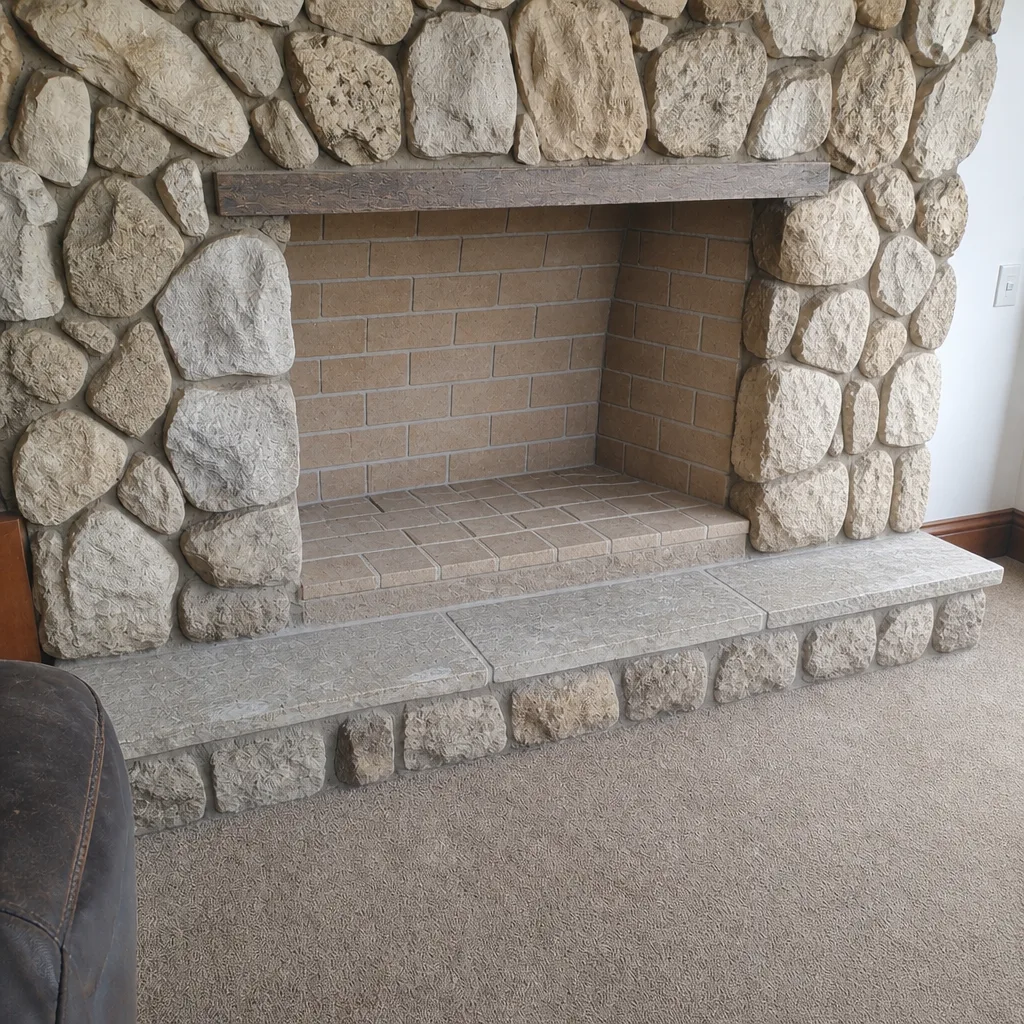
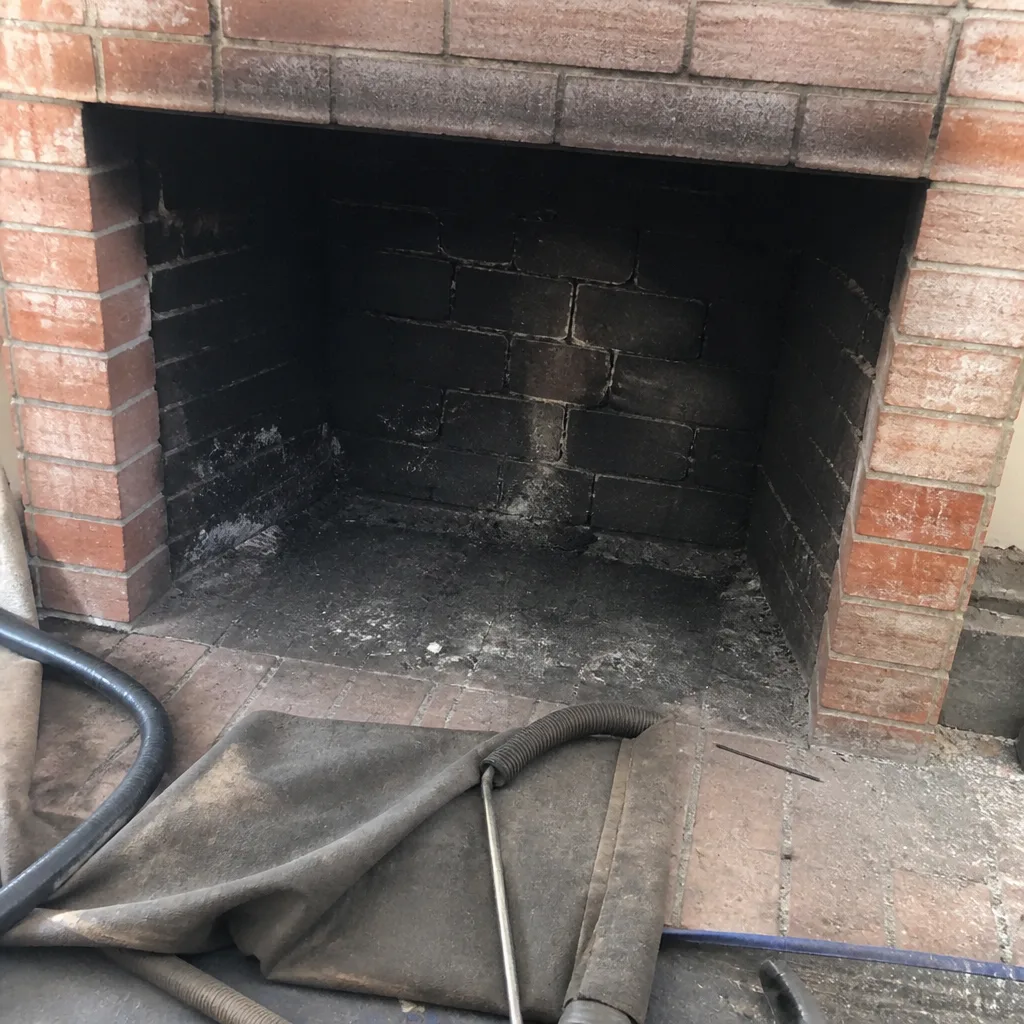
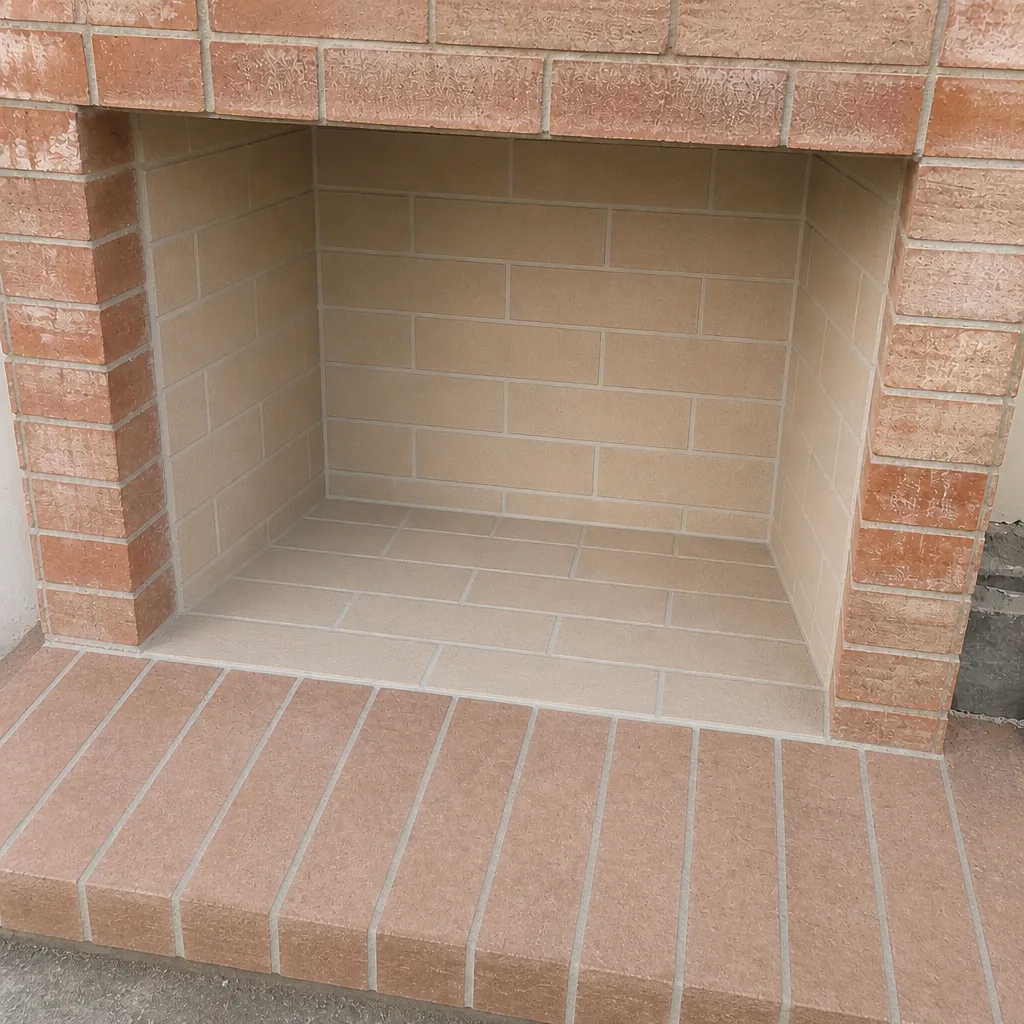
See the difference
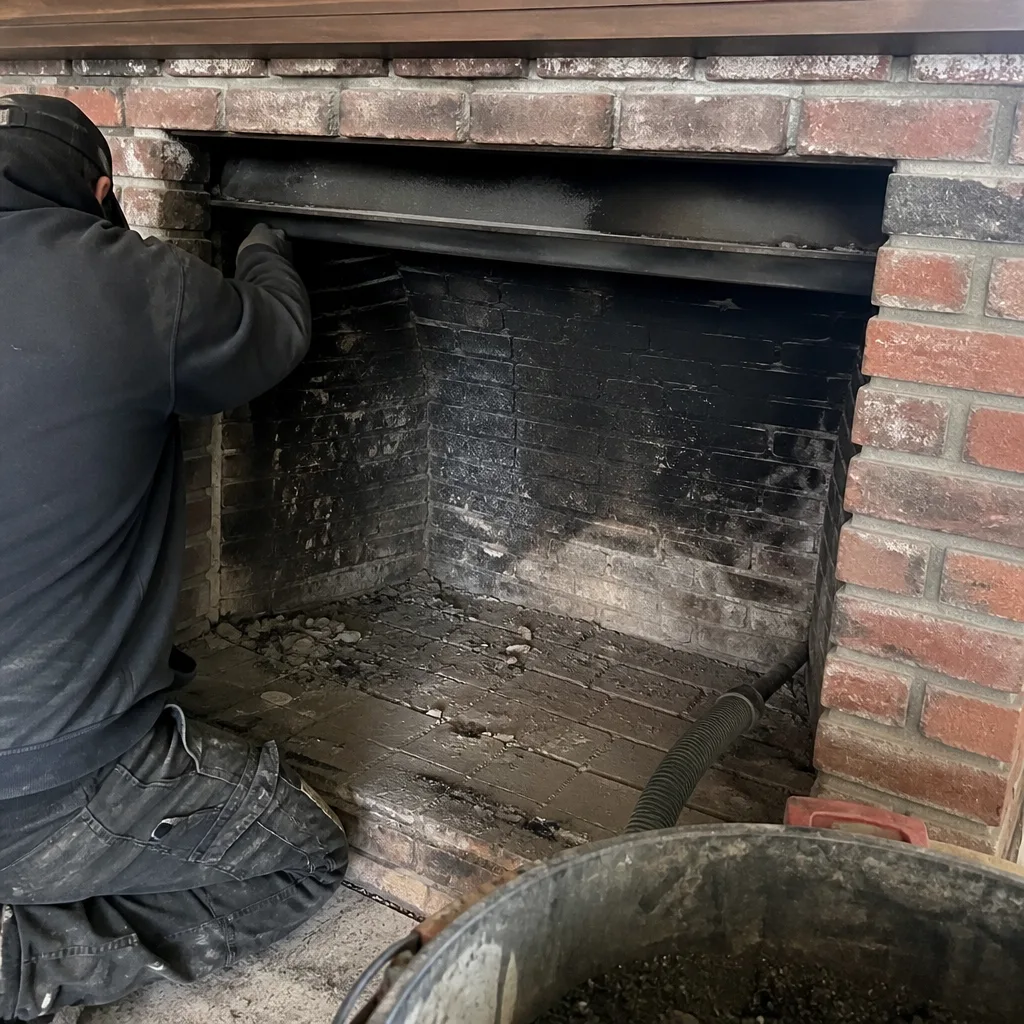 Before
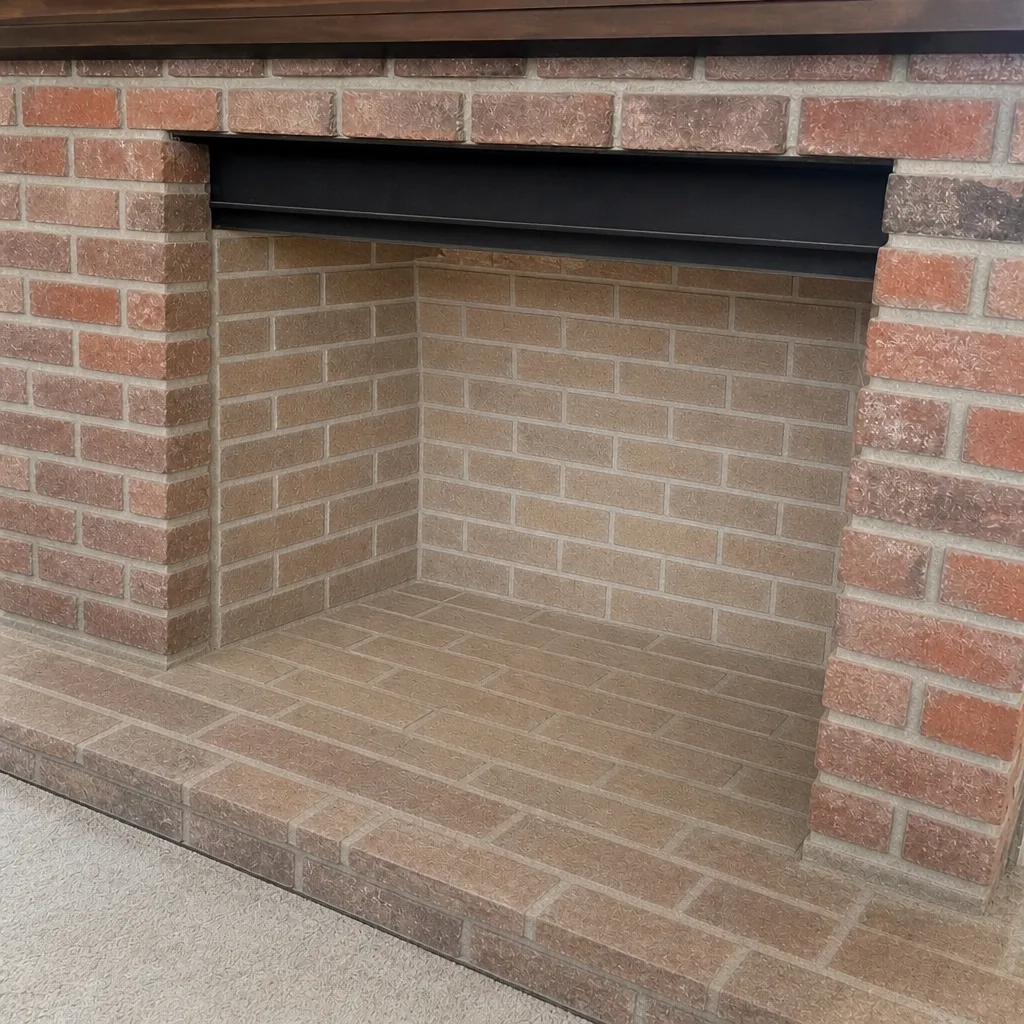 After
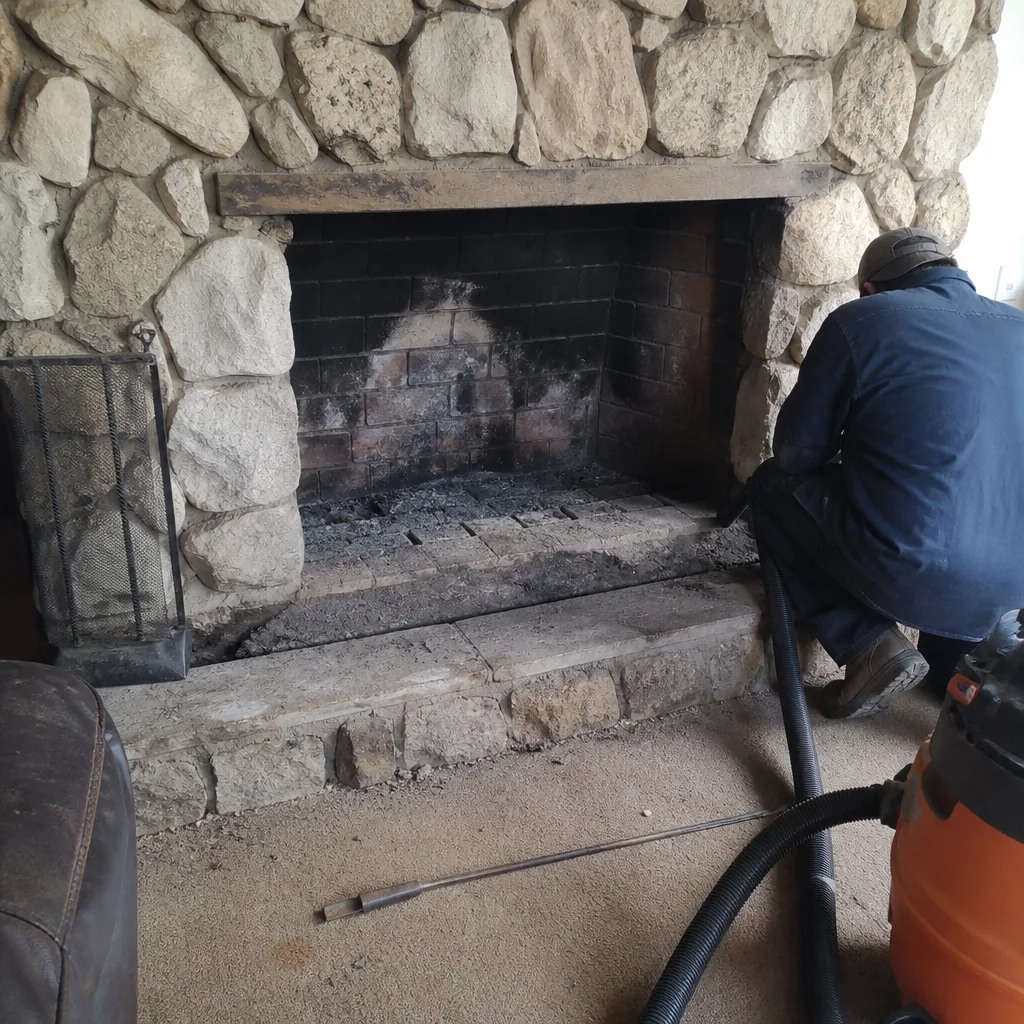 Before
 After
 Before
 After
Common Mistakes to Avoid
- Booking the lowest price without asking what’s included. A $79 sweep that includes no inspection means you’re paying to have brushes run through the flue and learning nothing about its condition. That’s not a bargain.
- Assuming a gas fireplace never needs attention. Gas produces less creosote than wood, but the venting still needs checking. Cracked or blocked vents on gas appliances create carbon monoxide risk, not just fire risk.
- Skipping the camera because “the chimney looks fine from the outside.” The damage is inside the flue, not on the chimney cap. The outside can look perfect while the liner is cracked from top to bottom.
- Letting a handyman or general contractor sweep the chimney. A chimney is a fire-containment system. A focused chimney specialist uses professional-grade materials and knows what a camera inspection is actually showing. A generalist with a brush doesn’t.
- Deferring a cleaning because you don’t use the fireplace much. Occasional use still deposits creosote. Birds and debris can enter uncapped flues even when the fireplace sits idle. The inspection matters because it catches issues while they’re small.
- Ignoring the dryer vent because it’s “not a chimney.” It’s the more common fire source. One clogged vent line in a Camarillo laundry room can be a house fire waiting for the next load. Get it cleaned.
- Accepting a verbal quote with no written estimate. A verbal number means nothing when the bill arrives. The written estimate sets the final price, and it’s also how you compare one contractor against another fairly.
When to Call a Professional
Call a chimney specialist when you can’t remember the last cleaning, when you smell smoke after the fire is out, when you see flaky or shiny black buildup inside the firebox, or when a home inspection flagged the chimney. Call after any chimney fire, even a small one. Call before buying or selling a home in Camarillo, because a Level 2 camera inspection is part of due diligence. Call when the fireplace smokes back into the room, when the damper sticks, or when the chimney cap is missing or rusted. Call when the dryer takes forever to dry clothes or the vent flap doesn’t open. Each of these is a signal that something in the flue system has changed, and each is cheaper to address before it becomes an emergency. Chimney Sweep Camarillo offers free estimates in Camarillo. Call (833) 589-9263. We answer 24/7. Fast dispatch from 7am to 7pm, Sunday through Friday.
Frequently Asked Questions
A standard chimney cleaning in Camarillo with a Level 1 inspection costs $150 to $250. A cleaning with Level 2 camera inspection runs $250 to $400. Any quote under $100 typically means a visual-only sweep with no camera and no written report. Call (833) 589-9263 for an exact quote, estimates are free.
The National Fire Protection Association recommends annual inspection and cleaning as needed. In practice, wood-burning fireplaces in Camarillo should be swept after every cord of wood burned or once a year, whichever comes first. Gas fireplaces need annual inspection but less frequent cleaning.
Creosote builds from flaky soot to glazed, tarry deposits that are much harder and more expensive to remove. If creosote reaches Stage 3 and the chimney has also taken on moisture, the liner can crack, and the cost shifts from a few hundred dollars to several thousand in repairs. The cheapest chimney cleaning is the one you don’t skip.
A visual check only shows the top and bottom of the flue. Cracks, gaps, and thinning liners occur in the middle, where no visual inspection can reach. If you’ve just bought the home, switched fuel type, or had a chimney fire, a Level 2 camera inspection is the correct standard. Call (833) 589-9263 to schedule one.
Only if you want someone to run brushes through the flue without looking at it. The sub-$100 price point can’t support camera equipment, written inspection reports, or a technician trained to identify liner damage. You’re not getting a cheaper version of the same service. You’re getting a different, thinner service.
We handle cleaning, structural repair, and dryer vent cleaning. That includes installing DuraFlex flexible liner systems, resurfacing flues with HeatShield, and replacing caps with Gelco components. We use professional-trade materials from the same suppliers CSIA-certified contractors rely on. If the camera shows damage, we can fix it without sending you to someone else.
The Bottom Line
Chimney cleaning costs in Camarillo in 2026 range from about $150 for a straightforward sweep with Level 1 inspection to $400 for a full cleaning with camera documentation. The price spread reflects real differences in inspection depth, equipment, and technician qualification, not arbitrary markup. A lowball quote usually means a visual-only service that skips the inspection entirely. A fair written estimate lists the service, the inspection level, the flue height, and any recommended materials by name. The most expensive chimney cleaning is the one you defer long enough to need a repair. The most valuable one is the one that tells you the truth about the flue. Call (833) 589-9263. We answer 24/7. Fast dispatch from 7am to 7pm, Sunday through Friday.
Written by the team at Chimney Sweep Camarillo, serving Camarillo since 2015.