
Last updated November 4, 2026
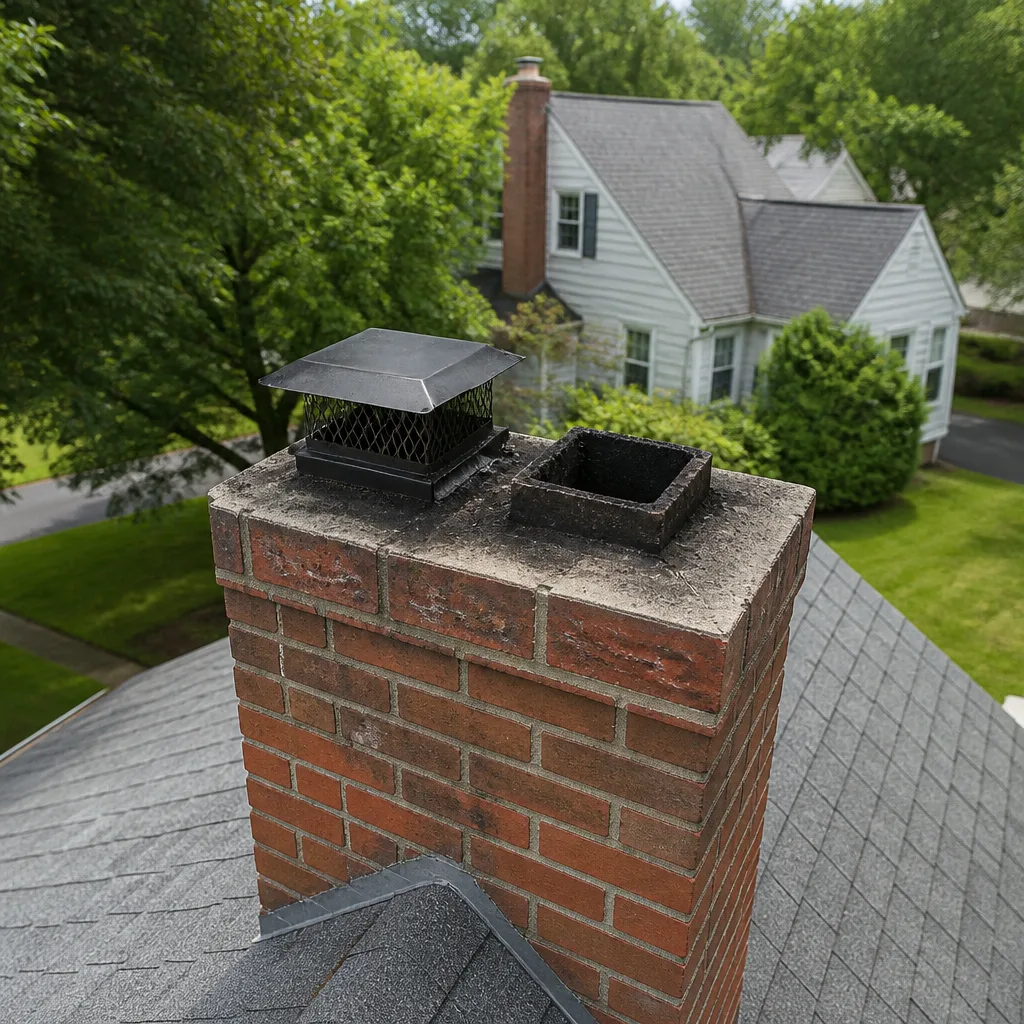 Sweep & inspection
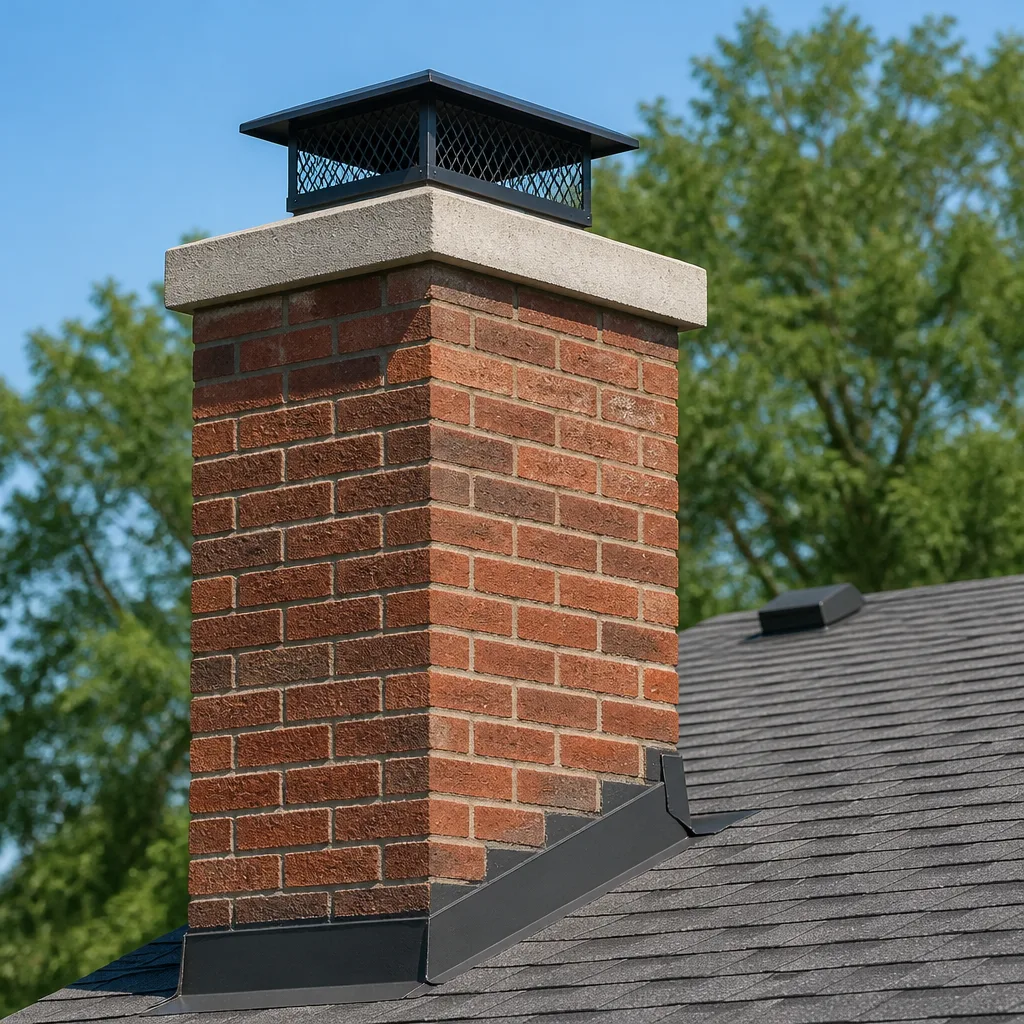 Caps & crowns
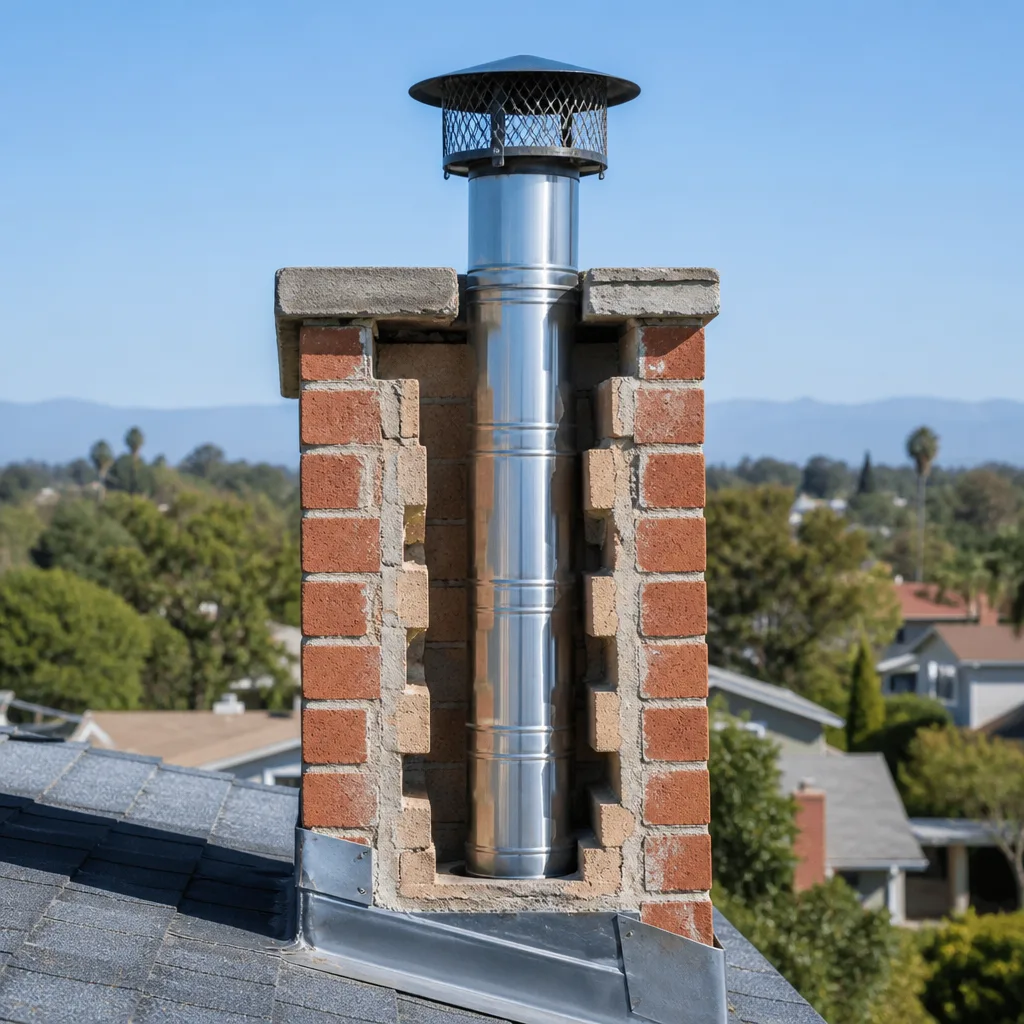 Flue relining
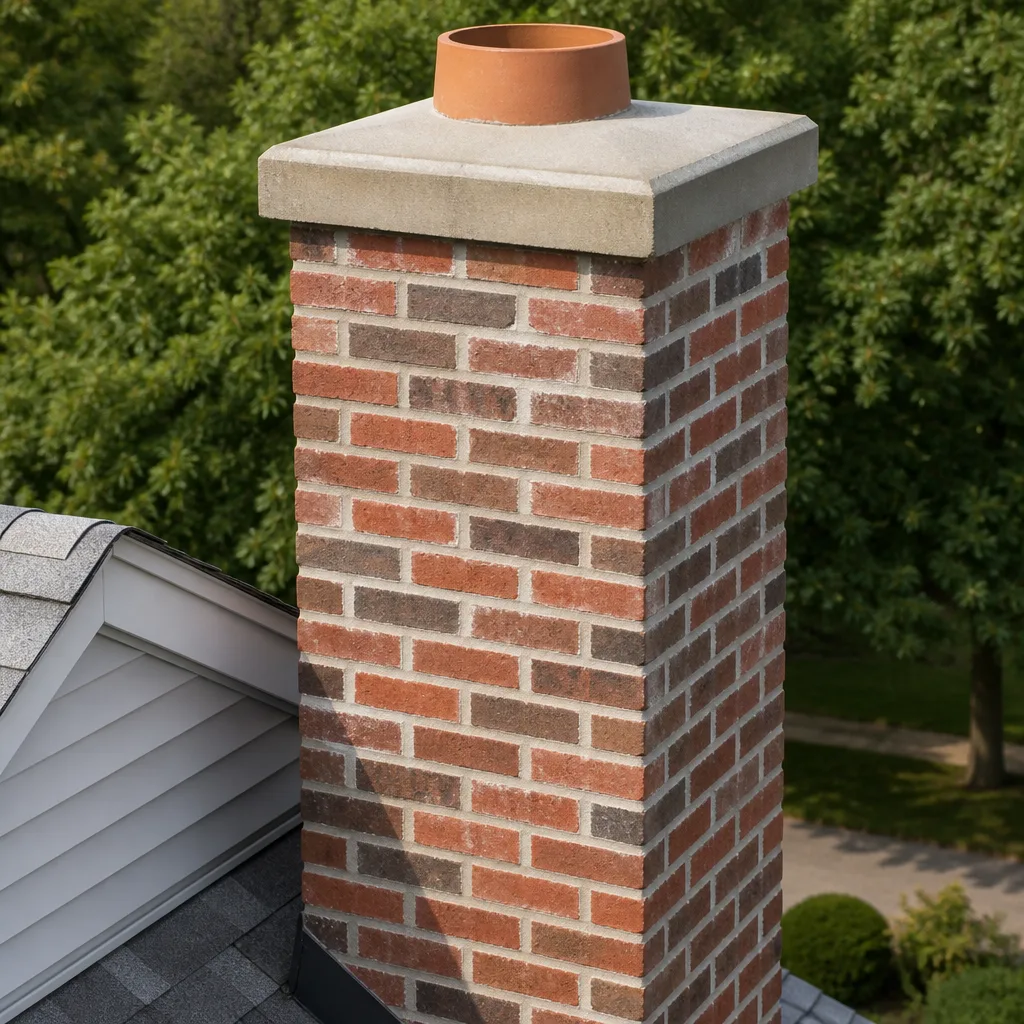 Masonry repair
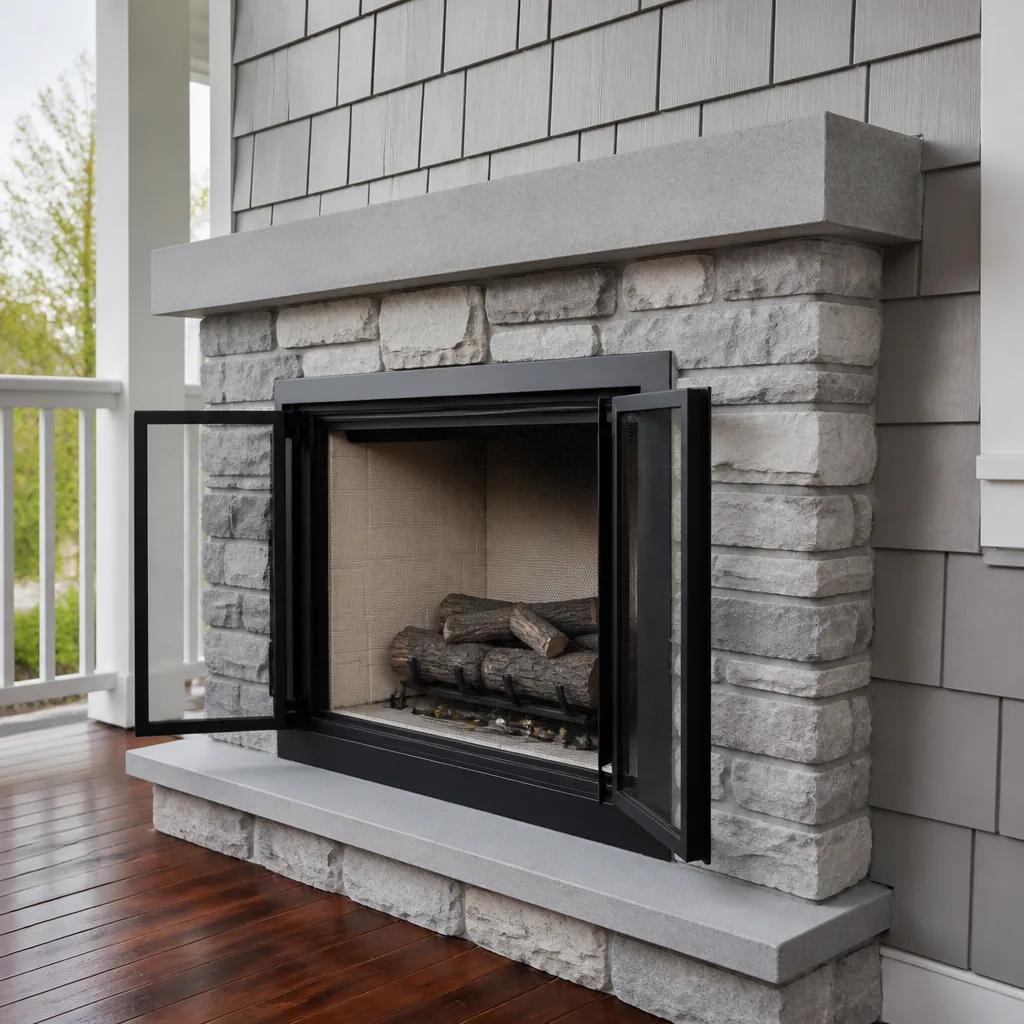 Gas fireplace service
Level 1 sweep and inspection to the NFPA 211 annual standard - flue, crown, cap, and flashing checked and photographed
Chimney sweep logs do not sweep chimneys. They loosen some creosote - which then falls where a brush and vacuum still have to collect it.
Chimney Cleaning Warning Signs: A Camarillo Homeowner’s Reference Guide
Most Camarillo homeowners assume a chimney problem announces itself with smoke pouring into the living room. The truth is less dramatic and more useful: chimneys almost always send warning signals weeks or months before anything fails outright. The problem isn’t that the signs are hidden. It’s that nobody tells you which ones mean shut it down today, which ones mean schedule a sweep within the month, and which ones are worth noting but harmless. This guide walks through exactly that, because a homeowner in Camarillo who reads a cracked flue tile before it spreads to framing is dealing with a repair, not a rebuild.
Quick Answer
The most urgent chimney warning signs in Camarillo are a strong smoke smell when the fireplace is closed, white staining on the exterior brick, and debris falling into the firebox between uses. Each points to a different failure: a cracked flue tile or failed damper seal, moisture intrusion through damaged masonry, or a deteriorating liner. If you see any of these, stop using the fireplace and call a chimney sweep for a camera inspection before the next fire.
Styles & brands we work with
- Sweep & inspection
- Caps & crowns
- Flue relining
- Masonry repair
- Gas fireplace service
Table of Contents
- The Three-Tier Warning System: Stop Now, Schedule Soon, Monitor
- Odor Diagnostics: What Different Chimney Smells Tell You
- Exterior Visual Signs You Can Check From the Ground
- Interior Signs Beyond Visible Smoke
- Gas Fireplace Warning Signs: Different and Easier to Miss
- Why Camarillo’s Climate and Housing Stock Matter
- Common Mistakes to Avoid
- When to Call a Professional
- Frequently Asked Questions
The Three-Tier Warning System: Stop Now, Schedule Soon, Monitor
Not every chimney issue is an emergency. Treating them all the same leads either to dangerous complacency or unnecessary panic. We sort warning signs into three categories. Here’s how to think about each one.
Tier 1: Stop Using the Fireplace Now
These signs indicate combustion gases may be escaping the flue or the chimney structure itself is compromised. Shut the fireplace down and do not use it again until a professional has inspected it with a camera.
- Smoke smell when the fireplace is closed and cold. This isn’t a draft problem. It’s often a cracked flue tile or a failed damper seal allowing gases to move backward into the home.
- White staining on exterior brick that’s spreading. Efflorescence means water is moving through the masonry. The moisture itself is a problem, but the real alarm is what water does to flue tiles and mortar joints over time.
- Debris falling into the firebox between uses. Pieces of flue tile, mortar chunks, or liner material in the firebox mean the chimney interior is actively deteriorating. Every additional fire accelerates the breakdown.
- Visible cracks in the chimney crown or gaps between the crown and flue. The crown is the concrete cap on top of the chimney. Once it cracks, water gets in, and everything below it degrades faster.
Tier 2: Schedule an Inspection Within 30 Days
These signs don’t require immediate shutdown, but they shouldn’t wait through another season of regular use. A month is a reasonable window to get a camera inspection scheduled.
- A faint, persistent odor that’s worse on humid days. Creosote absorbs moisture and releases smell. It’s not an emergency, but it signals buildup that needs attention.
- Damper handle resistance that’s gotten noticeably stiffer. This often correlates with creosote or soot accumulation on the damper plate itself, or early-stage rust on the mechanism.
- Smoke that drifts into the room only on windy days. Wind-driven downdrafts can reveal a flue that’s marginal on draft. It may be a cap issue, a height issue, or a buildup issue, but it’s worth a look before it gets worse.
Tier 3: Monitor and Note
These signs are worth tracking but don’t require any action on their own. Write down what you see, take a photo if possible, and mention them at your next routine sweep.
- Light black dust on the damper handle or nearby mantle. This is normal soot deposition and varies with how often you burn and what wood you use.
- A change in flame behavior that’s subtle and occasional. One lazy fire on a cold start isn’t a diagnosis of anything. A pattern over multiple burns is.
- Mild exterior staining that doesn’t grow between inspections. Some efflorescence is cosmetic and stable. What matters is change over time.
Odor Diagnostics: What Different Chimney Smells Tell You
Smell is the most underused diagnostic tool a homeowner has. Most people register “fireplace smell” as one category. We think of it as at least four distinct odor profiles, each pointing in a different direction. Here’s how to read what your nose is telling you.
Creosote Odor: Sharp, Acrid, Like a Tar Fire Waiting to Happen
Creosote deposits smell like smoke, but sharper and more chemical, especially on warm or humid days. It’s strongest when the fireplace is closed. This smell means combustion byproducts are condensing on the flue walls faster than they’re burning off. In a Camarillo home where the fireplace gets used for holiday fires and occasional cool evenings, creosote buildup can happen slowly and then announce itself all at once. The fix is a professional sweeping and a look at burning habits.
Animal Odor: Greasy, Musky, Sometimes Like Ammonia
Raccoons, birds, and rodents find chimneys before homeowners do. An animal smell that’s stronger near the firebox or damper usually means nesting materials are in the flue, the smoke chamber, or behind the damper. The problem compounds: nesting material is dry and flammable. A chimney cap with proper screening from a brand like Gelco prevents most animal intrusion, and it’s one of the most cost-effective pieces of protection a homeowner can add.
Moisture Rot Odor: Damp, Earthy, Like Wet Leaves That Never Dried
This smell comes from water entering the chimney and saturating creosote, mortar, or framing. It’s most noticeable on rainy days or right after. The water entry point is usually the crown, the flashing, or a missing cap. Left alone, moisture rot smell turns into moisture rot damage, and the repair scope grows from a crown patch to masonry reconstruction and liner replacement.
Combustion Gas Backdraft: Not an Odor, But a Physical Reaction
Combustion gas isn’t something you should rely on smelling. Long before a detectable odor, carbon monoxide can build up. What homeowners report is a general sense of stale air, headaches during fireplace use, or almost imperceptible eye irritation. The reliable check is a carbon monoxide detector placed in the same room as the fireplace. If the detector has ever gone off during a fire, that’s a Tier 1 stop-now event. The cause is a negative pressure condition or a compromised flue, and both require professional diagnosis.
Exterior Visual Signs You Can Check From the Ground
Most chimney problems show up on the exterior first. You don’t need a ladder or roof access to spot them. A slow walk around the house with your head tilted back catches more than most homeowners expect. Here are the six signs we tell Camarillo homeowners to look for.
Efflorescence: White Powder or Streaks on the Brick
Efflorescence is the white, chalky deposit left behind when water moves through masonry and evaporates on the surface. It’s a sign of moisture movement, not moisture damage by itself. But repeated cycles of water entering and leaving the brick weaken mortar and spall brick faces. In Camarillo, where winters are mild but we get real rain in a compressed winter window, chimneys that sit damp through February and March are the ones that show efflorescence first.
Spalling: Flaking, Popping, or Missing Brick Faces
Spalling is what happens when water inside a brick expands and contracts through temperature changes. The face of the brick flakes off, leaving a recess that holds more water, and the cycle accelerates. Look for thin brick shards or chips on the roof or ground near the chimney base. Spalling is never cosmetic. It’s structural degradation happening in real time.
Crown Cracking: The Concrete Cap on Top
The crown sheds water away from the flue. Once cracked, it channels water directly into the chimney chase. A crown crack of a quarter inch can let in gallons over a rainy season. You can sometimes see crown cracks from the ground, but the most reliable check is during an annual inspection when the technician is on the roof.
Cap Displacement: The Lid Is Off-Center or Loose
High-wind events in Camarillo can shift a chimney cap. A cap that’s off-center, missing a screen, or visibly loose defeats its purpose: keeping rain, animals, and wind-driven embers out. If the cap has moved, don’t climb up to fix it. Note it and include it in the next inspection request.
Rust Stains: Orange Streaks Running Down the Chimney
Rust on the exterior means a metal component is corroding. It might be the cap, the flashing, or a liner top plate. Rust streaks below the crown line usually mean water is ponding around the base of the flue and the metal components there are giving way.
Moss or Plant Growth: Especially Near the Base
Vegetation growing on or directly against a chimney means persistent moisture retention. Moss holds water against the masonry, which accelerates deterioration. It also invites root growth into already-compromised mortar joints. It’s a slow-motion problem, but it compounds.
Interior Signs Beyond Visible Smoke
The interior of the house tells a story the exterior can’t. These signs are in the room with you, and several of them are checkable in under five minutes. Here’s what to look for.
Staining Above the Firebox Opening
A dark, often grease-tinged stain on the brick or wall above the fireplace opening means warm, dirty air is exiting the firebox and cooling against the wall. It can be a draft issue, a firebox sizing issue, or a partial obstruction in the smoke chamber. It’s worth a professional look, because the same conditions that cause staining can also cause carbon monoxide spillage into the room.
Damper Handle Resistance
Go ahead and open and close the damper after the chimney is fully cold. A smooth, consistent motion is what you want. Stiffness, grinding, or a handle that won’t seat fully suggests creosote on the damper plate, rust on the pivot hardware, or warping from heat. It’s a small sign that often correlates with larger buildup behind the damper.
Debris Falls Between Uses
If you find material in the firebox and you didn’t burn anything recently, that material came from inside the chimney. Flue tile fragments, mortar sand, and liner material are the common culprits. Even a quarter cup of debris over a month is significant. It means the flue is actively shedding material, and the less-dramatic failures are the ones that happen quietly over time.
Cold Air Drafts That Weren’t There Before
A well-closed damper should block most exterior air. If the fireplace has started drafting cold air into the room, the damper seal may be failing or the chimney top may be missing a cap. It’s an energy nuisance, but it’s also a signal that the chimney’s envelope is no longer sealed the way it was.
Gas Fireplace Warning Signs: Different and Easier to Miss
Gas fireplace flues fail more quietly than wood-burning ones. There’s less visible residue, less odor, and a lot more homeowner complacency. But gas combustion produces carbon monoxide and water vapor, and both are hard on a flue. Here are the specific warning signs to watch for in Camarillo homes with gas inserts or gas logs.
Condensation Stains or Water Beads Inside the Glass
Gas fires produce significant water vapor. When the flue is drafting properly, that vapor goes up and out. When the flue is too large, too cold, or partially obstructed, the vapor condenses and runs back down. Staining or persistent clouding inside the glass is a sign the flue isn’t handling the byproducts the way it should. This moisture is mildly acidic and will eventually corrode metal flue components. A properly sized liner, often a flexible aluminum system, solves the issue without replacing the fireplace.
Yellow or Sooty Flame Tips
A properly adjusted gas log set burns blue with yellow at the very tips. A flame that’s mostly yellow, orange, or producing visible soot into the firebox may indicate incomplete combustion. That’s a gas appliance adjustment issue, but it’s also a flue issue: the burner is producing more particulates than a clean flue should have to handle. If you see soot building up inside the glass or on the logs, get it checked.
Metallic Clicking or Popping Sounds During Fire-Up and Cooldown
Some expansion noise is normal. Repeated, sharp popping that’s inconsistent with past behavior may mean a metal flue component is flexing under thermal stress. This matters more in gas systems with rigid liners or older venting than in modern flexible systems. It’s worth documenting and mentioning at the next inspection.
Rust on the Exterior Chase Cover or Vent Cap
Gas fireplace chimneys often terminate through a chase with a metal top. Rust on the chase cover or the vent cap means water is getting to components that should be dry. The water entry point may be the cap itself or the flashing at the roof line. Either way, it’s a repair before it’s a replacement.
Gas Fireplace Warning Signs Are Less Visible – So the Inspection Matters More
No one inspects their gas fireplace. Most Camarillo homeowners we talk to assume gas means clean, and clean means nothing to maintain. The gas burner adds less creosote, true. But the flue still deals with heat, vapor, and occasional wind-driven weather. The professional-grade venting components from brands like Olympia Chimney and Famco are built for the job, but they still need eyes on them every couple of years. For gas systems, an annual visual check plus a deeper inspection every three years catches most problems while they’re small.
Why Camarillo’s Climate and Housing Stock Matter
Camarillo has a specific combination of weather, wind, and housing age that shapes which chimney problems appear most often. Understanding this context helps you know which signs to prioritize.
Mild Winters Mean Different Use Patterns
Camarillo homes don’t run fireplaces for five months straight like cold-climate houses do. Instead, most homeowners burn on cool evenings, holidays, and the occasional foggy morning from about October through March. That intermittent use pattern means creosote builds up more slowly but can be more concentrated when it does form. It also means fewer thermal stress cycles per year, which is good for masonry, but more moisture cycles from winter rain, which is harder on crowns and flashing.
Inland Valley Air and Wind
Camarillo sits inland enough that summer temperatures drive real heat into masonry, and winter storms drive real rain against west-facing chimneys. Homes in the newer developments across the eastern and southern parts of the city tend to have prefabricated metal chimney systems, while older homes in the central and northern parts more often have true masonry fireplaces. Each type has a different failure profile, and a homeowner needs to know which one they have to read the warning signs correctly.
Housing Age and Original Chimney Components
Many Camarillo homes were built in the 1960s through 1980s, which means original clay flue liners and original crowns. Clay liners crack. Crowns wear out. Homeowners in houses from this era should assume the chimney needs an inspection every year, not every few years. The signs that a 10-year-old chimney can shrug off are serious warnings in a 45-year-old chimney.
How a Professional Inspection in Camarillo Typically Works
A proper chimney inspection in Camarillo includes a roof-level look at the crown, cap, and flashing, a camera run through the flue from top to bottom, and a firebox and damper check from inside. The camera matters. It’s the difference between “looks okay from here” and actual evidence. At Chimney Sweep Camarillo, we use camera inspection as the standard for every sweep, because we identify what’s wrong before we recommend what to fix. If we tell a homeowner a liner needs work, we show them the footage. Nothing gets recommended without visual proof.
Common Mistakes to Avoid
- Ignoring the smell because it’s “just how fireplaces smell.” A fireplace that smells strongly when cold has a flue problem. The smell means combustion byproducts are not going where they should go. Burning through it makes the problem worse, not better.
- Burning pine or construction scrap to save money. Some Camarillo homeowners burn whatever wood is available, including pine from property cleanup or scrap lumber. These fuels produce heavy creosote deposits and burn unpredictably hot. Use seasoned hardwood intended for fireplace use.
- Assuming gas fireplaces don’t need maintenance. Gas systems have flues too, and those flues carry moisture, heat, and combustion gases. An unmaintained gas flue can corrode, leak, or block just like a wood flue. Every gas fireplace should still get a professional inspection periodically.
- Sealing a draft with caulk or plastic from the inside. Homeowners sometimes try to seal a persistent draft from the firebox with caulk or plastic sheeting. This traps moisture against masonry and traps combustion gases inside the home. It’s a temporary annoyance fix that becomes a permanent air-quality and masonry problem.
- Doing a roof check only when something smells wrong. Exterior signs like crown cracking and spalling are visible from the ground, but they’re easy to miss if no one ever looks. Get a roof-level look at least once a year, ideally before the rainy season starts.
- Assuming a chimney sweep is only about brushing. A proper sweep in Camarillo includes the visual and camera inspection as part of the service. The brushing removes creosote; the inspection identifies the warning signs this guide covers. Skipping the inspection part defeats the purpose of having someone on the roof.
When to Call a Professional
Call a professional if you notice any Tier 1 signs: smoke smell from a closed fireplace, spreading white staining, debris in the firebox, or crown cracks you can see from the ground. Call within 30 days for persistent odors, stiff damper handles, or intermittent smoke on windy days. Call before the first burn of the season if you can’t remember when the chimney was last inspected.
Do not attempt to fix any of these issues from the ground or from a ladder. Chimney repair involves masonry work at height, flue access from the top, and combustion gas dynamics that are not visible without a camera. The risks of a wrong diagnosis are structural damage and carbon monoxide exposure, and neither is worth saving a service call.
Chimney Sweep Camarillo offers free estimates in Camarillo for sweeps, inspections, and repair work. Call (833) 589-9263. We answer 24/7. Fast dispatch from 7am to 7pm, Sunday through Friday.
Frequently Asked Questions
For a wood-burning fireplace used regularly during the cooler months, an annual sweep is the right cadence in Camarillo. Homes with gas fireplaces can go two to three years between sweeps, but should still get a visual inspection once a year. If you burn more than a couple of fires per week during the burning season, you may need a mid-season sweep. Call (833) 589-9263 and we’ll help you figure out the right schedule for your fireplace, your burning habits, and your chimney’s age.
Chimney sweeping in Camarillo is priced per job, not per hour, and the written estimate sets the final price. The estimate is free. The final cost depends on the sweep’s scope: whether it’s a basic sweep or a sweep plus camera inspection, whether there’s a cap to remove, and whether the flue requires special handling. Call (833) 589-9263 for an exact quote on your chimney.
Not every crack or gap means a full liner replacement. In many cases, a repair path exists. If the existing liner is structurally sound but the surface has deteriorated, HeatShield resurfacing can restore the flue interior without a full teardown. We’re a dryer vent cleaning and chimney repair specialist that works with professional-grade materials from recognized trade brands, and we recommend repair before replacement whenever the liner condition allows it. The camera footage from your inspection is what determines which path you qualify for.
Skipping maintenance for a few years means creosote accumulates, moisture intrudes through small cracks that widening over time, and damage compounds. The result is usually a repair that costs significantly more than the routine sweeps would have cost. In the worst case, a chimney fire occurs. In a less dramatic but still expensive case, water damage spreads to framing and drywall above the fireplace. The math on annual sweeps is straightforward: regular maintenance costs less than major repairs.
No. A sweep removes creosote and soot from the flue. An inspection evaluates the condition of the flue, the crown, the cap, the damper, the firebox, and all the components that make the chimney safe to use. At Chimney Sweep Camarillo, a camera inspection and photo report is included with our sweeps, so every customer knows what condition their chimney is in, not just that it’s clean.
You can attempt it, but there are real limitations. A hardware-store brush reaches only the flue interior that’s directly accessible. It doesn’t inspect the crown, the flashing, the cap, or the damper seal. It doesn’t show you footage of the flue interior. In our experience, most DIY chimney cleaning finds the creosote and misses everything else. A professional sweep removes debris and documents the condition of the entire system. Given the stakes, the professional version is the better use of time and money.
The Bottom Line
Chimney warning signs in Camarillo break down into three simple categories: stop using the fireplace now, schedule an inspection within 30 days, and monitor without immediate action. The most urgent signs are smoke smell from a closed fireplace, spreading efflorescence, debris in the firebox, and crown cracks. Gas systems have their own warning language, and it’s subtler than wood-burning systems. Camarillo’s mild winters and older housing stock mean interstitial moisture and aging clay liners are the recurring themes. A camera inspection is the single best diagnostic tool available, and it’s the standard of service a homeowner should expect from any professional. If you’re seeing signs, don’t guess. Call (833) 589-9263. We answer 24/7. Fast dispatch from 7am to 7pm, Sunday through Friday.
Written by the team at Chimney Sweep Camarillo, serving Camarillo since 2015.
See the difference
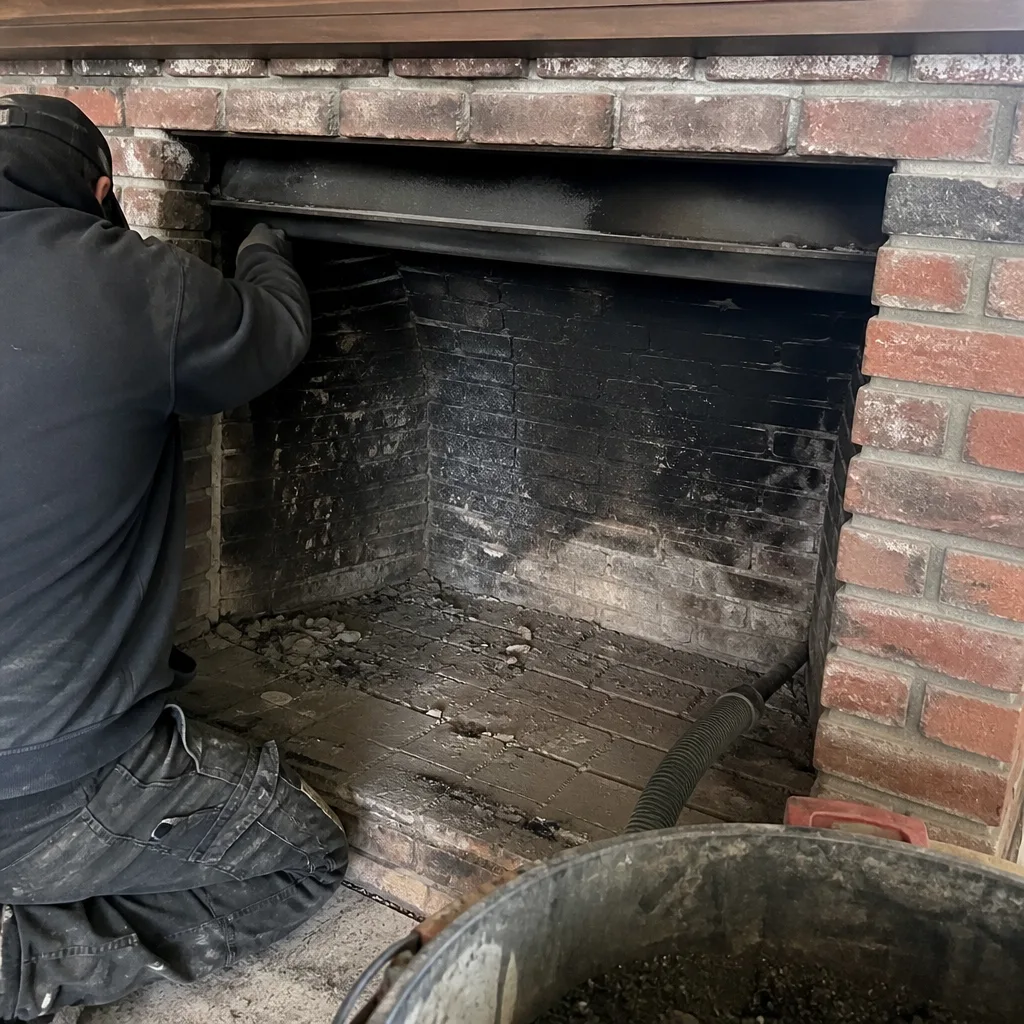 Before
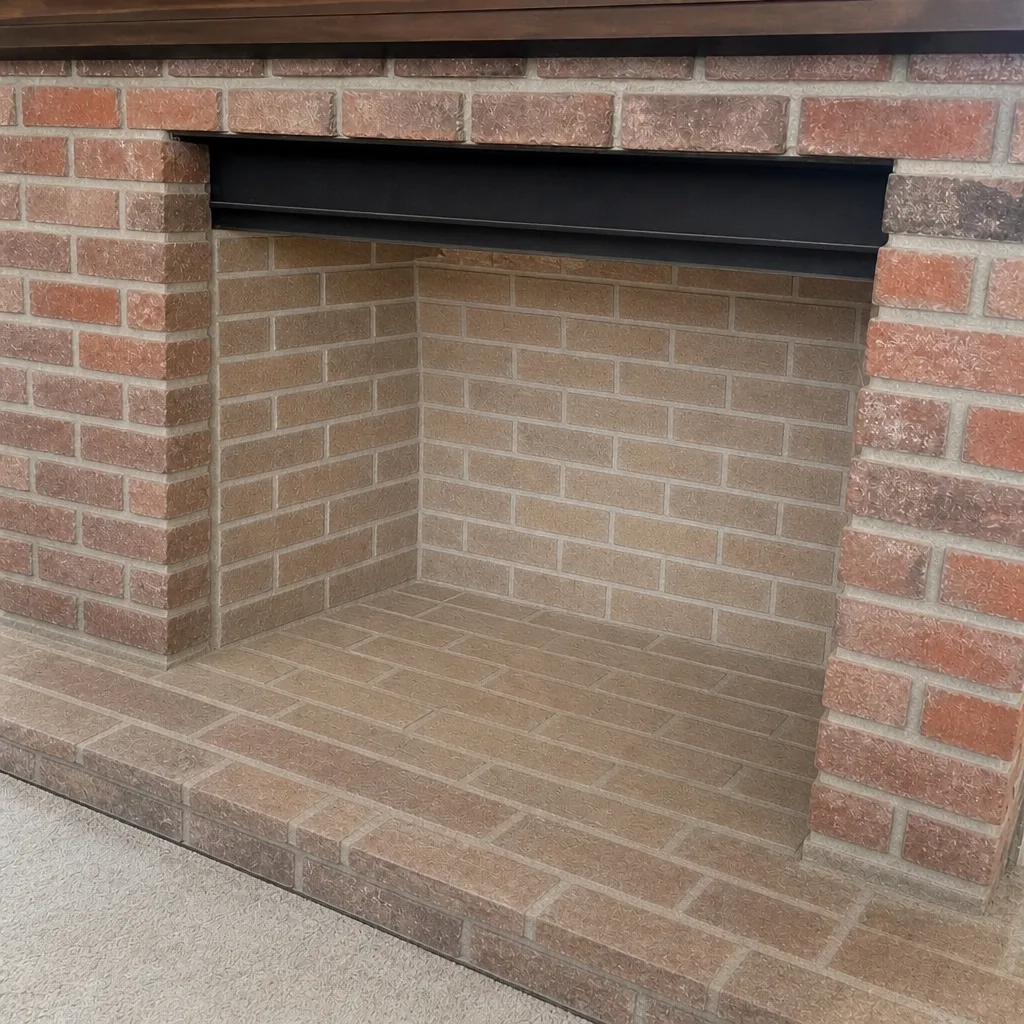 After
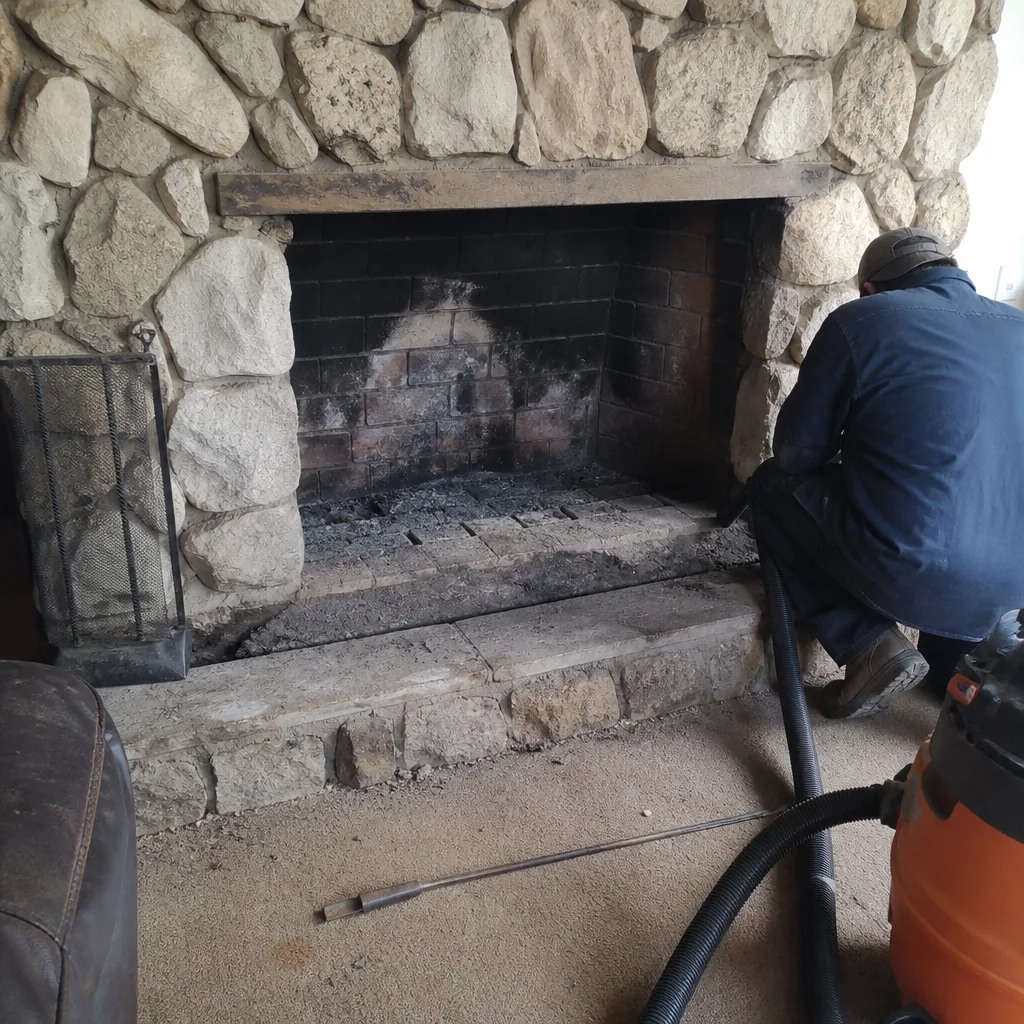 Before
 After
 Before
 After